Frequently Asked Questions
What types of chimney inspections are available?
The types of chimney inspections available are Level 1 and Level 2 inspections. Level 1 is a basic visual inspection, while Level 2 includes more detailed evaluations using advanced technology, ideal for homes undergoing changes or after incidents.
How can I schedule a chimney inspection?
Scheduling a chimney inspection is easy. Simply visit our website or call Amazing Flames Chimney Services to book your appointment at your convenience. Our team is ready to assist you in ensuring your chimney's safety and compliance.
Why is regular chimney maintenance important?
Regular chimney maintenance is important because it ensures safety, prevents dangerous chimney fires, and maintains efficient airflow. Routine inspections can identify issues early, helping to avoid costly repairs and ensuring compliance with safety standards.
What is a Level 1 chimney inspection?
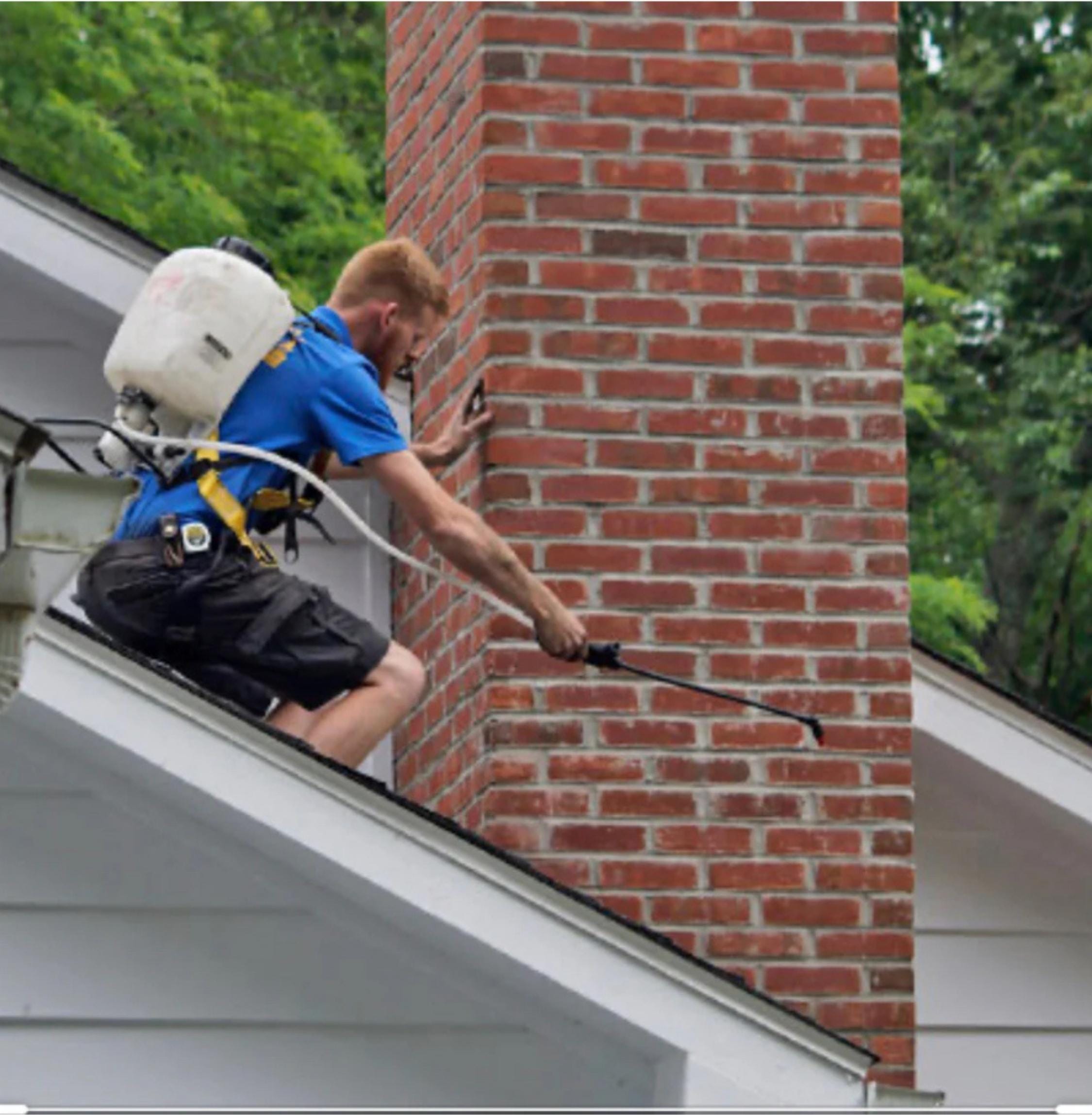
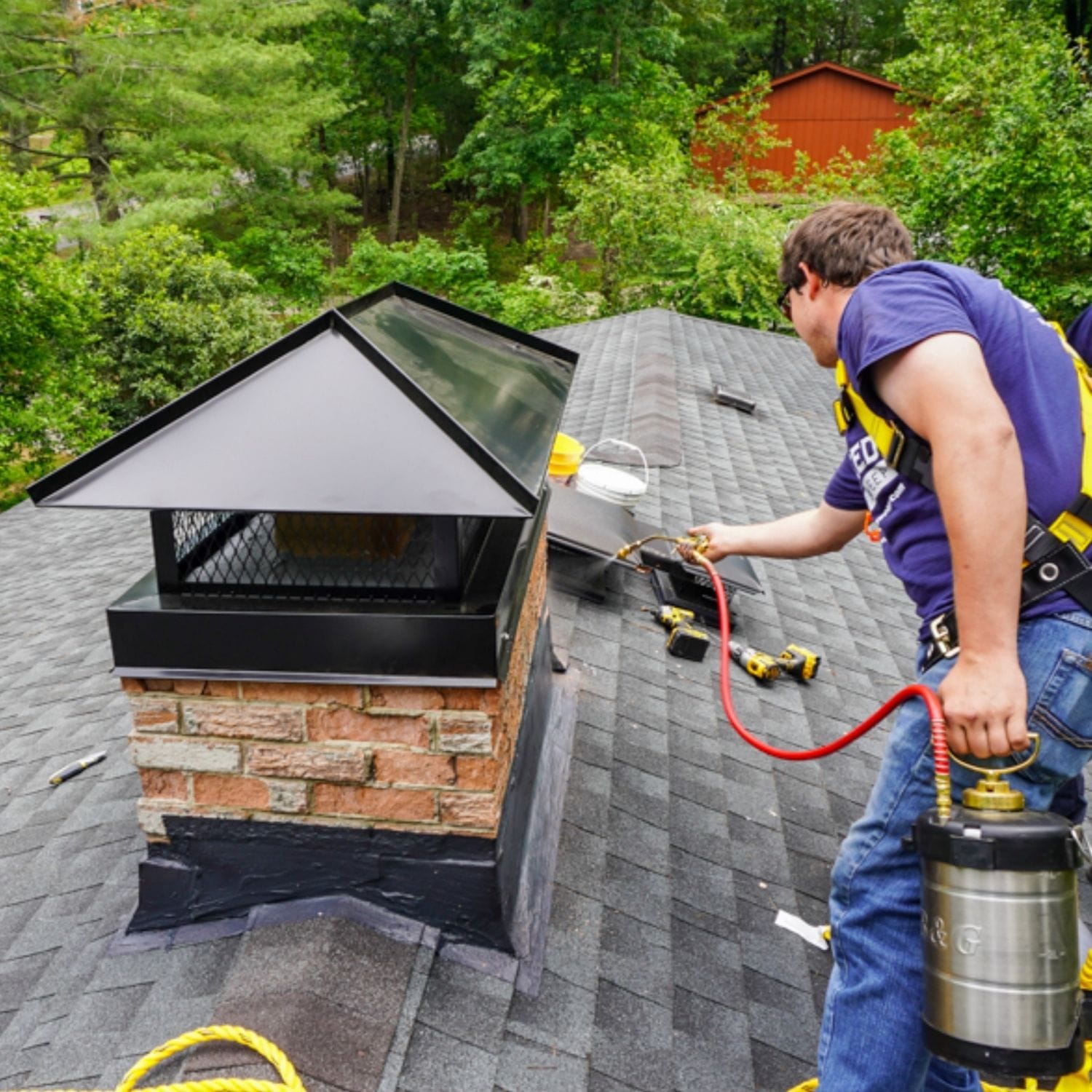
A Level 1 chimney inspection is a basic evaluation of your chimney's structure and components, ensuring they meet safety standards. This inspection is typically performed when there are no changes made to the system and includes a visual check of accessible areas.
What does a Level 2 chimney inspection include?
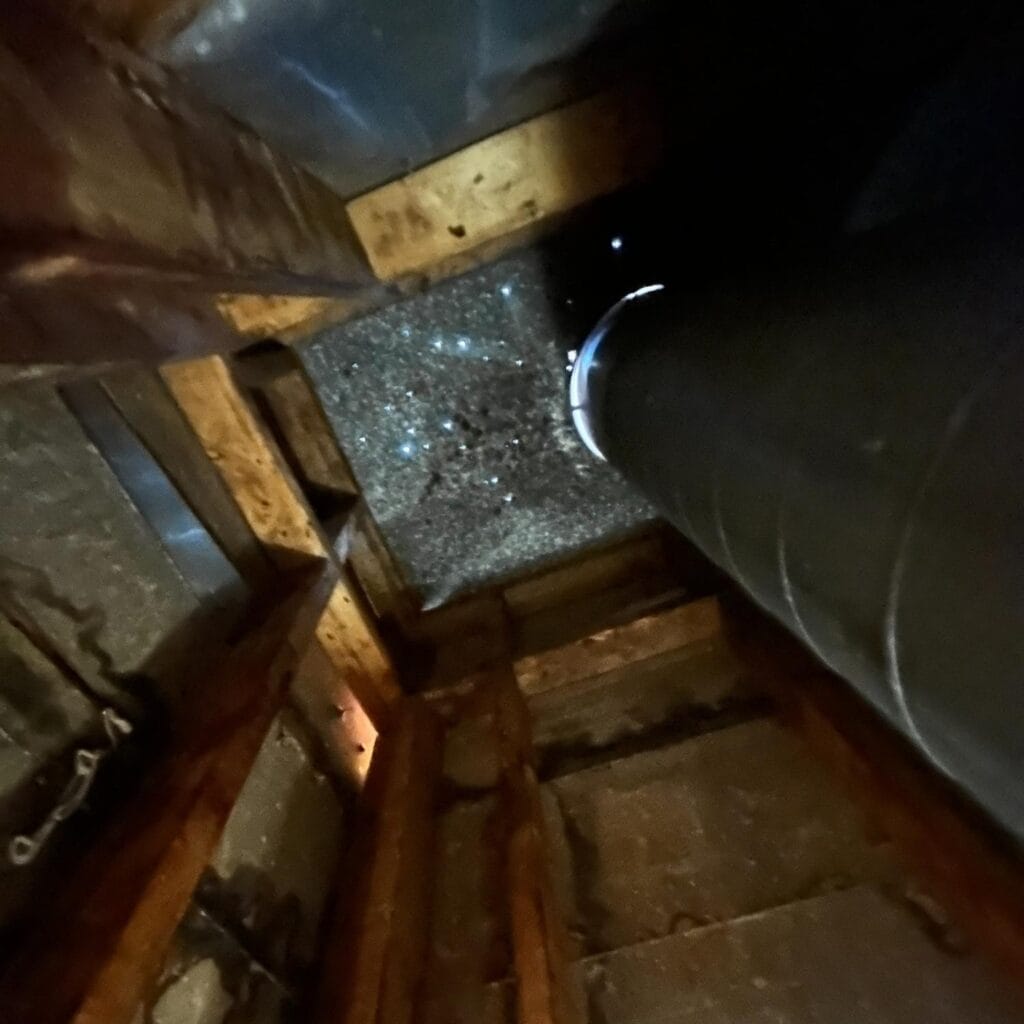
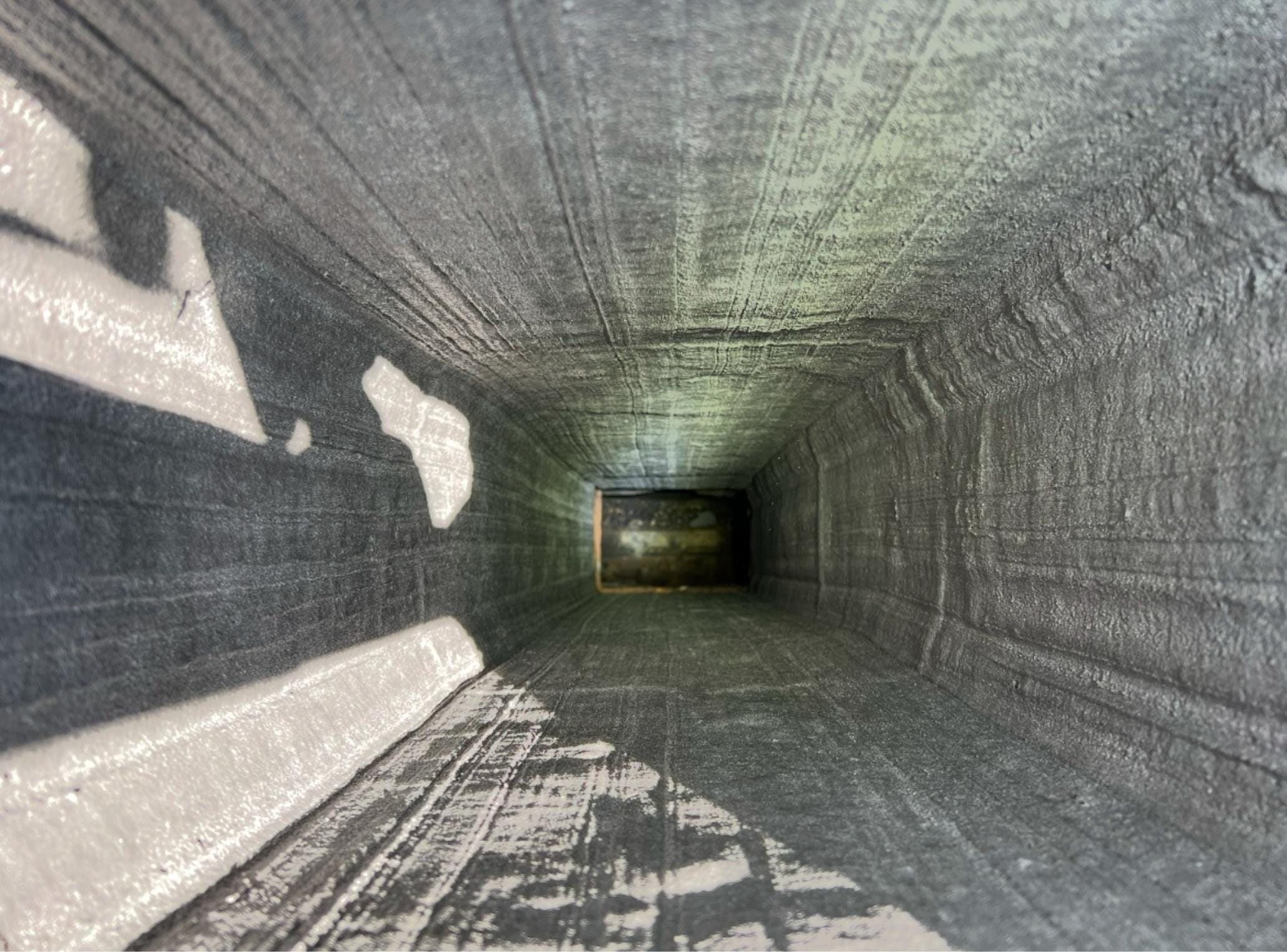
A Level 2 chimney inspection includes a detailed examination of the chimney structure, flue, and any accessible components, often using video technology to identify issues not visible during a Level 1 inspection.
How often should I schedule chimney inspections?
Chimney inspections should be scheduled at least once a year to ensure safety and compliance. Regular inspections help identify potential issues early, preventing costly repairs and ensuring your chimney operates efficiently.
What are the signs of a chimney needing inspection?
The signs of a chimney needing inspection include visible cracks, excessive soot buildup, strange odors, or smoke escaping into the home. If you notice any of these issues, it's crucial to schedule an inspection promptly for safety.
Can I perform a chimney inspection myself?
Performing a chimney inspection yourself is not recommended. Professional inspectors have the expertise and tools necessary to thoroughly evaluate your chimney's condition and ensure it meets safety standards, which is crucial for your home's safety.
What qualifications do chimney inspectors have?
Chimney inspectors typically hold certifications from recognized organizations, possess extensive training in chimney safety, and have practical experience in the field. They are knowledgeable about building codes and standards to ensure thorough inspections.
How long does a chimney inspection take?
The duration of a chimney inspection typically ranges from 30 minutes to an hour, depending on the type of inspection and the condition of the chimney.
What are the costs of chimney inspection services?
The costs of chimney inspection services vary based on the type of inspection needed. Generally, a Level 1 inspection ranges from $100 to $200, while a Level 2 inspection may cost between $200 and $400.
Are chimney inspections required by law?
Chimney inspections are not universally required by law, but they are highly recommended for safety and compliance with local building codes. Regular inspections help prevent hazards and ensure your chimney operates efficiently.
What technology is used in chimney inspections?
The technology used in chimney inspections includes advanced video cameras and thermal imaging tools. These devices allow inspectors to thoroughly evaluate the chimney's condition, identifying potential issues that may not be visible to the naked eye.
How do I prepare for a chimney inspection?
Preparing for a chimney inspection involves clearing the area around the chimney, ensuring easy access, and removing any obstructions like furniture or decorations. This helps our inspectors conduct a thorough evaluation of your chimney's condition.
What happens during a chimney inspection?
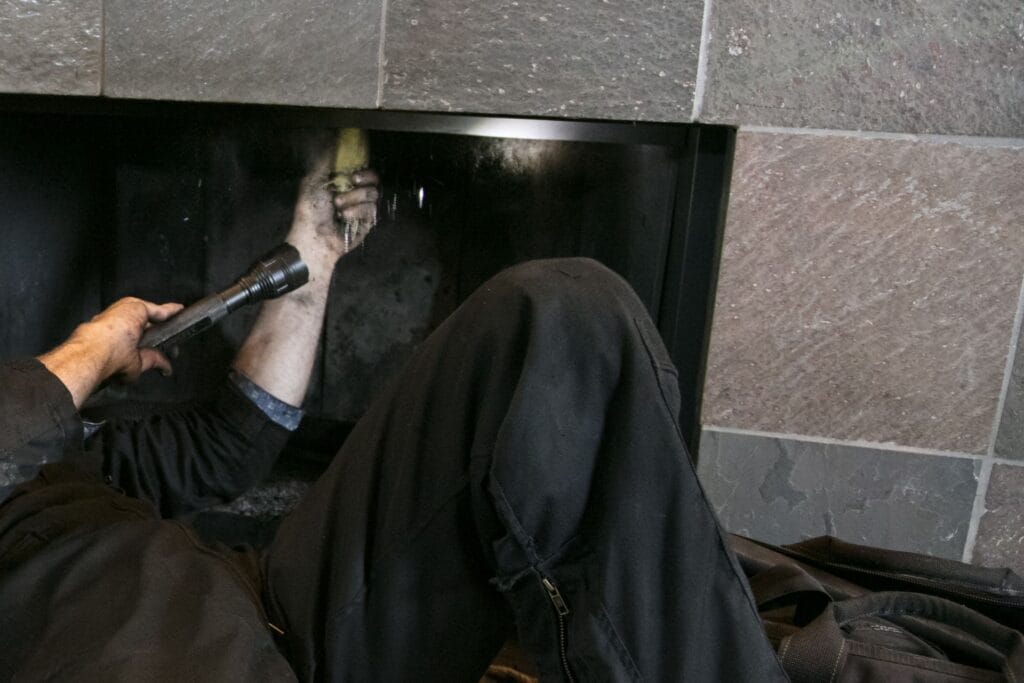
A chimney inspection involves a thorough evaluation of the chimney's structure and functionality. Inspectors assess for blockages, structural integrity, and compliance with safety standards to ensure your chimney operates safely and efficiently.
Can chimney inspections prevent fires?
Chimney inspections can indeed prevent fires. By identifying blockages, creosote buildup, and structural issues, regular inspections ensure your chimney operates safely and efficiently, significantly reducing the risk of chimney fires.
What should I expect after a chimney inspection?
After a chimney inspection, you can expect a detailed report outlining the condition of your chimney, any necessary repairs, and recommendations for maintenance to ensure safety and compliance with industry standards.
How do I find a certified chimney inspector?
Finding a certified chimney inspector involves checking for certifications from recognized organizations, such as the Chimney Safety Institute of America (CSIA). You can also ask for recommendations from local homeowners or search online for qualified professionals in your area.
What are common chimney issues found during inspections?
Common chimney issues found during inspections include creosote buildup, structural damage, blockages from debris or animal nests, and deterioration of flue liners. Addressing these problems ensures safe and efficient chimney operation.
How can I maintain my chimney between inspections?
Maintaining your chimney between inspections is essential for safety and efficiency. Regularly check for debris, clean the flue, and ensure the damper operates smoothly to prevent blockages and hazards.
What is the difference between inspections and cleaning?
The difference between inspections and cleaning is that inspections involve evaluating the condition and safety of your chimney, while cleaning focuses on removing soot and debris to ensure proper airflow and function.
Are there specific regulations for chimney inspections in Georgia?
Specific regulations for chimney inspections in Georgia require compliance with safety standards outlined by the National Fire Protection Association (NFPA). Regular inspections ensure chimneys are safe and operational, protecting homeowners from potential hazards.
How can I ensure my chimney is safe?
Ensuring your chimney is safe involves scheduling regular inspections with a qualified professional, like Amazing Flames Chimney Services, who can assess its condition and identify any potential hazards or maintenance needs.
What is the importance of chimney inspection records?
The importance of chimney inspection records lies in their role in documenting the safety and condition of your chimney over time. These records help track maintenance, ensure compliance with safety standards, and provide valuable information for future inspections or repairs.
How do weather conditions affect chimney inspections?
Weather conditions can significantly impact chimney inspections. Rain, snow, or extreme temperatures may hinder visibility and accessibility, making it challenging to conduct thorough evaluations and potentially delaying necessary maintenance or repairs.
What should I do if my chimney fails inspection?
If your chimney fails inspection, you should promptly address the identified issues by scheduling necessary repairs or maintenance with a qualified professional. This ensures your chimney is safe and compliant for use.
Can I schedule a chimney inspection online?
You can schedule a chimney inspection online with Amazing Flames Chimney Services. Simply visit our website and follow the easy steps to book your appointment at your convenience.
What areas does Amazing Flames serve for inspections?
Amazing Flames Chimney Services serves homeowners throughout Metro Atlanta for chimney inspections, ensuring safety and compliance across the region.
How do I know if my chimney needs repair?
Signs that your chimney needs repair include visible cracks, excessive soot buildup, or water leaks. If you notice any of these issues, it's essential to schedule a professional inspection to ensure safety and proper function.
What are the benefits of regular chimney inspections?
The benefits of regular chimney inspections are significant for ensuring safety and efficiency. They help identify potential hazards, prevent chimney fires, and ensure compliance with safety standards, ultimately protecting your home and family.