Frequently Asked Questions
What are the signs that my chimney cap needs replacement?
The signs that your chimney cap needs replacement include visible cracks or damage, rust, water leaks inside your fireplace, or the presence of animals in your chimney. If you notice any of these issues, it's time to consider a replacement.
How often should I replace my chimney cap?
The frequency of replacing your chimney cap depends on its condition and material, but generally, it should be inspected every few years and replaced every 15-30 years to prevent leaks and animal intrusion. Regular maintenance is key.
What are the benefits of having a chimney cap?
The benefits of having a chimney cap include preventing water damage, blocking animal entry, and reducing debris accumulation in the chimney. This essential component helps maintain the integrity of your chimney and enhances the safety of your home.
Can I install a chimney cap myself?
Installing a chimney cap yourself is possible, but it requires proper tools and safety precautions. If you're not experienced, it's best to hire a professional to ensure it's done correctly and to avoid potential hazards.
What materials are best for chimney caps?
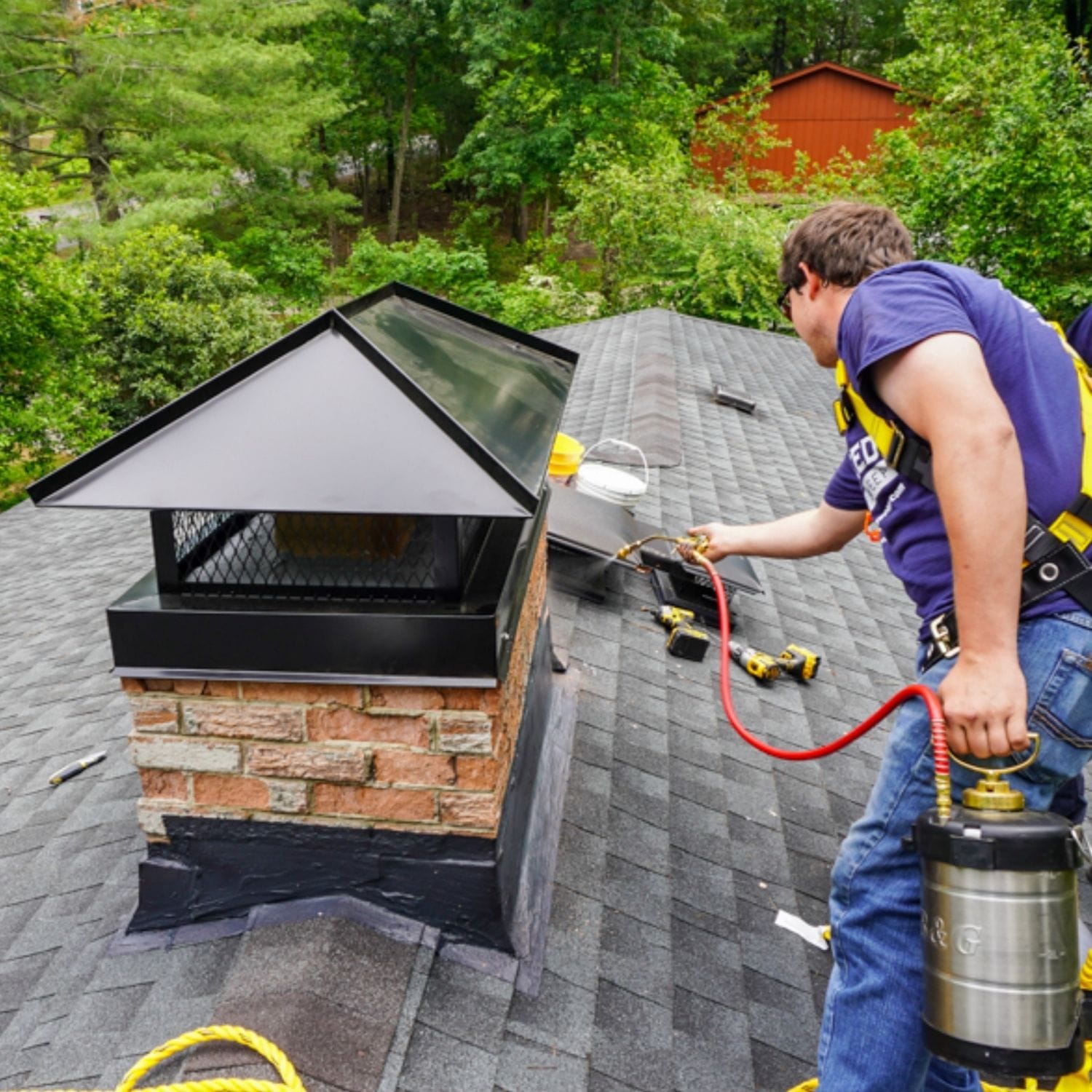
The best materials for chimney caps include stainless steel, copper, and aluminum. These materials are durable, resistant to rust and corrosion, and effectively protect against water damage and animal intrusion.
How do I choose the right chimney cap?
Choosing the right chimney cap involves considering the size, material, and design that best fits your chimney and home. Ensure it provides adequate protection against water, animals, and debris while allowing proper ventilation.
What is the average cost of chimney cap replacement?
The average cost of chimney cap replacement typically ranges from $150 to $500, depending on factors such as materials used and the complexity of the installation. It's best to consult with a professional for an accurate estimate tailored to your specific needs.
How can I tell if my chimney cap is damaged?
The signs of a damaged chimney cap include visible cracks, rust, or deterioration, as well as water leaks inside the chimney or signs of animal intrusion. Regular inspections can help identify these issues early.
What happens if I dont replace my chimney cap?
Neglecting to replace your chimney cap can lead to significant issues, including water damage to your chimney and home, increased risk of animal intrusion, and potential structural problems. Regular maintenance is essential to prevent these complications.
Are there different types of chimney caps available?
There are various types of chimney caps available, including stainless steel, copper, and galvanized options, each designed to prevent water damage, animal intrusion, and debris buildup while enhancing the durability and functionality of your chimney.
How does a chimney cap prevent water damage?
A chimney cap prevents water damage by covering the top of the chimney, directing rain away from the flue, and preventing moisture from entering. This helps protect the chimney structure and the interior of your home from potential water-related issues.
What maintenance is required for chimney caps?
The maintenance required for chimney caps includes regular inspections for damage, cleaning debris, and ensuring proper drainage. This helps prevent leaks, animal entry, and other issues that can compromise your chimney's integrity.
Can a chimney cap help with draft issues?
Chimney caps can help with draft issues by preventing downdrafts caused by wind and ensuring proper airflow. They also protect against debris and animals, which can obstruct the chimney and disrupt ventilation.
How long does a chimney cap typically last?
Chimney caps typically last between 15 to 30 years, depending on the material and environmental conditions. Regular maintenance can extend their lifespan and ensure they effectively protect your chimney from water damage and animal intrusion.
What should I look for in a chimney cap?
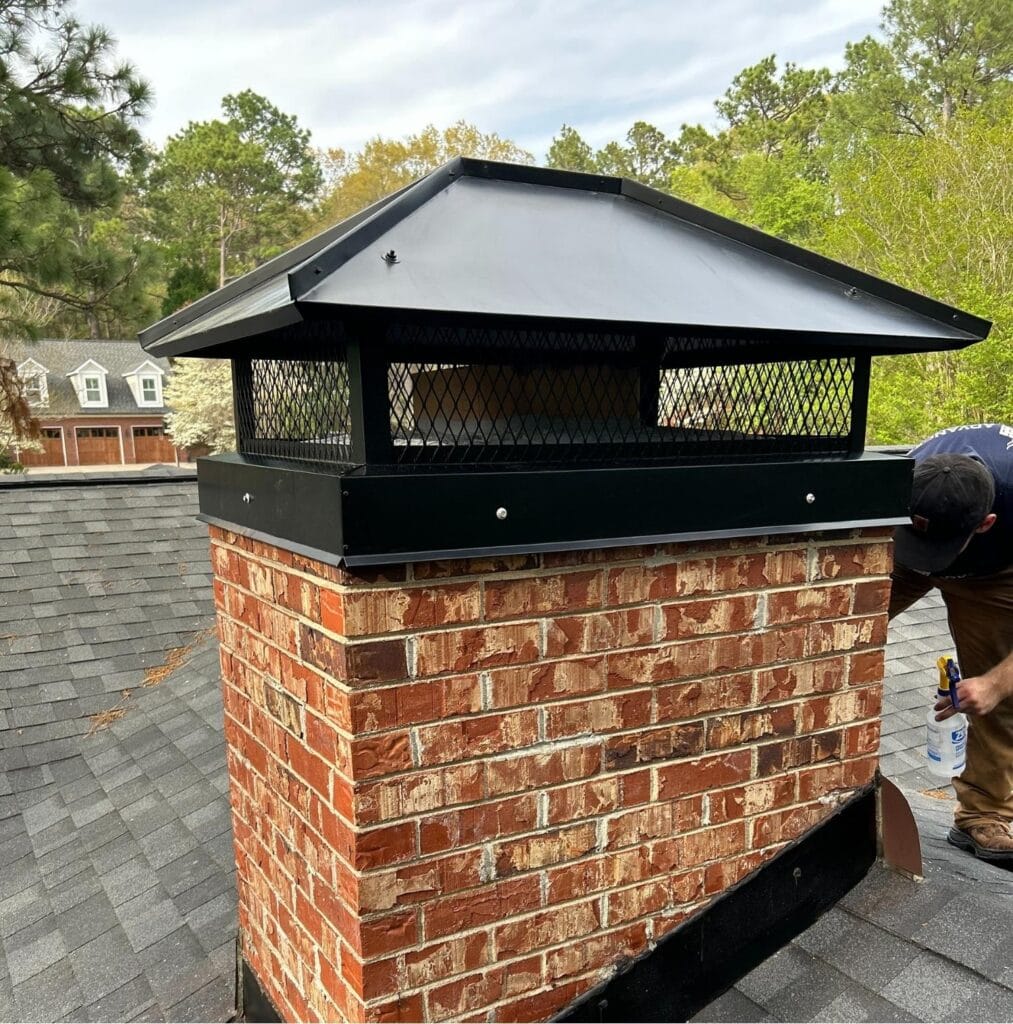
When considering a chimney cap, look for durable materials, proper sizing for your chimney, effective water drainage features, and a design that prevents animal intrusion. These factors ensure optimal protection and longevity for your chimney.
Are chimney caps necessary for all chimneys?
Chimney caps are essential for all chimneys. They prevent water damage, block animal entry, and protect against debris, ensuring the longevity and efficiency of your chimney system.
How do I clean my chimney cap?
Cleaning your chimney cap involves removing debris like leaves and twigs, using a soft brush to scrub off soot, and rinsing it with water. Ensure safety by using a sturdy ladder and wearing protective gear.
What are the signs of a poorly installed chimney cap?
The signs of a poorly installed chimney cap include visible gaps between the cap and the chimney, frequent water leaks inside the fireplace, and signs of animal intrusion. Additionally, rust or corrosion on the cap can indicate improper installation.
Can animals get through a chimney cap?
Animals can indeed get through a chimney cap if it is damaged or improperly installed. A well-fitted chimney cap helps prevent animal intrusion, protecting your home from potential hazards.
How does a chimney cap affect home insurance?
The impact of a chimney cap on home insurance is significant. A properly installed chimney cap can prevent water damage and animal intrusion, potentially lowering your insurance premiums and ensuring coverage for chimney-related issues.
What is the installation process for chimney caps?
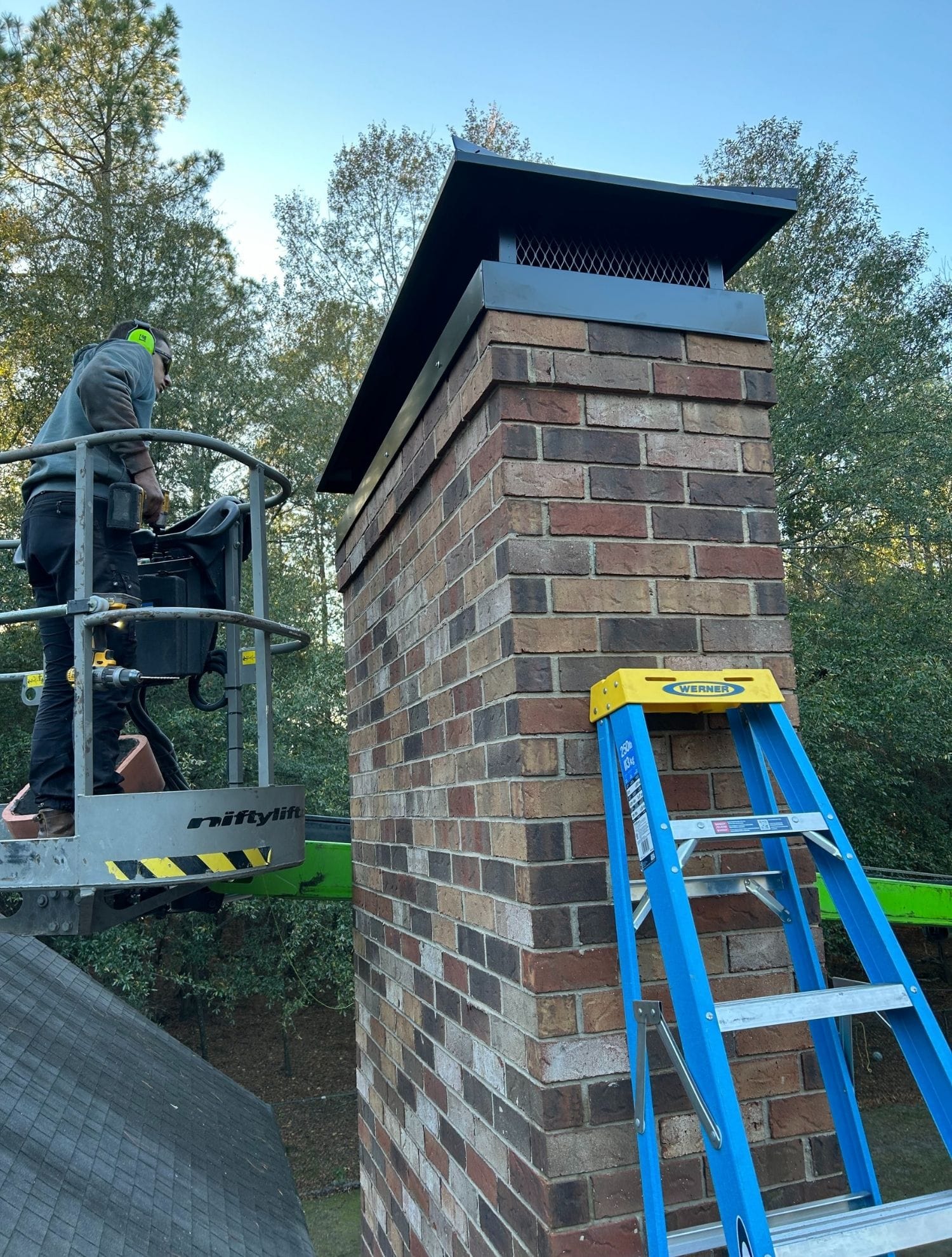
The installation process for chimney caps involves assessing the chimney's condition, selecting the appropriate cap, securing it to the chimney top, and ensuring a proper fit to prevent leaks and animal entry.
Are there chimney caps designed for specific climates?
Chimney caps are indeed designed for specific climates. They can be tailored to withstand varying weather conditions, such as heavy rain, snow, or high winds, ensuring optimal protection against water damage and animal intrusion.
How can I find a chimney cap replacement service?
Finding a chimney cap replacement service can be done by researching local companies online, checking customer reviews, and asking for recommendations from friends or family. Look for services that specialize in chimney maintenance and offer free estimates.
What are the risks of DIY chimney cap installation?
The risks of DIY chimney cap installation include potential safety hazards, improper sealing leading to water damage, and the possibility of animal intrusion if not installed correctly. Professional installation ensures a secure fit and long-lasting protection for your home.
How do chimney caps improve energy efficiency?
Chimney caps improve energy efficiency by preventing heat loss and reducing drafts. They seal the chimney, keeping warm air inside during colder months and helping to maintain a consistent indoor temperature, ultimately lowering heating costs.
What features should I consider in a chimney cap?
The features to consider in a chimney cap include durable materials to withstand weather, a proper fit for your chimney size, a mesh screen to prevent animal entry, and a design that allows for efficient ventilation while keeping out debris and water.
How often should I inspect my chimney cap?
The frequency of inspecting your chimney cap should be at least once a year, ideally before the heating season. Regular inspections help identify wear or damage, ensuring your chimney remains protected from water intrusion and animal entry.
Can a chimney cap reduce smoke odors?
A chimney cap can help reduce smoke odors by preventing downdrafts and keeping outside air from entering the chimney. This ensures that smoke is effectively vented out, minimizing unpleasant smells inside your home.
What are the environmental benefits of chimney caps?
The environmental benefits of chimney caps include preventing rainwater from entering the chimney, which reduces water damage and the need for repairs. They also deter animals from nesting, helping maintain local wildlife balance and minimizing the need for chemical pest control.
How do I know if my chimney cap is effective?
The effectiveness of your chimney cap can be determined by checking for signs of water damage, debris accumulation, or animal entry around your chimney. A well-functioning cap should prevent these issues, ensuring proper ventilation and protection.