Conducting a thorough chimney inspection is a critical safety measure for any homeowner, as hidden issues like creosote buildup, cracks, or animal blockages can pose serious fire and carbon monoxide hazards. Whether you’re preparing for the heating season or performing routine maintenance, a structured checklist ensures no vital component is overlooked. In this guide, we’ll provide an essential, step-by-step chimney inspection checklist—covering the interior, exterior, and key structural elements—so you can identify potential problems early and ensure your fireplace or stove operates safely and efficiently.
Chimney Inspection Checklist to Prevent Costly Fire Hazards
How Often Should You Perform A Chimney Safety Inspection?
Staying ahead of chimney problems starts with a clear, simple routine. Most homeowners can use a basic chimney inspection checklist once or twice a year on their own to spot obvious issues, then bring in a professional for a full evaluation at least annually. The National Fire Protection Association recommends that chimneys, fireplaces, and vents be inspected once a year, regardless of how often they are used. That annual look helps catch damage from weather, small cracks that grow over time, and buildups that are easy to miss during day-to-day use.
Even if you only light a fire a few times each winter, your chimney still faces temperature swings, moisture, and animal activity. An annual visit keeps small concerns from turning into smoke damage, draft problems, or fire hazards. Using a simple chimney inspection checklist between professional visits also gives you a clearer picture of when something has changed and needs attention.
What Are The Recommended Inspection Frequencies For Different Homes?
While “once a year” is a good baseline, not every home has the same risk level. How often you need a full inspection depends on the type of fuel you burn, how old the system is, and how hard it works each season.
Wood burning fireplaces tend to need the most attention. Burning wood creates creosote, a sticky, flammable residue that clings to the inside of the flue. If that buildup becomes heavy, it can ignite and cause a chimney fire. Homes that burn wood several nights a week during winter often benefit from a mid season check in addition to the yearly inspection, especially if the wood is not fully seasoned.
Gas fireplaces generally leave less residue, but they are not maintenance-free. Gas systems can still develop venting issues, blocked terminations, or problems with combustion that are not obvious to the eye. Older chimneys, or those that have been relined or repaired, also deserve closer monitoring for shifting masonry, cracked crowns, or moisture intrusion.
A practical way to think about frequency is this. Plan on one professional inspection every year, tighten that schedule if you burn a lot of wood or have an older structure, and use your personal chimney inspection checklist each season to note visible changes like staining, loose bricks, or unusual odors.
How Do Metro Atlanta Conditions Affect Your Inspection Schedule?
Metro Atlanta does not see the long, deep freezes common in colder regions, but the climate still affects how often you should review chimney safety. Humid summers and sudden cold snaps can push moisture into small cracks, then expand and contract as temperatures change. Over time, that movement can damage mortar joints, crowns, and caps, even if you are not burning many fires.
Storms and high winds can also loosen caps or flashing, invite animals to nest, or leave debris that interferes with proper drafting. If your home has gone through a major weather event, a roof repair, or a remodel that involves the fireplace wall, it is smart to schedule an extra inspection rather than waiting for the next calendar year.
Local codes in Metro Atlanta do not usually set a specific chimney inspection schedule for single-family homes, but insurance companies often expect regular maintenance and may ask for proof of recent service after a fire or smoke claim. Following national guidelines, using a straightforward chimney inspection checklist at home, and adjusting for your level of use and local weather gives you a realistic plan that keeps your fireplace enjoyable and your home safer.
What Are the Step-by-Step Procedures in a Thorough Chimney Inspection Checklist?
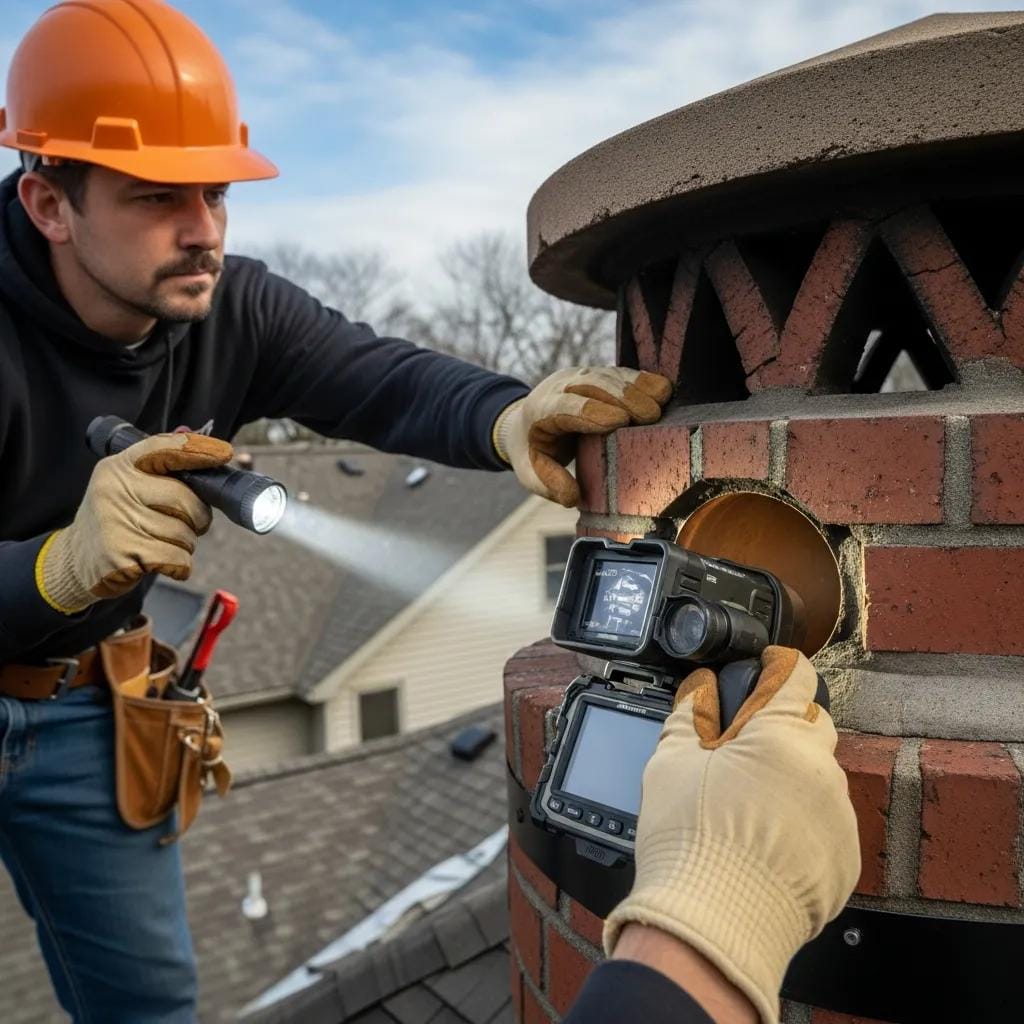
A solid chimney inspection checklist walks through the system in a logical order so nothing is overlooked. Start with the big picture from the ground, then move closer to individual components, and finish with a look inside the firebox and flue. This approach helps you spot obvious trouble, like leaning masonry or missing caps, before you focus on smaller issues such as hairline cracks or light staining. A good chimney inspection checklist does not replace a professional evaluation, but it gives you a clear sense of your chimney’s condition and when it is time to bring in an expert.
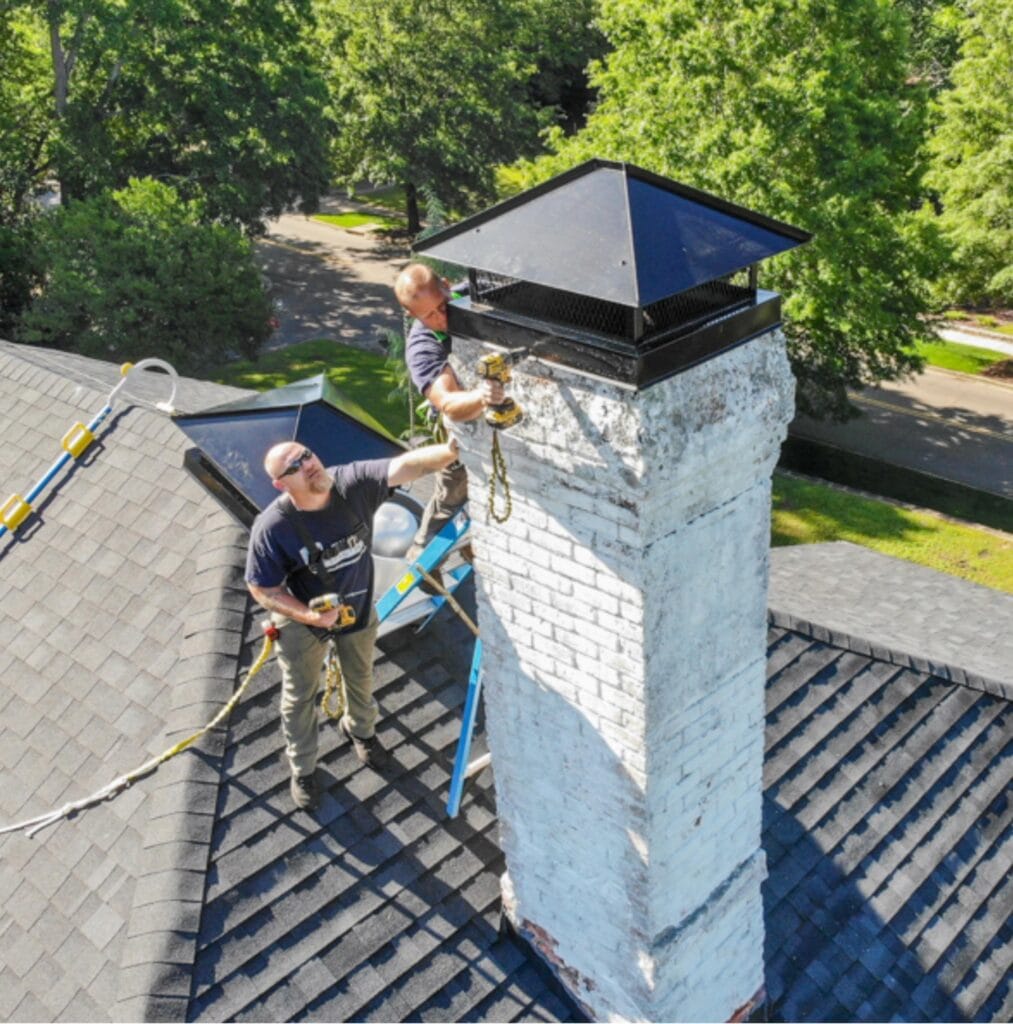
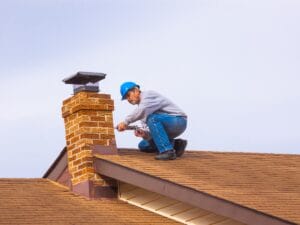
Begin outside by standing where you can see the full height of the chimney. Check whether it appears straight, whether there are any visible gaps in the mortar joints, or areas where bricks look loose, spalled, or discolored. Pay attention to metal components at the top as well, since rust, warping, or missing pieces at the cap or crown can let water in and speed up damage.
How To Visually Inspect Chimney Components: Flue, Liner, And Cap
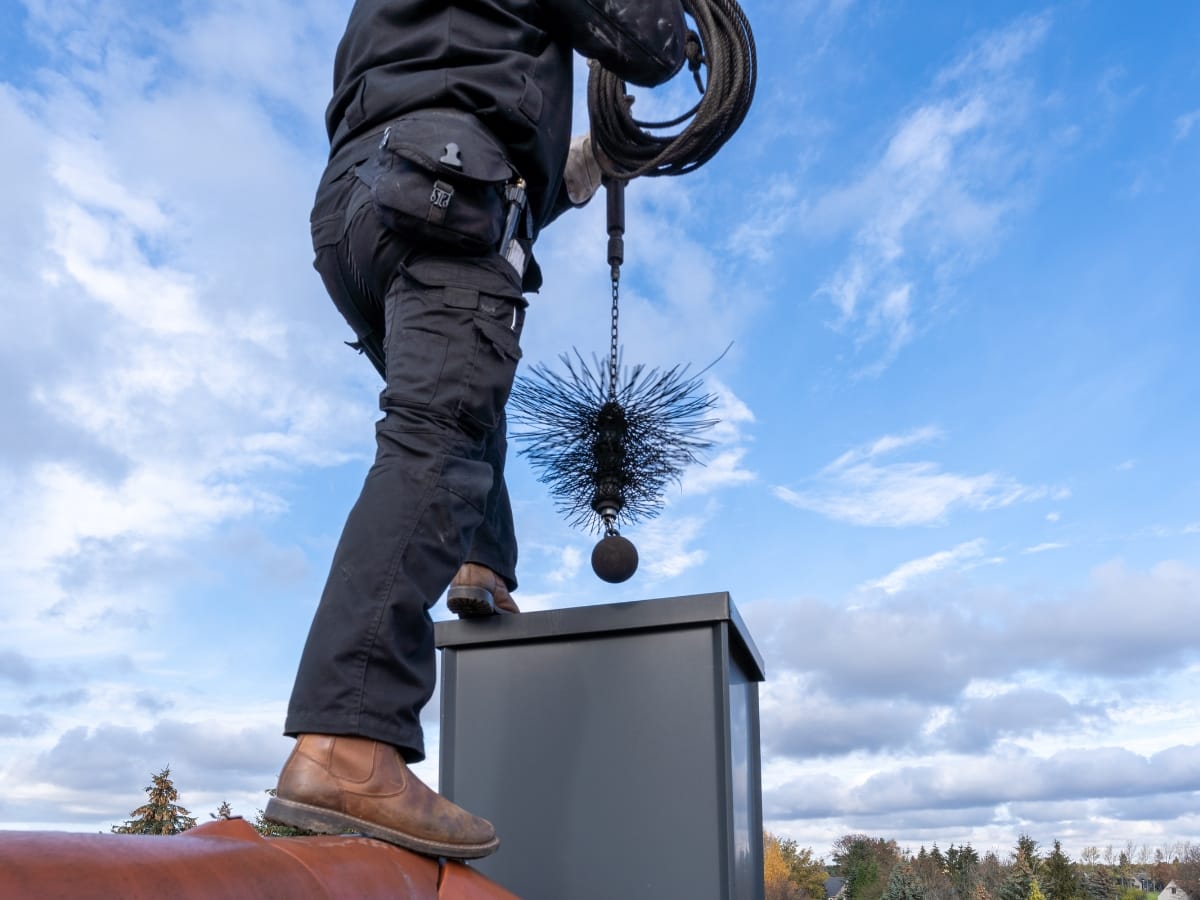
Once you have a sense of the overall structure, move closer to key components such as the flue, liner, and cap. From the roof or a safe vantage point, look at the chimney cap to confirm it is firmly attached and free of dents, rust, or holes. A sound cap keeps out rain, leaves, and animals, which protects both the flue and the firebox below. If you see birds’ nests, branches, or other debris around the top, note that as a potential blockage that needs attention.
With a strong flashlight, look down into the flue and along the visible portions of the liner. You should see a continuous, unbroken surface without gaps, missing tiles, or exposed brick. Clay tile liners should not have sections that appear shifted or cracked, and metal liners should not show buckling, heavy rust, or open seams. Any sign that hot flue gases could escape into surrounding framing is a red flag and should be checked by a qualified chimney professional.
How To Identify Creosote Buildup And Structural Damage
The interior of the chimney is where many hidden problems show up first. Use your flashlight to examine the flue walls for creosote, which often appears as a black, brown, or glossy coating. A light, powdery soot layer is common, but thick, shiny, tar-like deposits are more concerning because they ignite more easily and can fuel a chimney fire. If you can see flakes hanging from the walls or ridges of hardened material, it is a sign that a professional cleaning is due.
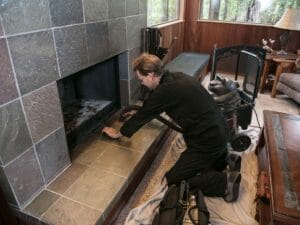
While you are inspecting buildup, also look for structural damage. Inside the firebox, check for cracked firebrick, missing mortar between joints, or metal components that are warped or heavily rusted. In the smoke chamber above the damper, watch for crumbling mortar, uneven surfaces, or gaps where smoke could leak into surrounding walls. On the exterior, staining on the bricks, white mineral deposits, or moss and algae growth can signal water intrusion that may weaken the structure over time.
Taken together, these steps turn a basic visual check into a more complete chimney inspection checklist that helps you understand how your system is aging. By regularly reviewing the cap, flue, liner, and masonry for changes, you can catch problems early, schedule cleaning or repairs on your own timeline, and keep your fireplace safer and more efficient through each heating season.
What Are the Common Signs of Chimney Damage and Fire Hazards?
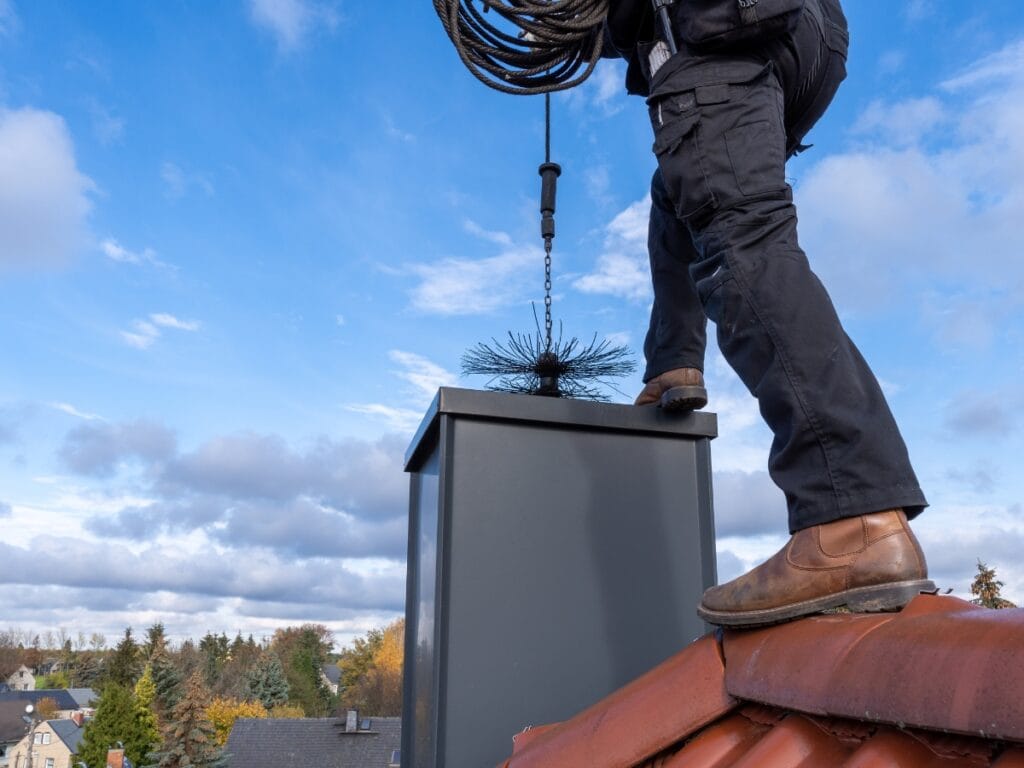
Spotting problems early is one of the most important parts of any chimney inspection checklist. Many issues start small and are easy to overlook, but they can turn into serious safety hazards if they are ignored. By learning the common signs of chimney damage and understanding how they connect to fire risk, homeowners can decide when simple monitoring is enough and when it is time to bring in a professional for a closer look.
Common Warning Signs Of Chimney Damage
Some of the clearest red flags show up on the exterior of the chimney. Cracked, crumbling, or missing bricks, gaps in the mortar joints, or a chimney that appears to be leaning are all signs that the structure may be weakened. You might also see staining on the outside of the masonry, efflorescence (a white, powdery residue), or rust on metal parts such as the cap or flashing. These often point to ongoing moisture problems that can shorten the life of the chimney and create hidden damage behind the visible surface.
Inside the home, watch for changes in how the fireplace behaves. Smoke spilling back into the room instead of rising smoothly up the flue, difficulty getting a good draft started, or new cold spots around the fireplace wall can all indicate blockages or liner issues. A persistent smoky smell even when the fireplace is not in use is another warning sign, especially if it seems stronger after rain or on windy days. Including these checks in your chimney inspection checklist helps you track changes over time instead of noticing only major failures.
When Chimney Damage Becomes An Urgent Safety Issue
Not every crack or stain is an emergency, but certain findings call for prompt attention. A chimney that is visibly leaning, has large open cracks, or is shedding bricks or mortar can pose a structural risk, especially during storms or high winds. Inside the firebox, missing firebricks, large gaps in mortar, or warped metal components mean that heat may be reaching materials that were never meant to be exposed to high temperatures.
Repeated minor chimney fires are another serious warning, even if they were brief or went unnoticed at the time. Evidence might include loud cracking or popping sounds during a fire, a strong hot smell, or powdery, burned creosote flakes in the firebox. Any sign that fires are burning inside the flue rather than only in the firebox should be treated as a safety issue that needs professional evaluation.
Why Creosote Buildup Is A Major Fire Hazard
Creosote is a byproduct of burning wood, and some of it is created every time you use a fireplace or wood stove. As smoke cools while moving up the flue, creosote condenses on the inner walls. At first this may look like a light, sooty dust, but over time it can build into thick, tar-like layers that are highly flammable. When creosote deposits are heavy, a single stray spark or very hot fire can ignite them, leading to an intense chimney fire.
Chimney fires often burn extremely hot and can damage liners, crack masonry, and allow flames or embers to reach surrounding framing. Even if a fire does not spread into the home, it can leave the chimney unsafe for future use. That is why any thorough chimney inspection checklist includes a specific step to evaluate creosote buildup, not just a quick glance with a flashlight. Regular cleaning, paired with sensible burning practices such as using seasoned wood and avoiding smoldering, cooler fires, keeps creosote in check and greatly reduces the risk of a chimney fire.
By combining visual checks for structural damage with careful attention to performance and creosote levels, homeowners can use a chimney inspection checklist as a practical tool for safety. The goal is not to turn you into an inspector, but to help you notice early changes, schedule cleaning and repairs on your own terms, and enjoy your fireplace with more confidence each heating season.
What Are Effective Chimney Maintenance and Cleaning Tips to Ensure Safety?
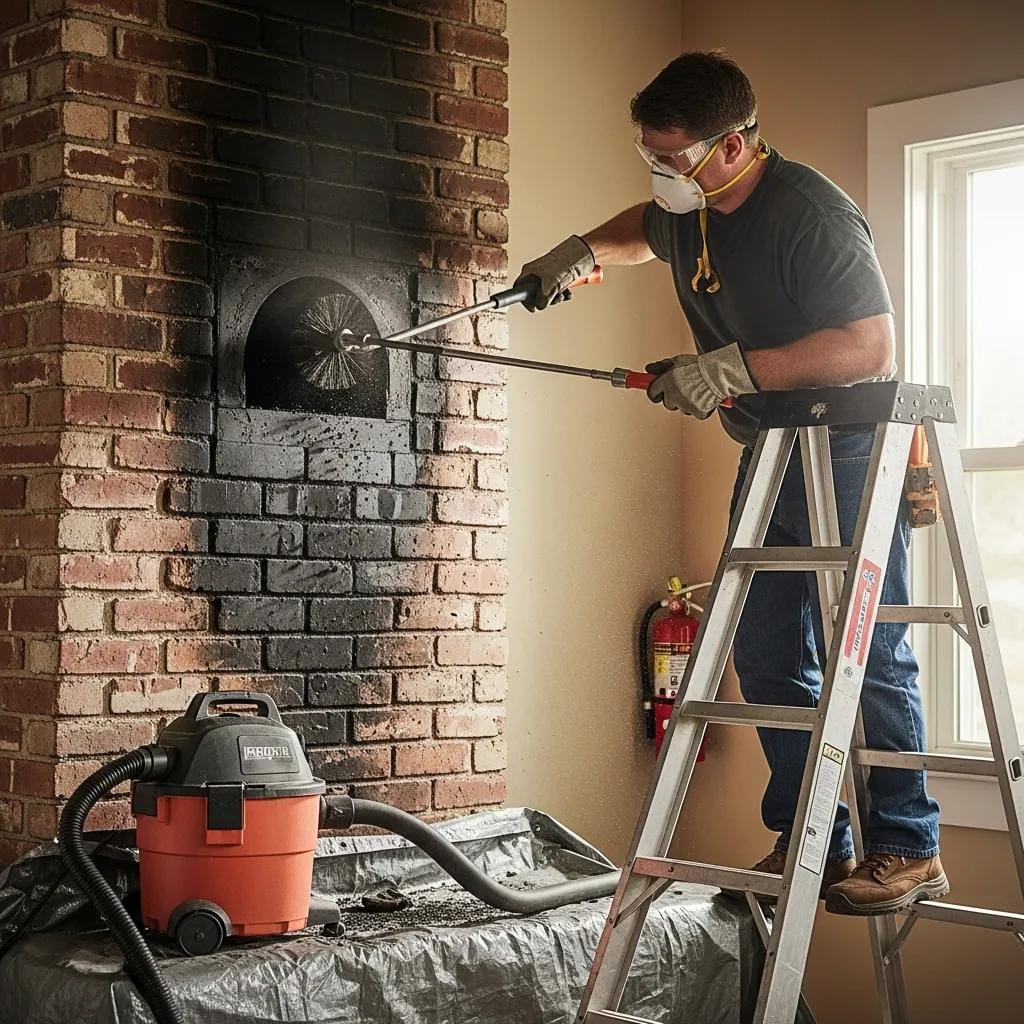
A good chimney inspection checklist is not just for professionals. Homeowners can use one to stay ahead of problems and keep their fireplace safe and efficient. The core of that checklist is simple: keep the flue clean, keep the structure sound, and make sure air can move freely. Regular cleaning removes creosote so it does not build into a fire hazard, while visual checks help you catch small issues before they turn into expensive repairs.
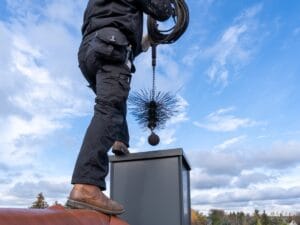
Start by planning a routine cleaning schedule that matches how often you burn fires. During the heating season, pay attention to any change in how your chimney draws, how your fire burns, or whether you notice more smoke or odor in the room. Between deep cleanings, it also helps to glance at the chimney cap and the top of the flue from the ground or with a safe ladder setup. Look for branches, leaves, or signs of animal nesting that might block airflow. Indoors, keep the firebox, grate, and surrounding area free of ash and debris so you are not feeding extra dust and soot into the system each time you build a fire.
Part of an effective chimney inspection checklist is also walking around the outside of your home. Check the masonry or siding around the chimney for cracks, crumbling mortar, stained bricks, or rust on metal parts such as the cap and flashing. These small exterior clues can point to water intrusion or shifting that, if left alone, may affect the interior liner or surrounding framing. Addressing these problems early usually costs less than waiting until they cause leaks, smoke issues, or structural damage.
How Often Should You Clean Your Chimney To Prevent Hazards?
Cleaning frequency depends on how you use your fireplace and what you burn, but most chimney professionals and safety organizations recommend at least one full cleaning each year. If you burn wood often, it is smart to think in terms of both time and number of fires. For many households, a practical guideline is to schedule a cleaning once a year or after roughly 30 to 40 full fires, whichever comes first. Heavy users, such as families who rely on a wood stove as a regular heat source, may need more frequent service.
Gas fireplaces usually produce less soot and creosote than wood-burning units, but that does not mean they can be ignored. Even with gas, an annual inspection is important to check the venting, confirm there are no blockages, and verify that the chimney structure and liner are still sound. Including these timing reminders in your chimney inspection checklist makes it easier to plan ahead, book service before the busy season, and avoid surprise problems in the coldest months.
Best Practices For Chimney Liner And Fireplace Care
The chimney liner plays a central role in safety, so it deserves its own place on any chimney inspection checklist. A sound liner helps contain heat, directs smoke and gases outside, and protects nearby framing from high temperatures. During inspections, look for visible cracks, gaps, rust, or missing sections in metal liners. With masonry liners, check for broken tiles, displaced joints, or evidence of smoke escaping into areas it should not reach. Any damage to the liner is a sign to bring in a qualified professional, since continued use can raise the risk of chimney fires or carbon monoxide entering the home.
Day-to-day fireplace habits also affect how hard the chimney has to work. Burn only seasoned, dry wood that has been stored properly, since wet or unseasoned logs create more smoke and creosote. Avoid burning trash, cardboard, or treated wood, which can leave corrosive residues and produce excessive soot. Keep the damper operating smoothly so you can open it fully during use and close it when the fireplace is cool to reduce heat loss. Regularly check the firebox, hearth, and nearby walls for cracks, staining, or signs of overheating.
By combining routine cleaning, consistent inspections, and thoughtful burning practices, homeowners can use a simple chimney inspection checklist as a practical tool rather than a chore. That structure helps you stay organized, reduce fire risk, and enjoy your fireplace with more confidence throughout the heating season.
When Should You Call a Professional for Chimney Inspection and Repairs?
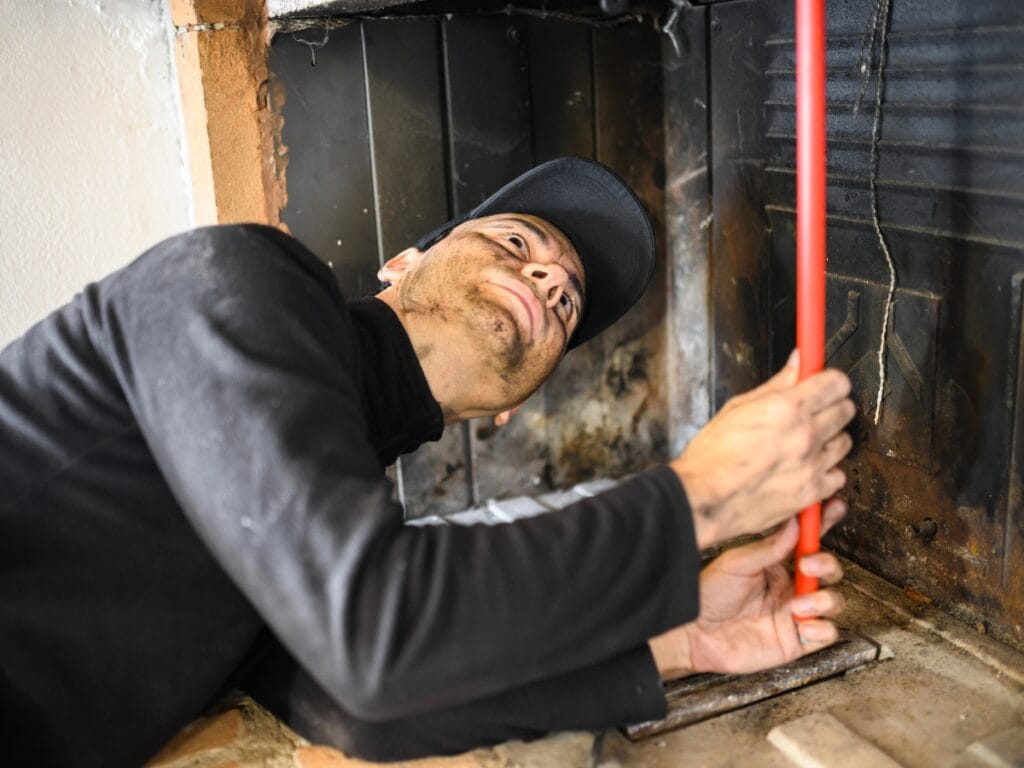
A homeowner-friendly chimney inspection checklist is useful for quick visual checks, but there are clear points where a professional needs to step in. If you notice persistent smoke backing into the room, a strong campfire smell even when the fireplace is cold, or stains on walls and ceilings near the chimney, those are signs that a basic check is not enough. Visible cracks in the masonry, loose bricks, rust streaks, or water inside the firebox also point to deeper problems that should be evaluated by a certified technician.
You should also bring in a professional after a chimney fire, severe storm, lightning strike, or major roof work. Any time you are switching fuel types, installing a new insert, or using a fireplace that has been idle for several years, a full inspection is safer than relying only on your own chimney inspection checklist. Think of your DIY checklist as an early warning tool and a way to stay informed, not as a replacement for expert evaluation.
What Are The Benefits Of Professional Chimney Safety Inspections?
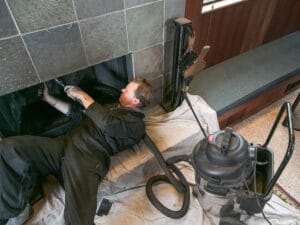
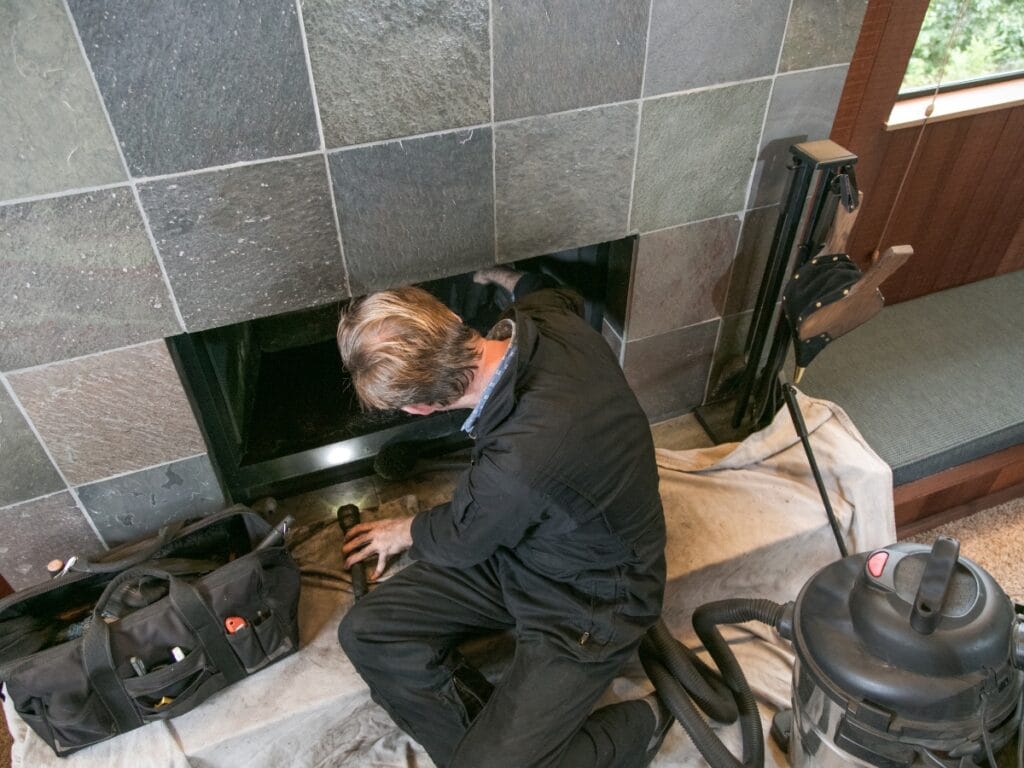
A professional inspection goes far beyond a quick look with a flashlight. Certified chimney specialists are trained to evaluate internal components that most homeowners cannot see, such as the full length of the flue, the condition of the liner, smoke chamber, and hidden areas in the attic or behind walls. They know how to measure creosote levels, spot heat damage, and recognize subtle signs of past chimney fires that can weaken the structure.
Professionals also understand how all the parts work together, from the firebox and damper to the cap and crown. That means they can explain why a draft problem is happening instead of just treating the symptoms. A good chimney inspection checklist used by a professional will include safety tests, documentation, and clear recommendations so you know which issues are urgent and which can be planned for later. This kind of detailed report is helpful for insurance, real estate transactions, and long term maintenance planning.
How To Choose A Certified Chimney Inspection Service In Metro Atlanta
In Metro Atlanta, choosing the right provider matters as much as deciding when to call one. Start by looking for companies whose technicians hold credentials from organizations such as the Chimney Safety Institute of America (CSIA) or other recognized industry bodies. Certification shows they have completed formal training and keep up with safety standards and building codes.
Next, ask what level of inspection they perform and how their process compares to national guidelines. A reputable company should be able to explain the scope in plain language and tell you what their visit includes, from visual checks to camera inspections if needed. Reviews and local references are also useful, especially in neighborhoods with older homes or heavy fireplace use.
Clarify pricing, documentation, and whether they provide written reports with photos. When you combine your own basic chimney inspection checklist with regular visits from a certified local professional, you create a practical, reliable routine that protects your home and helps your fireplace perform safely season after season.
What Local Safety Standards And Regulations Govern Chimney Inspections In Metro Atlanta?
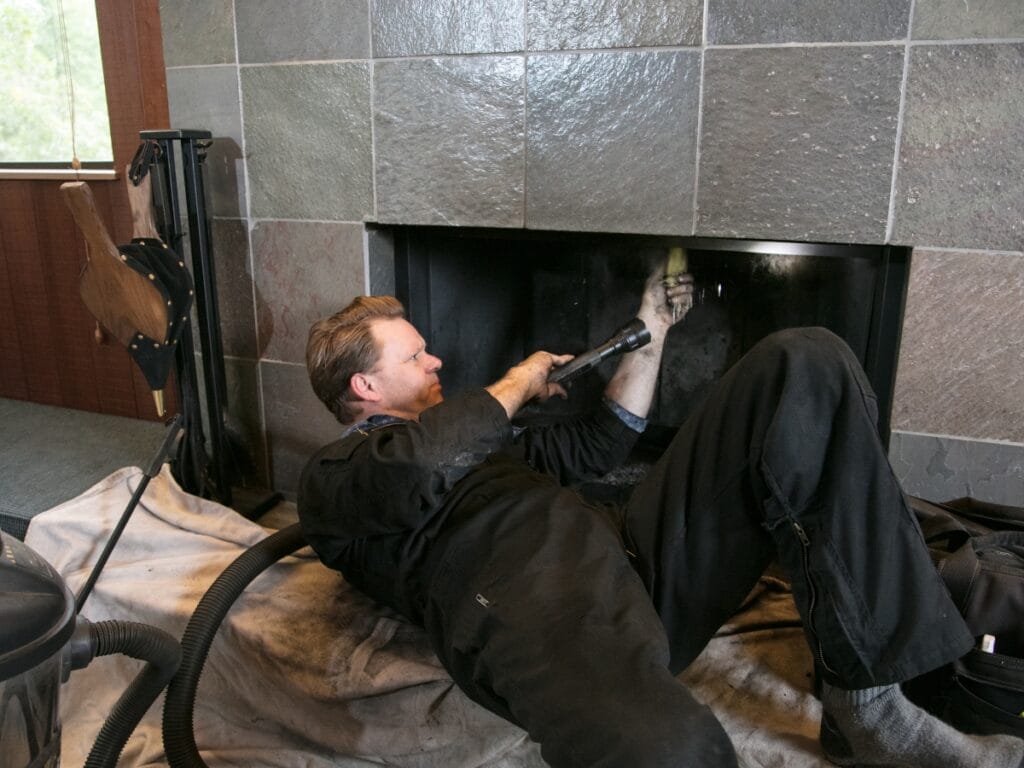
For Metro Atlanta homeowners, a clear chimney inspection checklist should start with the basic safety standards that apply locally. While most single-family homes are not subject to strict, inspection-by-law requirements, chimneys still fall under general fire safety and building code expectations. That means you are responsible for keeping the system in safe working order, even if no one is coming out to enforce it on a fixed schedule.
National recommendations from the National Fire Protection Association call for chimneys, fireplaces, and vents to be inspected at least once a year. Many Metro Atlanta professionals build their own chimney inspection checklist around these guidelines, then adapt it to local housing styles, fuel types, and how often fireplaces are used. Treating those national standards as your baseline is a practical way to stay ahead of problems rather than reacting after a smoky night or a near miss.
Which Metro Atlanta Fire And Building Guidelines Should Homeowners Follow?
Across Metro Atlanta, local fire departments and building departments emphasize prevention, even if they do not spell out a specific inspection date on the calendar. Homeowners are encouraged to keep solid-fuel appliances in good repair, manage creosote buildup, and correct visible structural issues such as loose bricks, missing mortar, or damaged caps.
Weather patterns in North Georgia add another reason to stay on top of maintenance. Freeze-thaw cycles, severe thunderstorms, and high humidity can all accelerate masonry wear and metal corrosion. Folding a basic exterior check into your chimney inspection checklist after major storms or before the heating season helps you catch early damage instead of discovering it when smoke does not draft properly or water starts staining interior walls.
How Do CSIA Standards Shape Professional Chimney Inspection Protocols?
Most reputable chimney professionals in Metro Atlanta follow inspection levels and procedures developed by the Chimney Safety Institute of America. CSIA standards describe what should be examined in a basic annual inspection and when a more detailed, camera-assisted assessment is needed, such as after a chimney fire, a major weather event, or structural changes to the home.
For homeowners, this means a good chimney inspection checklist will mirror those standards. A CSIA-informed inspection looks at clearances to combustibles, the condition of the liner and flue, integrity of the crown and cap, and evidence of past overheating or fire. When you hire a certified technician, you are not just getting a quick glance at the firebox, but a systematic review that lines up with national best practices.
How Often Should Key Chimney Safety Tasks Be Done?
Even with professional help, it is useful to understand the typical schedule for core chimney safety tasks. The table below summarizes common intervals that many Metro Atlanta homeowners follow and that pros often recommend.
| Inspection Type | Frequency | Recommended Action |
|---|---|---|
| Annual Inspection | Once a year | Schedule a professional inspection to assess overall chimney condition. |
| Cleaning | As needed (about every 30–40 fires or annually) | Remove creosote buildup to lower fire risk and improve draft. |
| Structural Check | Every few years or after severe weather | Inspect for cracks, leaning, loose bricks, or water damage. |
Using a simple schedule like this, paired with your own chimney inspection checklist, makes it easier to stay consistent. A yearly professional visit, occasional cleaning based on how often you burn wood, and a structural look after major storms can prevent many common problems.
Regular inspections and maintenance do not just tick a box; they protect your home from fire hazards, improve fireplace performance, and extend the life of the chimney itself. By combining local safety expectations with a practical, written chimney inspection checklist, Metro Atlanta homeowners can manage risks proactively and enjoy their fireplaces with more confidence each heating season.
Conclusion
Following a thorough chimney inspection checklist is the key to ensuring your fireplace is safe, efficient, and ready to provide cozy warmth all season long. While a visual check is a great start, a professional inspection by a certified technician is the only way to identify hidden hazards like creosote buildup or structural damage. At Amazing Flames, our experts provide comprehensive chimney services, from detailed inspections and cleaning to repairs, guaranteeing your peace of mind. Ready to ensure your fireplace is safe and sound? Call (770) 501-2080 or visit our website for a free quote today. Let us help you enjoy the warmth, worry-free.