A chimney liner is far more than just a secondary component; it’s a critical safety feature that protects your home from dangerous heat transfer, toxic gas leaks, and destructive creosote buildup. Without a properly installed and intact liner, intense heat from combustion can ignite nearby combustible materials in your walls, while corrosive byproducts can degrade your chimney’s masonry from the inside out. This guide explains why chimney liners are crucial for safety, detailing their vital functions in containing combustion, improving draft, and ensuring that harmful gases like carbon monoxide are vented safely outside your home.
Chimney Liners and Why They Matter More Than You Think
What Is A Chimney Liner And Why Is It Indispensable For Safety?
A chimney liner is a protective layer inside the chimney flue that helps move smoke and combustion gases safely out of your home. When a fireplace, wood stove, or fuel-burning appliance runs, it produces heat, soot, and gases that need a clear, contained path to the outdoors. Chimney liners provide that path while also protecting the chimney’s interior from heat damage and chemical wear over time.
Without a liner, or with a liner that is cracked or improperly sized, heat and gases can reach areas they should not. That increases the risk of chimney fires, carbon monoxide problems, and long-term damage to masonry. Even if a chimney looks fine from the outside, the inside can deteriorate from years of exposure to moisture and acidic byproducts. In that sense, chimney liners are not just a feature, they are a major safety component that helps the whole system work as intended.
What Are The Core Functions Of A Chimney Liner?
One of the most important jobs of a liner is heat protection. Combustion produces high temperatures, and a liner helps keep that heat contained within the flue. This reduces the chance that surrounding building materials will be exposed to unsafe temperatures. It also helps prevent cracks and gaps from forming in the chimney structure, which can create hidden pathways for heat and sparks.
Another major function is directing harmful gases out of the home. Fuel-burning systems can produce carbon monoxide, which is odorless and dangerous. Chimney liners help keep those gases moving upward and out, instead of letting them leak through damaged mortar joints or rough, deteriorating chimney walls. While other parts of your venting system matter too, the liner is the part that keeps the exhaust route sealed and controlled.
Liners also protect against corrosion. The byproducts of combustion are not just smoke. They can include moisture and acidic compounds that eat away at brick, mortar, and metal components over time. A liner acts like a barrier between those byproducts and the chimney structure, helping the chimney last longer and reducing the likelihood of expensive repairs later.
How Does A Chimney Liner Optimize Draft And Efficiency?
Draft is the upward pull that carries smoke and exhaust gases out of the home. When draft is strong, fires burn more cleanly and appliances vent more reliably. A properly sized liner supports that by creating a smoother, more consistent passage for airflow. Older chimneys, especially masonry flues, can be rough or oversized for modern appliances. That combination can slow exhaust movement, reduce efficiency, and increase the buildup of soot or creosote.
With the right liner, the flue is sized to match the appliance and designed to vent gases efficiently. This helps the system warm up faster and maintain steadier airflow. In practical terms, good draft can mean less smoke rollout, fewer lingering odors, and better overall performance from the appliance. It can also reduce the conditions that lead to buildup, since exhaust is moving out instead of cooling and sticking to the flue walls.
In the end, chimney liners are about safe venting and long-term protection. They help contain heat, reduce the risk of gases entering the home, and protect the chimney from the harsh effects of combustion. They also support better draft, which can improve how well the entire system operates.
What Are The Dangers Of An Unlined Or Damaged Chimney Flue?
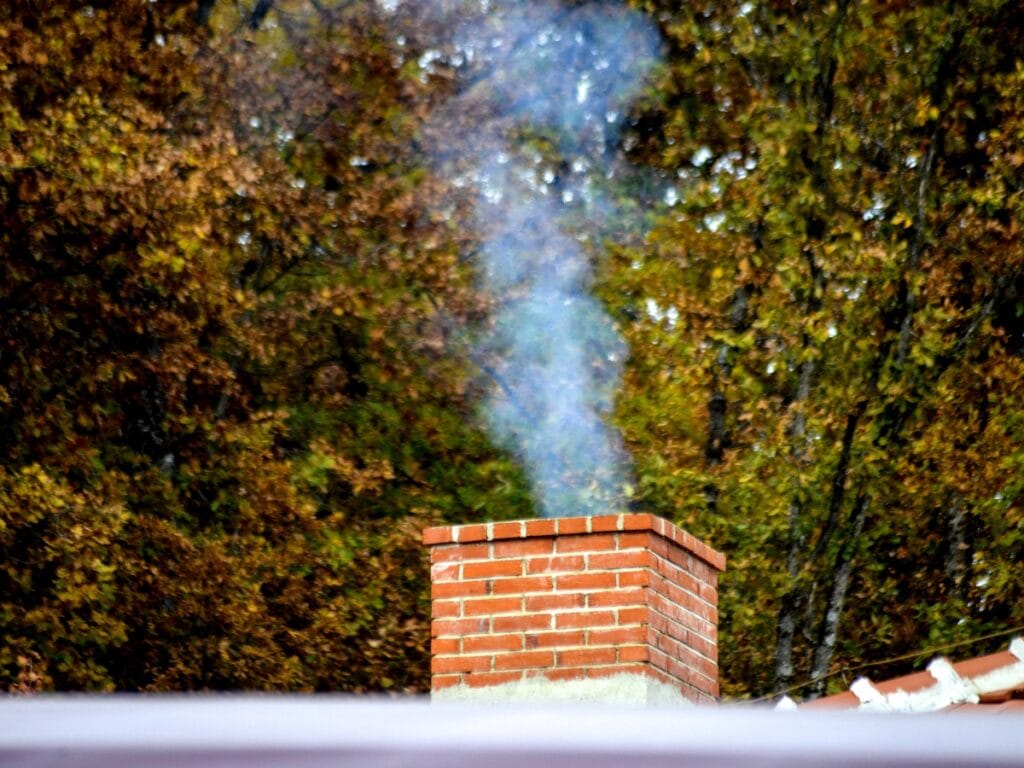
An unlined or damaged chimney flue can create serious safety risks, even if your fireplace or heating appliance seems to be working normally. When the flue is not properly lined, heat, smoke, and combustion gases do not have a reliable, contained path to the outdoors. Over time, that can lead to hidden structural damage, higher fire risk, and exposure to harmful gases inside the home. This is why chimney liners are treated as a core safety feature, not an optional upgrade.
A liner acts like a barrier between the hot, corrosive byproducts of combustion and the chimney’s structure. Without that barrier, the inside of the chimney can degrade faster, especially in masonry chimneys where mortar joints can weaken and crack. Once gaps form, heat and gases can move into areas they should never reach, including wall cavities and attic spaces.
How Do Chimney Fires Occur And How Does A Liner Prevent Them?
Chimney fires are often linked to creosote, a tar-like residue that forms when wood smoke cools and sticks to the inside of the flue. Creosote is highly flammable, and when it builds up, a hot fire in the fireplace can raise flue temperatures enough to ignite it. The result can be a fast, intense chimney fire that may damage the chimney structure and potentially spread to nearby framing.
A properly installed liner helps reduce this risk in a few ways. First, chimney liners are designed to handle high temperatures more safely than exposed masonry or deteriorated flue surfaces. Second, a smooth, correctly sized liner helps exhaust move upward more efficiently, which can reduce the amount of smoke that cools and condenses inside the flue. Less condensation often means less creosote sticking to the walls. While a liner does not eliminate the need for regular inspection and cleaning, it can help the venting system operate more safely and predictably.
Another issue with unlined or damaged flues is that heat can transfer to surrounding materials more easily. If a flue has cracks or missing mortar, heat can reach wood framing and other combustible components. Those materials may not ignite immediately, but repeated exposure to high heat can dry them out and lower the temperature at which they can catch fire.
Why Is Carbon Monoxide Leakage A Silent Killer Without A Proper Liner?
Carbon monoxide is dangerous because you cannot see it or smell it, and early symptoms can feel like general fatigue or a mild illness. If a chimney or venting system is compromised, carbon monoxide can leak back into the home instead of venting outdoors. That risk can increase when the flue is damaged, blocked, or poorly drafted.
Chimney liners help by keeping exhaust contained and moving in the right direction. When a liner is intact and properly fitted, it reduces the chance that gases will seep through cracks in the chimney walls or escape through damaged mortar joints. It also supports stronger, steadier draft, which helps prevent backdrafting that can push smoke and gases into living spaces.
If you suspect flue damage, notice smoke odors indoors, or see signs like crumbling masonry or visible cracks, it is worth treating it as a safety concern rather than a minor maintenance issue. Chimney liners are one of the main protections that keep heat and combustion gases where they belong, which is inside the flue and outside the home.
What Types Of Chimney Liners Are Available And How Do They Impact Safety?
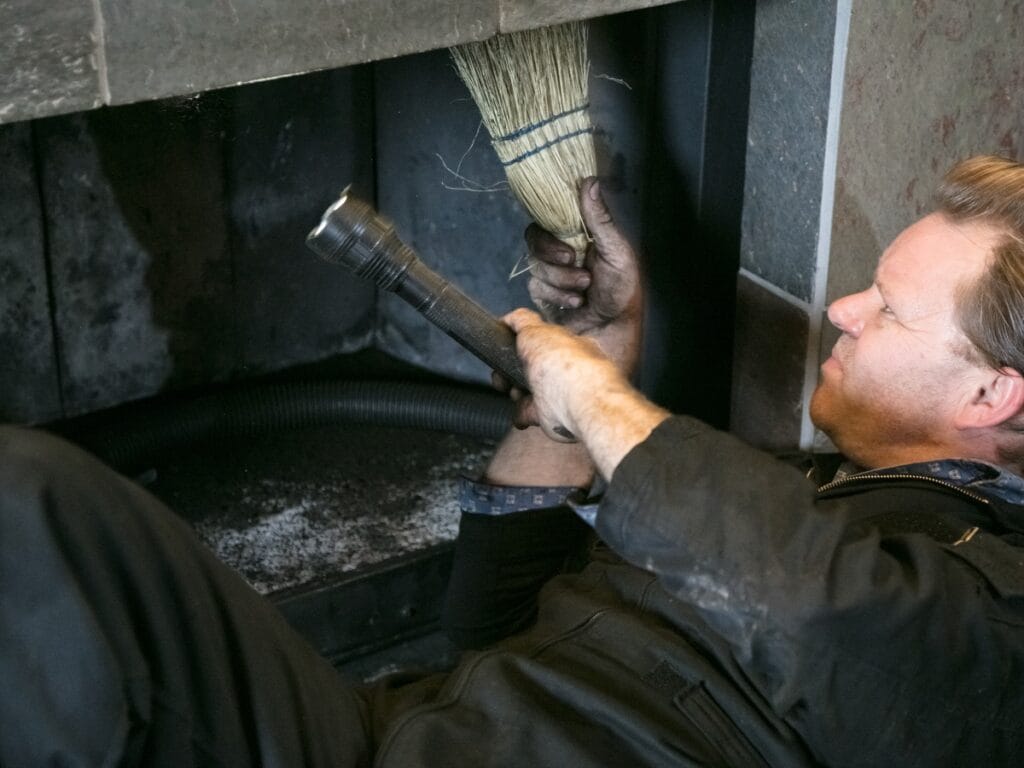
Not all chimney liners are the same, and the material you choose can affect both safety and long-term performance. The right liner helps contain high temperatures, protects the chimney structure from corrosive byproducts, and supports proper venting so smoke and gases exit the home efficiently. The wrong liner, or a liner that is damaged or mismatched to the appliance, can increase the risk of cracks, leaks, and drafting problems. Understanding the main liner types helps homeowners make better decisions, especially when replacing an older liner or updating a heating system.
In most homes, the best liner choice depends on the fuel type, the appliance being vented, the condition of the existing chimney, and how the chimney is constructed. Some liners work well in older masonry chimneys, while others are better suited to modern appliances that vent at different temperatures.
What Are The Safety Benefits And Drawbacks Of Clay Tile Liners?
Clay tile liners are one of the most common traditional options, especially in masonry chimneys. They are heat-resistant and can perform well when properly installed and kept in good condition. Clay tiles also provide a stable interior surface that helps shield the chimney walls from direct heat and combustion byproducts. For many fireplaces, chimney liners made from clay can be a durable, long-term solution.
The drawback is that clay is rigid, and rigidity can be a problem when a chimney shifts, settles, or experiences repeated heating and cooling cycles. Over time, clay tiles can crack, and even small cracks can allow heat and gases to reach the chimney structure. Another issue is that older clay tile systems may not match the venting needs of newer appliances, especially high-efficiency systems that produce cooler exhaust. When exhaust cools too quickly, it can increase condensation inside the flue, which may lead to faster deterioration or buildup issues. Clay can still be a safe option, but it relies heavily on the chimney being structurally sound and the liner remaining intact.
How Do Stainless Steel And Cast-In-Place Liners Compare In Durability And Protection?
Stainless steel liners are widely used because they are versatile and resistant to corrosion. They are especially common when an older chimney needs to be relined for a new appliance or when the existing liner is damaged. Stainless steel chimney liners handle high temperatures well and are less likely to crack than clay because they can tolerate normal expansion and contraction. They are also available in different configurations, which helps when a chimney has offsets or irregular shapes that make rigid liners difficult.
Cast-in-place liners are a different approach. Instead of inserting a rigid tile or metal tube, a cement-like material is poured or pumped into place, forming a continuous lining inside the chimney. This creates a seamless barrier that can improve containment and also add structural reinforcement to older chimneys. Cast-in-place chimney liners can be a strong solution when a chimney is deteriorating or when gaps and rough surfaces make other liner types less effective.
The main trade-off is cost and complexity. Cast-in-place liners generally require specialized installation and can be more expensive than stainless steel. Stainless steel, while durable, still needs to be correctly sized and properly installed to avoid performance problems. In either case, safety comes down to matching the liner to the appliance and ensuring the installation is done correctly, since even the best liner material cannot compensate for poor fit or improper venting.
When Should You Inspect, Repair, Or Replace Your Chimney Liner For Safety?
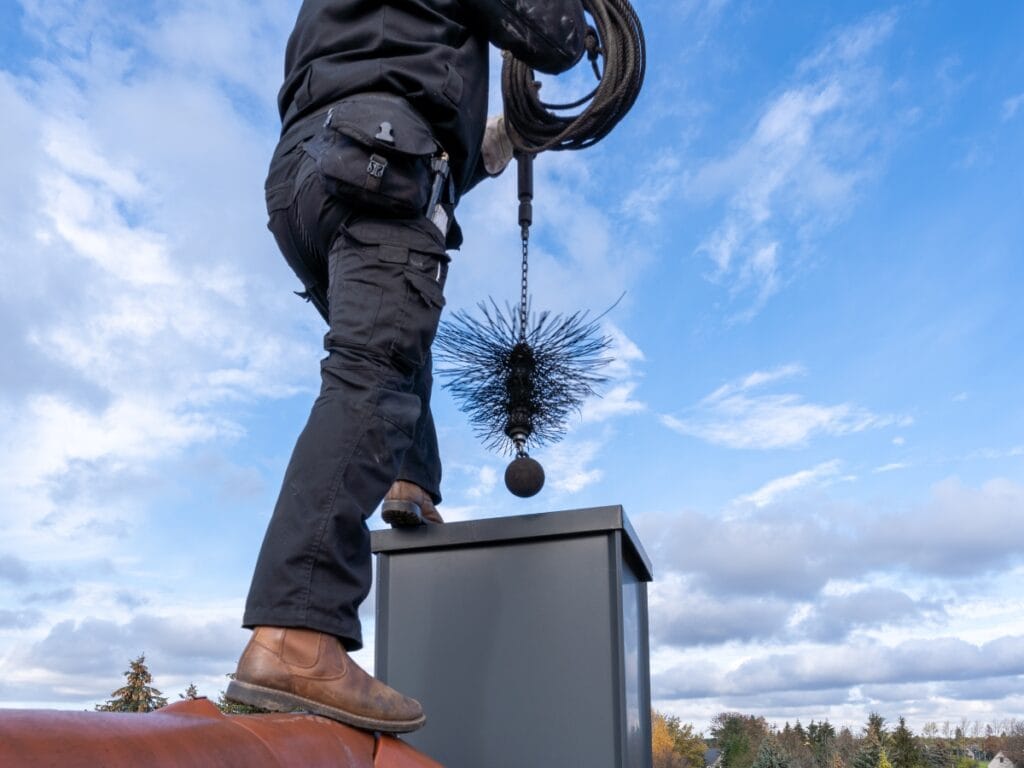
Even a well-built chimney can develop problems over time, especially when it is exposed to high heat, moisture, and the acidic byproducts of combustion. That is why chimney liners should be inspected regularly, not just when something feels off. A liner’s job is to contain heat and guide smoke and gases safely outside. If it cracks, corrodes, or separates, it can allow heat and exhaust to escape into the chimney structure and nearby building materials. The safest approach is to treat liner care as routine maintenance, not a once-in-a-while repair.
In general, you should inspect your liner more closely any time you change how the system is used. Switching appliances, changing fuel type, or increasing how often you burn can all affect the liner’s condition. Major weather events can also contribute to damage, especially if water gets into the chimney and freezes and thaws repeatedly.
What Are The Signs Of Chimney Liner Damage To Watch For?
Cracks and gaps are a major warning sign, but they are not always easy to spot without the right tools. Clay tile liners can crack from age, settling, or repeated heat cycles. Metal liners can separate at joints or become warped if they have been exposed to extreme temperatures. If you see any visible damage during a basic visual check, it is worth taking seriously because even small defects can get worse quickly.
Rust and corrosion are common signs of trouble for metal chimney liners, especially if moisture is getting into the flue. Corrosion can show up as staining, flaking, pitting, or rust around the fireplace opening or at cleanout access points. Moisture problems often go hand in hand with drafting issues, because cooler flues tend to collect more condensation. If you notice water-related signs like a musty odor, dampness, or staining around the chimney, the liner could be part of the problem.
A poor draft is another clue that something is not right. If smoke spills back into the room, if the fire is hard to start, or if you notice lingering smoke smells long after a burn, the venting system may not be moving air efficiently. Draft problems can be caused by blockages or buildup, but liner damage or an incorrectly sized liner can also contribute. Since draft affects how safely gases leave the home, it is one of the more important performance signs to address.
There are also indirect signs that can suggest liner issues. Excess creosote buildup, unusual amounts of soot, or a sudden change in how your fireplace or appliance behaves can indicate that the flue is not venting correctly. If you have experienced a chimney fire, even a small one, the liner should be evaluated because high heat can damage liners in ways that are not visible from the outside.
Why Are Annual Professional Inspections Critical For Chimney Liner Safety?
A professional inspection matters because many liner problems are hidden. Certified technicians can check the flue more thoroughly than a simple flashlight look, and they can identify issues like hairline cracks, joint failures, missing sections, or internal deterioration. They can also evaluate whether the liner is properly sized and appropriate for the appliance being vented, which is a common issue when older chimneys are paired with newer equipment.
Annual inspections also help catch smaller problems before they turn into expensive repairs. Minor gaps, early corrosion, and drafting issues can often be addressed before they lead to major structural damage or safety hazards. When it comes to chimney liners, routine inspection is one of the simplest ways to reduce fire risk, protect indoor air quality, and keep the chimney working the way it should.
What Codes And Standards Apply To Chimney Liners In Georgia?
In Georgia, chimney liner rules usually come from a mix of model codes adopted by the state (and sometimes adjusted with Georgia amendments), plus nationally recognized safety standards. For many homes, the International Residential Code (IRC) and related fuel gas and mechanical provisions are the starting point, and chimney and venting details often reference NFPA 211, a widely used standard for chimneys, fireplaces, vents, and solid-fuel appliances. Georgia also publishes state amendment packets that clarify how the adopted code editions apply statewide.
The practical takeaway is that chimney liners are not just “nice to have.” They are treated as a safety component tied to proper venting, clearances, and containment of heat and combustion byproducts. If you are researching chimney liners for a home in Georgia, it helps to think in terms of compliance with the adopted code edition in your area, plus the appliance manufacturer’s instructions.
Which Regulations Govern Installation, Sizing, And Maintenance?
Nationally, NFPA 211 is the best-known standard referenced for chimney construction and safety, and it is commonly used as a benchmark for lining requirements and acceptable liner condition. In addition, fuel gas provisions in the IRC typically include specific language for chimney venting and liner systems. For example, the Georgia IRC text available through ICC includes requirements addressing listed corrugated metallic chimney liner systems in masonry chimneys and how they should be sized.
Because local jurisdictions can enforce adopted codes with local amendments or policies, the safest approach is to treat “Georgia code” as a baseline, then confirm the edition and enforcement details with your city or county building department. That confirmation matters most when you are changing appliances, converting fuel types, or dealing with an older masonry chimney that may not meet current lining and venting expectations.
What Does Compliance Mean For Home Safety?
Compliance is mostly about reducing two high-consequence risks: fire and carbon monoxide exposure. A correctly selected and correctly installed liner helps keep flue gases in the flue, keeps heat where it belongs, and supports proper draft so exhaust moves up and out rather than spilling back into living spaces. Those goals are why chimney liners show up in both code language and safety standards discussions.
It also protects the chimney itself. When venting is undersized, oversized, cracked, or deteriorated, the chimney can be exposed to corrosive byproducts and moisture, which can accelerate damage. When homeowners hear “chimney liners,” they often think only about fireplaces, but liners can be just as important for certain stove inserts, boilers, and water heaters that vent through masonry chimneys, depending on the setup.
How To Use This Information When Evaluating Chimney Liners
If you are trying to make a practical decision, start by matching the liner discussion to the appliance and the chimney you actually have. Code language and standards generally work alongside manufacturer instructions, and sizing and listing are not details to gloss over. The Georgia-adopted code resources also show that liner systems are treated as engineered components that must be sized and installed correctly, not improvised.
A simple way to keep your decision grounded is to view chimney liners through three lenses: whether the liner is required for your venting configuration, whether the liner is properly sized and listed for the appliance, and whether the existing flue is intact and safe. If any of those are uncertain, that is usually the point where a qualified chimney professional or local inspector can help confirm what your jurisdiction expects. This is the most reliable way to make sure chimney liners meet Georgia requirements and that your chimney liners are actually improving safety, not just “checking a box.”
How Do Chimney Liners Prevent Fires And Carbon Monoxide Poisoning?
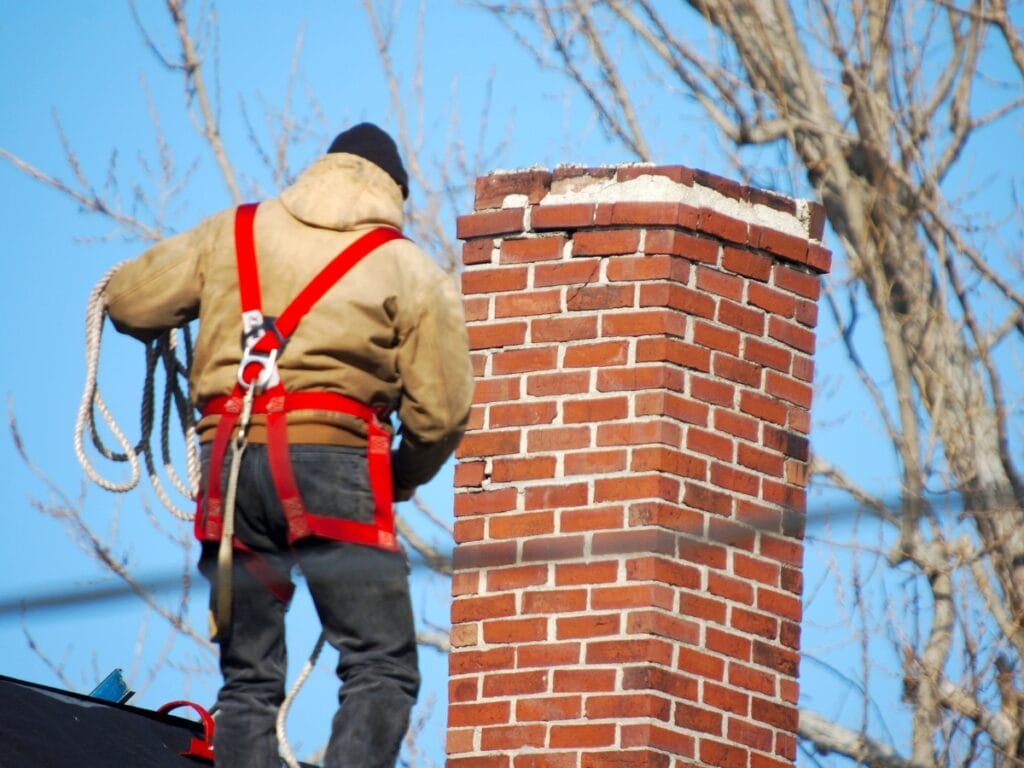
Chimney liners play a direct role in keeping a fireplace or fuel-burning appliance safer to use. Their main job is to create a contained, reliable passage for heat, smoke, and combustion gases to move out of the home. When that pathway is intact and correctly sized, the chimney drafts more consistently and the byproducts of combustion are less likely to spill back into living spaces or seep into the chimney structure.
Without that barrier, heat can transfer into masonry and nearby framing, and gases can escape through cracks, gaps, or deteriorated mortar joints. Over time, even small defects inside the flue can turn into bigger issues, especially when moisture and acidic residues are involved. This is why chimney safety conversations often come back to the same point: chimney liners are not just about performance, they are about reducing risks that can become dangerous quickly.
In What Ways Does A Proper Liner Reduce Creosote Fire Risks?
Creosote is a flammable residue that forms when wood smoke cools and condenses along the walls of the flue. The more smoke cools inside the chimney, the more creosote tends to stick. A properly installed liner helps the venting system run in a more stable way by supporting better draft and creating a smoother interior surface for exhaust to travel through. When draft is steadier, smoke moves out instead of lingering and cooling, which can help slow down creosote buildup.
A liner also adds a layer of protection if creosote does ignite. Chimney fires burn hot and fast, and the liner’s purpose is to keep that heat contained within the flue so it does not reach parts of the home that can burn. This is especially important in older masonry chimneys, where cracks or missing mortar can allow heat to reach surrounding materials. While no liner replaces the need for routine cleaning and inspection, chimney liners can reduce the chance of a preventable creosote fire by improving venting conditions and helping contain extreme heat.
How Does A Chimney Liner Protect Against Carbon Monoxide Exposure?
Carbon monoxide is one of the most serious hazards tied to venting problems because it is invisible and odorless. If the venting system is compromised, carbon monoxide can leak through damaged areas in the flue or enter the home during backdrafting, when exhaust flows the wrong direction. A chimney liner helps prevent this by keeping exhaust gases contained and directing them up and out, instead of allowing them to escape through weakened chimney surfaces.
Correct sizing matters here as well. When a liner is too large for the appliance, exhaust can cool too quickly, which can weaken draft and increase condensation. When draft is weak, smoke and gases can struggle to leave the home efficiently. A liner that matches the appliance supports more reliable airflow and reduces the likelihood of exhaust lingering in the system. Just as important, the liner has to remain intact. Corrosion, cracked tiles, separated joints, and other damage can create pathways for gases to escape, which is why ongoing inspection is part of maintaining safe performance.
Chimney Liner Types And Safety Differences
Different liner materials offer different strengths, and the best option depends on the appliance, the chimney structure, and the condition of the existing flue.
| Liner Type | Material | Safety Benefits | Drawbacks |
|---|---|---|---|
| Clay Tile | Clay | Durable and heat-resistant | Can crack over time |
| Stainless Steel | Steel | Corrosion-resistant and flexible for many chimneys | Higher cost |
| Cast-In-Place | Concrete | Seamless barrier and added structural support | More expensive and specialized installation |
Choosing the right chimney liners setup, and keeping it in good condition, is one of the most practical ways to lower fire risk and reduce the chance of carbon monoxide problems.
Conclusion
A properly installed and maintained chimney liner is not just an accessory—it’s a critical safety component that protects your home from dangerous gases, intense heat, and costly structural damage. While the chimney itself may appear sound, a compromised or missing liner poses a hidden fire risk that no homeowner should ignore. For professional inspection, repair, or installation of a new chimney liner you can trust, contact Amazing Flames. Ensure your fireplace is safe for every cozy fire. Call (770) 501-2080 or get a free quote through our site form today. Let our certified technicians provide the peace of mind your family deserves.