Tuckpointing is a specialized chimney masonry repair process that goes far beyond simple aesthetics—it’s a critical maintenance procedure that restores structural integrity, prevents water infiltration, and extends the life of your chimney.
By carefully removing deteriorated mortar and replacing it with fresh, matching material, tuckpointing addresses the cracks and gaps that can lead to serious damage like spalling bricks, internal leaks, and even collapse.
In this guide, we’ll go over tuckpointing explained, the signs that indicate your chimney needs it, and why this precise craft is essential for preserving the safety and value of your home.
Tuckpointing Explained and Why Your Chimney Needs It
What Is Tuckpointing And How Does It Relate To Chimney Masonry Repair?
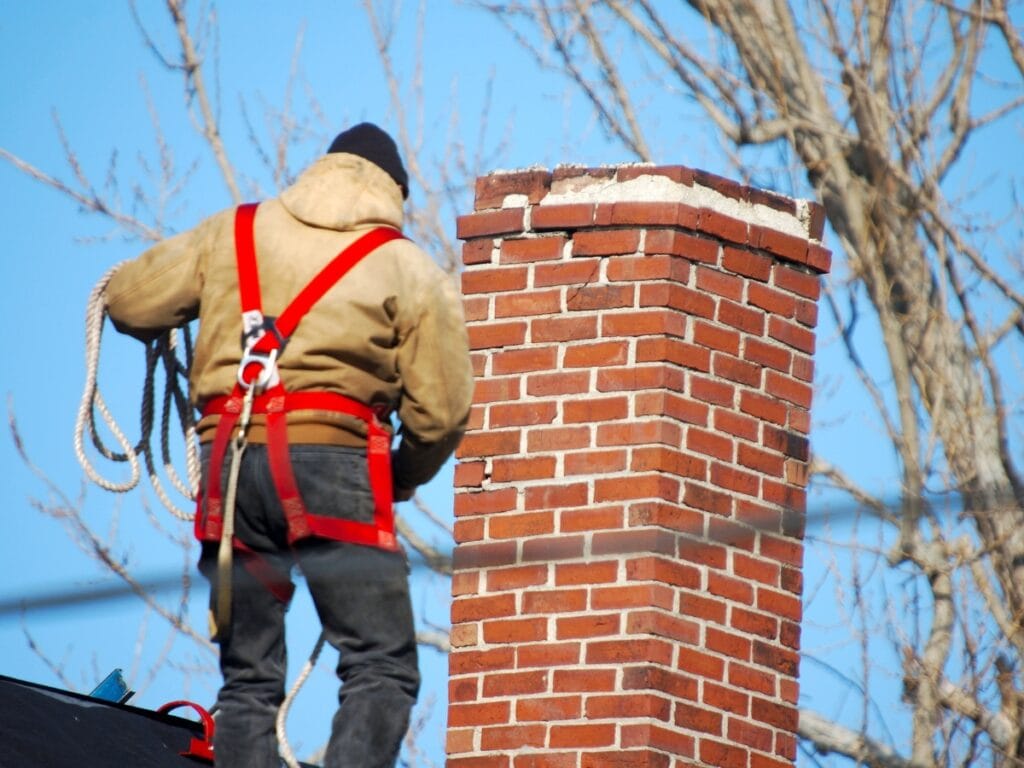
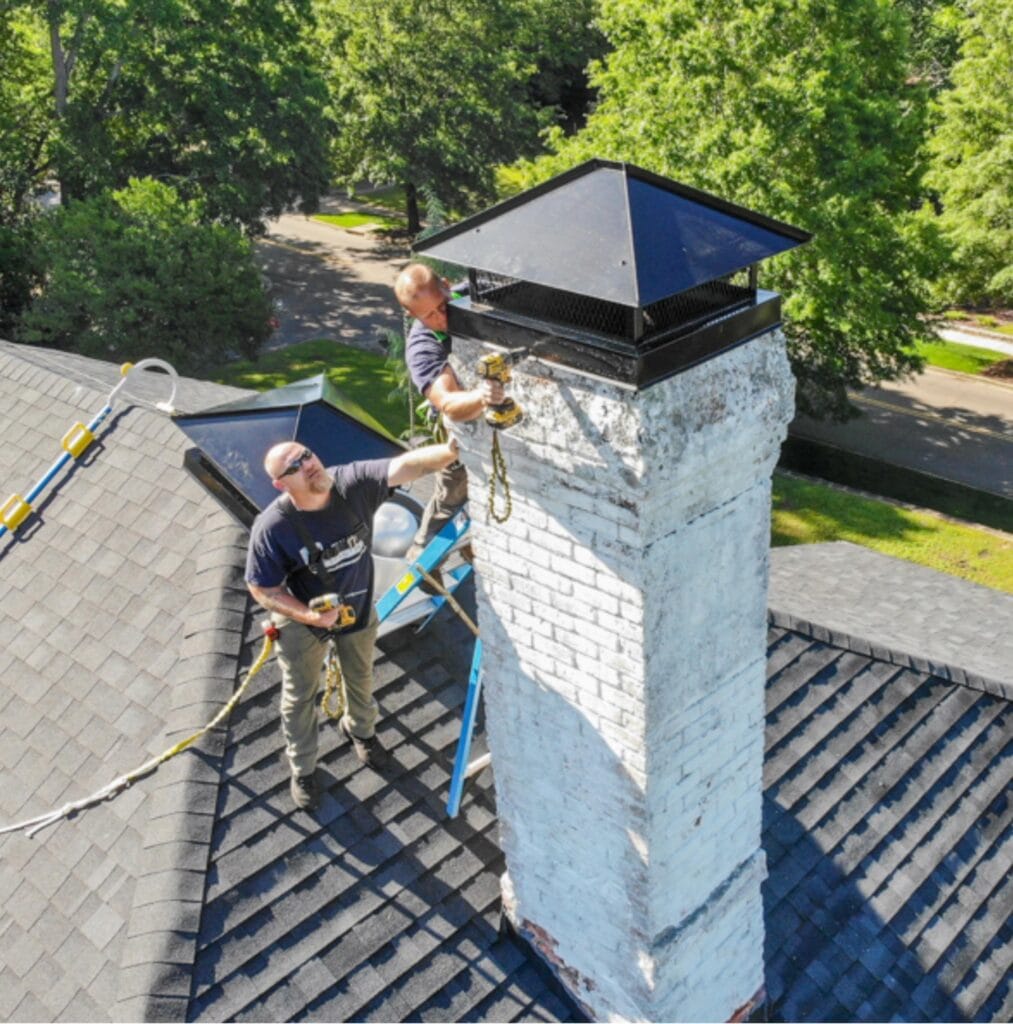
When people hear the phrase tuckpointing explained, they are usually trying to understand one basic idea: why mortar matters so much in brickwork, especially on chimneys. A chimney is exposed to constant weather, temperature changes, and moisture. Over time, the mortar between the bricks can crack, crumble, or wash out. When that happens, the brickwork loses strength, and water has an easier path into the structure. Tuckpointing is one of the most common masonry repairs used to restore those mortar joints and help the chimney stay stable, sealed, and long-lasting.
At its core, tuckpointing is the process of removing failing mortar from the joints and replacing it with fresh mortar. The goal is both functional and visual. Functionally, new mortar helps secure the bricks and reduces water infiltration. Visually, it helps restore clean, consistent joint lines so the chimney does not look patchy or neglected. If you are looking for tuckpointing explained in plain terms, think of it as resetting the “glue” that holds the brick system together.
Definition Of Tuckpointing And Repointing In Chimney Maintenance
Tuckpointing and repointing are often used interchangeably today, which can be confusing. Repointing is the more straightforward term. It refers to removing damaged mortar and packing the joints with new mortar to restore strength and protection. Tuckpointing originally described a more decorative technique, where a mortar joint is filled and then finished with a thin line of contrasting mortar to create the look of very fine, precise joints. That traditional method is still used in some restoration work, but most homeowners hear “tuckpointing” used to describe the repair of mortar joints in general.
For chimney maintenance, the difference is less about the name and more about the outcome. Both approaches focus on restoring mortar joints so the chimney can resist water, wind, and freeze-thaw damage. A good repair also matches the mortar’s color and texture as closely as possible, because mortar that stands out can make a chimney look uneven, even if the repair itself is solid.
Another important detail in tuckpointing explained discussions is mortar compatibility. Older brick chimneys may require a softer mortar mix than newer construction. Mortar that is too hard can lead to cracking or damage in the brick over time, so matching the mortar to the chimney’s age and material matters as much as the workmanship.
Why Mortar Joints Are Vital For Chimney Stability
Mortar joints are not just filler. They distribute weight, absorb movement, and hold bricks in alignment. When mortar starts to fail, the chimney can develop loose bricks, gaps, and shifting sections that become worse with each season. Even small cracks can allow moisture to get behind the brick face, which accelerates damage. Water can lead to spalling bricks, interior leaks, and, in colder months, expanding ice that breaks mortar apart further.
Regular inspections and timely repairs help prevent that chain reaction. If you catch failing mortar early, tuckpointing can often restore the joints before the chimney needs more extensive masonry work. That is why chimney professionals treat mortar repair as preventative maintenance, not just cosmetic touch-up.
In short, tuckpointing explained comes down to this: sound mortar joints keep the chimney strong, keep water out, and reduce the chance of bigger repairs later. When the mortar is intact, the chimney can do its job safely. When it is breaking down, the entire structure becomes more vulnerable, even if the bricks themselves still look solid from a distance.
What Are The Signs That Your Chimney Needs Tuckpointing Or Masonry Repair?
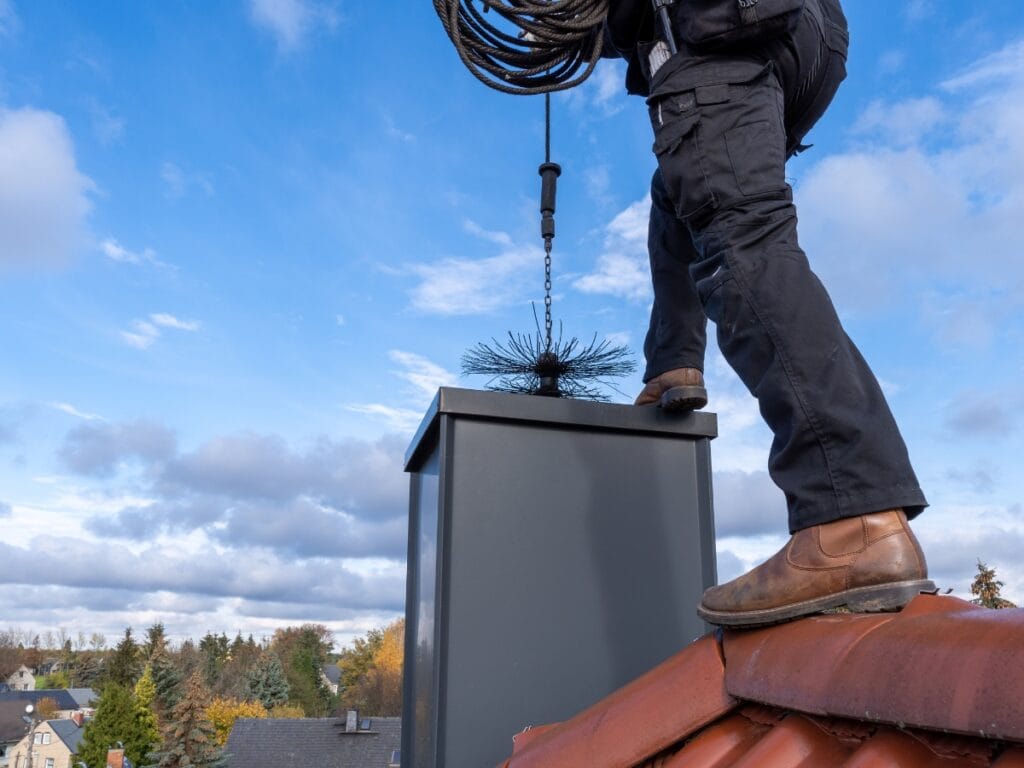
When people search for tuckpointing explained, they are often trying to figure out whether their chimney issues are cosmetic or a sign of real structural wear. Chimneys take a beating from sun, rain, wind, and temperature changes. Over time, mortar joints can weaken and bricks can start to break down, especially if moisture gets into the masonry and stays there. Catching the early warning signs matters because small mortar failures can quickly turn into larger repairs if they are ignored through another season.
The key is to look for both visible damage and performance problems. A chimney can look “mostly fine” from the ground but still be letting water in or loosening brickwork behind the scenes. If you know what to watch for, you can spot the difference between normal aging and a chimney that needs attention.
Visual Indicators To Watch For On Brick And Mortar
Cracked mortar joints are one of the clearest signs that tuckpointing may be needed. Mortar should look relatively smooth and consistent, with joints that are filled and intact. When the mortar line starts to split, crumble, or pull away from the brick edges, it usually means the joint is failing. You may also see sections where mortar has fallen out completely, leaving gaps that collect water and debris. In tuckpointing explained terms, this is the exact situation tuckpointing is meant to address: removing deteriorated mortar and replacing it to restore strength and sealing.
Spalling bricks are another red flag. Spalling happens when the face of a brick flakes, chips, or crumbles, often because moisture has penetrated the brick and then expanded during freeze and thaw cycles. Even in milder climates, repeated wetting and drying can weaken bricks over time. Once bricks begin to spall, the chimney becomes more vulnerable because the outer layer that helps shed water is breaking down.
Efflorescence is also worth paying attention to. It usually shows up as a white, powdery film on the surface of brick. Efflorescence itself is not always dangerous, but it is a sign that water is moving through the masonry and carrying salts to the surface. If you see it returning after cleaning, it often points to a recurring moisture issue that can accelerate mortar deterioration.
Functional Warning Signs That Point To Deeper Issues
Not all chimney problems show up as obvious cracks. Water leaks are one of the most serious functional signs. If you notice staining on interior walls near the fireplace, damp smells, or water in the firebox after rain, the chimney may be allowing moisture in through failing mortar joints, damaged flashing, or worn masonry surfaces. Water is one of the fastest ways to turn minor mortar issues into major repairs, which is why tuckpointing explained discussions often come back to moisture control.
Drafts and poor sealing can also signal trouble. A properly maintained chimney should not allow outside air to move through gaps in the masonry. If you feel cold air around the fireplace area or notice inconsistent performance, it may be a clue that mortar joints or brickwork are no longer tight.
Loose bricks are another issue that should be treated as urgent. If bricks shift when touched, or you see bricks that appear misaligned, the chimney may be losing structural stability. That can create safety hazards and often means the repair is no longer limited to surface work. In those cases, tuckpointing may still be part of the solution, but additional masonry repair may be needed to rebuild weakened sections.
If you are trying to make tuckpointing explained practical, focus on patterns. One small crack may not be a crisis, but multiple cracks, recurring efflorescence, visible spalling, or any signs of moisture and movement usually mean the chimney needs attention sooner rather than later.
How Is The Professional Tuckpointing Process Performed By Experts?
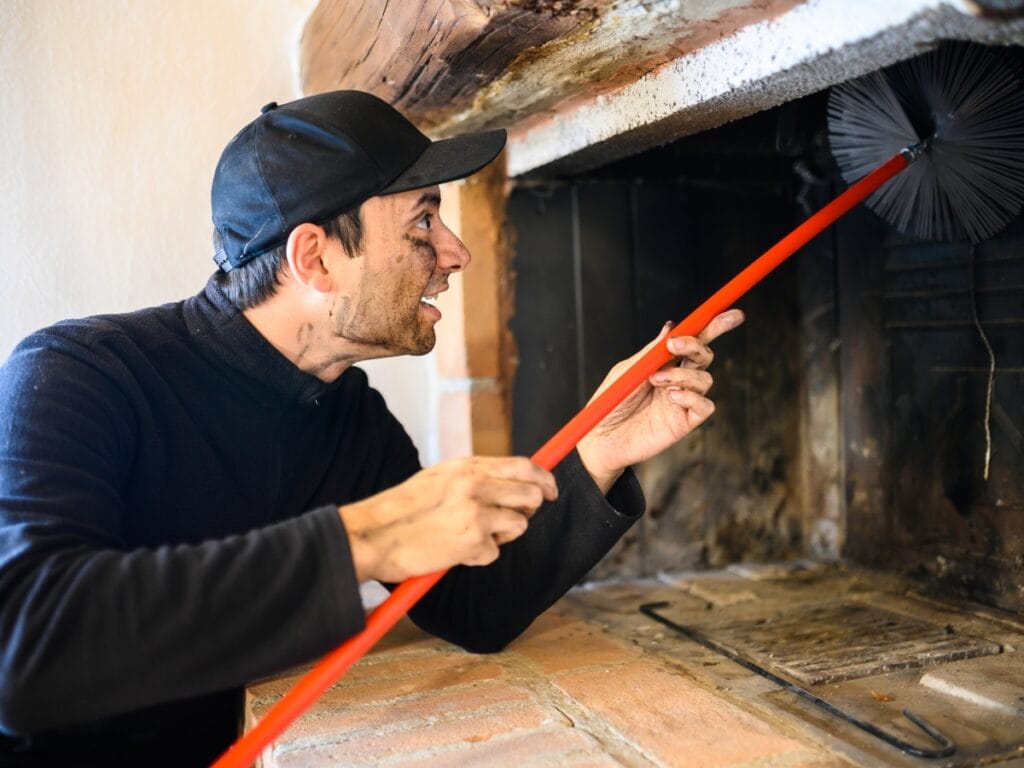
If you are searching for tuckpointing explained, it helps to understand what a quality repair looks like from start to finish. Tuckpointing is not just “adding mortar” where it looks thin. Done correctly, it is a methodical process that restores the mortar joints so the chimney stays stable, sheds water better, and holds its brickwork in place. Professionals follow a step-by-step approach because skipping steps often leads to mortar that fails early, mismatched repairs that look patchy, or joints that allow moisture to keep getting in.
A chimney is also a safety-sensitive area. It is elevated, exposed to weather, and often connects to a fireplace or venting system. That is why expert tuckpointing starts with evaluation, not guesswork.
Inspection And Damage Assessment By Trained Technicians
The first step is a full inspection to identify where mortar is failing and why. A technician looks for cracking, missing mortar, loose bricks, and signs of moisture movement, such as staining or efflorescence. They also check common problem zones like corners, the crown, and areas where the chimney meets the roofline. This assessment matters because the repair plan depends on the cause. If the mortar is failing because water is constantly getting in, replacing mortar alone will not solve the long-term issue.
This is one reason tuckpointing explained content often mentions maintenance timing. Catching joint failure early usually means the repair can be more targeted. Waiting until bricks loosen or spall can lead to larger masonry restoration work.
Mortar Removal And Joint Preparation
Once the repair areas are identified, the damaged mortar is removed. This is not a surface scrape. Professionals remove mortar to an appropriate depth so the new mortar can bond properly. If old mortar is left behind in the joint, the new material may not adhere well, which leads to premature cracking and separation.
During removal, technicians work carefully to avoid chipping the brick edges. That is especially important for older brick, which can be softer than modern material. After the joints are cleaned out, dust and debris are cleared so the new mortar goes into a clean, stable channel.
Mortar Matching And Precise Application
Mortar matching is a key part of professional work and one of the most overlooked details in DIY repairs. Mortar should be matched not only for color, but also for composition and strength. Using a mortar mix that is too hard for the brick can create stress on the masonry over time. Using the wrong texture or color can make repairs stand out in a way that looks inconsistent.
After matching, the new mortar is packed into the joints in a controlled way. The goal is full, even joints with proper compaction, not shallow fill. Professionals finish the joint to match the existing profile so the chimney looks consistent and sheds water more effectively. This is where tuckpointing explained becomes practical: the joint shape affects how water runs off, which affects how long the repair lasts.
Curing, Sealing, And Ongoing Protection
After application, the mortar needs time to cure. Proper curing helps the mortar reach its intended strength and reduces the risk of shrinkage cracks. Weather conditions matter here, since extreme heat, wind, or heavy moisture can affect cure quality. In some cases, a breathable water-repellent treatment may be applied after the mortar has cured. The goal is to reduce water absorption while still allowing the masonry to release moisture naturally. Sealing is not always necessary, and it should be chosen carefully because the wrong product can trap moisture and create new problems.
In short, tuckpointing explained comes down to careful evaluation, correct mortar removal, proper mortar matching, and patient curing. When those steps are followed, chimney mortar repairs are more likely to hold up through changing seasons and protect the brickwork for years.
What Are The Benefits Of Professional Chimney Tuckpointing Services?
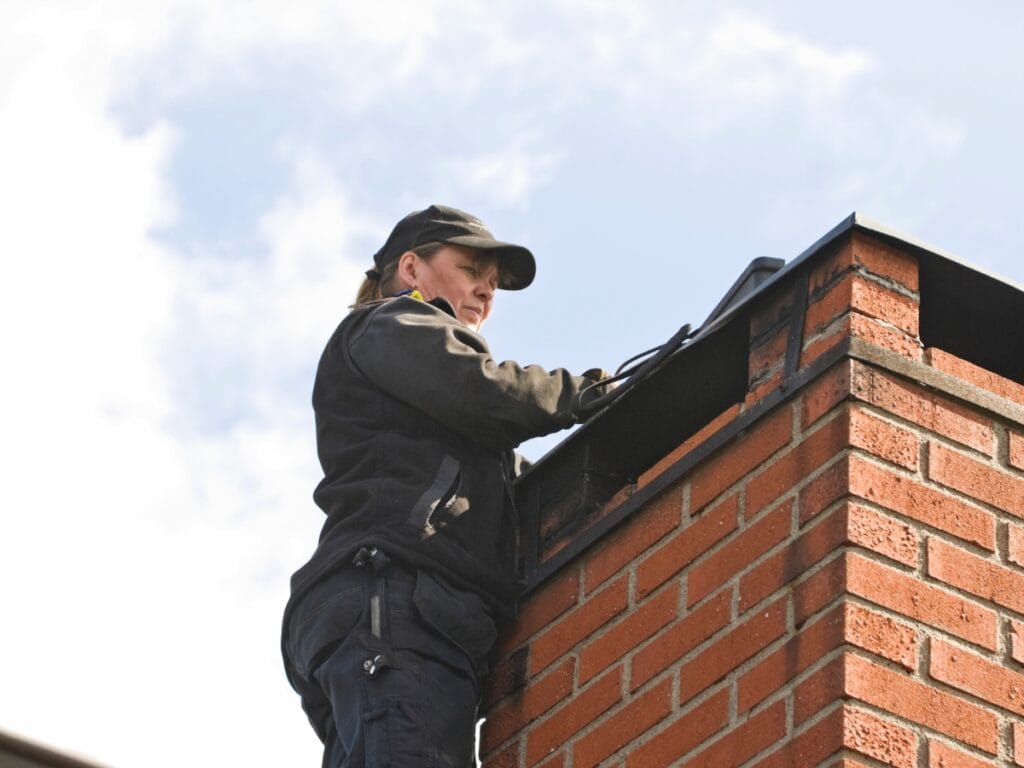
When homeowners search for tuckpointing explained, they are usually weighing one main question: is this repair worth doing now, or can it wait? With chimneys, delaying mortar work often makes problems bigger. Mortar is what locks brickwork together and helps the chimney handle wind, rain, and temperature swings. When joints start to fail, the chimney becomes more vulnerable to shifting bricks, water infiltration, and long-term structural wear. Professional tuckpointing focuses on restoring the joints the right way, which protects both the safety and appearance of the masonry.
Restoring Structural Integrity And Reducing Safety Risks
A chimney is a vertical structure that depends on sound mortar joints for stability. When mortar cracks or erodes, bricks can loosen and movement can begin, especially near corners and exposed edges. Professional tuckpointing restores the joint strength so the chimney can carry its own weight and resist pressure from wind and shifting soil. This is not just cosmetic. Mortar failure that spreads can eventually lead to leaning sections, falling bricks, or a chimney that is no longer structurally reliable. If you want tuckpointing explained in practical terms, this is the biggest benefit: the repair helps keep the brickwork locked together instead of slowly separating.
Preventing Water Damage And More Expensive Repairs
Water is one of the fastest ways to accelerate chimney damage. Once moisture gets into open joints, it can soak into the masonry, weaken mortar further, and contribute to brick surface deterioration. Even in areas with mild winters, repeated wetting and drying can cause steady breakdown. Professional tuckpointing helps close those entry points by replacing failing mortar with new mortar that is properly packed and finished. That reduces the amount of water that can move through the chimney’s joints and lowers the chances of ongoing deterioration.
Preventing moisture issues early also helps avoid the ripple effects of water intrusion. Those can include damage to interior surfaces near the fireplace, deterioration around the roofline, and the need for more extensive masonry restoration later. Tuckpointing is often far less disruptive than waiting until brick replacement or partial rebuilding is necessary.
Improving Appearance Without Making Repairs Obvious
A chimney can have solid bricks and still look worn if the mortar is discolored, missing in spots, or uneven. Tuckpointing improves curb appeal by restoring clean joint lines and creating a more uniform look. The best professional work also includes mortar matching so the repair blends with the existing masonry instead of creating bright, obvious patches. That matters if the chimney is visible from the street or is a prominent architectural feature on the home.
While appearance is not the only reason to repair mortar, it is often the first thing homeowners notice. Cleaner joint lines can make the chimney look newer and better maintained, which supports overall exterior presentation.
Extending Chimney Lifespan Through Proper Materials And Technique
Another benefit of professional work is choosing the right mortar for the chimney. Not all mortar is the same, and using a mix that is too hard or poorly matched can cause future problems. Professionals take into account the age of the chimney, the brick type, and exposure conditions. They also remove mortar to a proper depth, clean the joints, and apply new mortar in a way that promotes a durable bond.
Over time, those details add up. When tuckpointing is done correctly and issues are addressed early, it can extend the chimney’s service life and reduce how often major repairs are needed. That is the longer-term value behind tuckpointing explained: it is preventative maintenance that supports safety, performance, and the condition of the masonry for years.
How Much Does Chimney Tuckpointing Cost, And What Factors Influence Pricing?
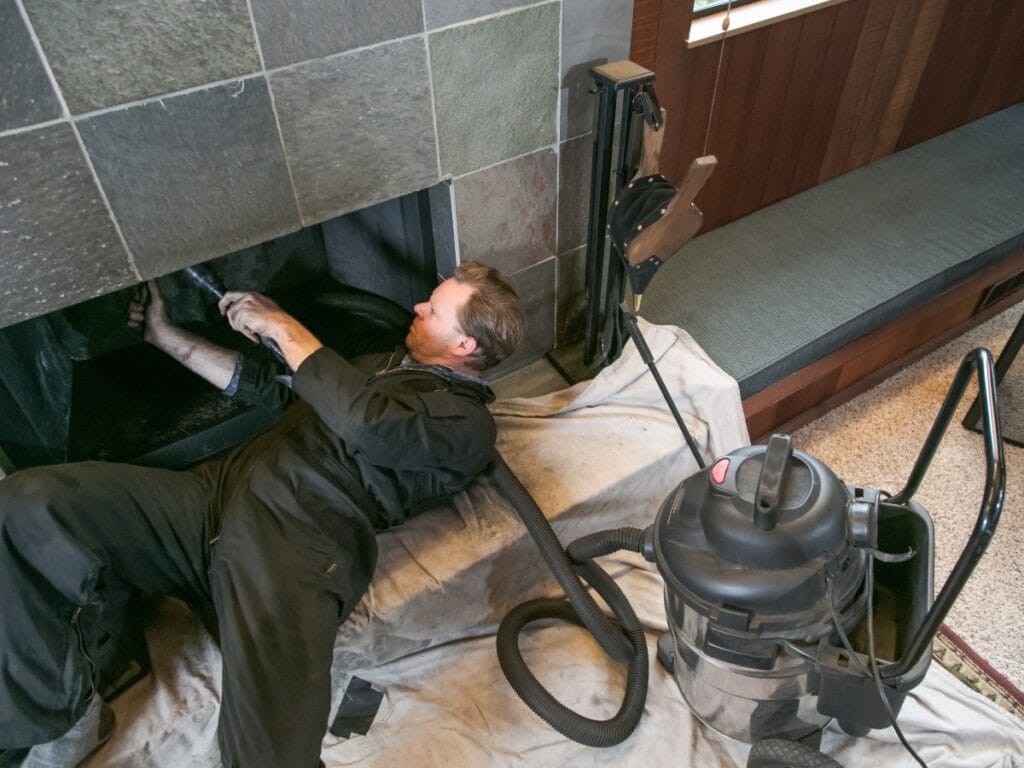
When homeowners search tuckpointing explained, cost is usually right behind the “do I need this” question. Pricing can vary widely because no two chimneys have the same exposure, damage pattern, or access challenges. A small section of worn mortar on an easy-to-reach chimney is a very different job than a tall chimney with widespread joint failure, brick deterioration, and multiple repair zones. The best way to think about cost is as a combination of labor, materials, and job complexity rather than a single flat rate.
In many markets, tuckpointing is commonly priced by the square foot because that reflects how much joint area needs to be removed and replaced. A typical range you may see for tuckpointing or repointing work is $10 to $30 per square foot, depending on the severity of the mortar damage and the detail required to match existing joints. Some companies price smaller jobs as a minimum service charge instead of a pure square-foot rate, since setup and safety equipment can take similar time even when the repair area is limited.
Average Cost Ranges For Chimney Tuckpointing
Square-foot ranges are a useful starting point, but homeowners should remember that chimneys are vertical structures, which often means higher labor cost than wall tuckpointing. Access equipment, roof safety measures, and the time required to work carefully at height can push pricing toward the higher end of the range. If a chimney needs only spot repairs in a few small sections, the total cost may still be moderate, but the minimum labor and setup can keep it from being “cheap.”
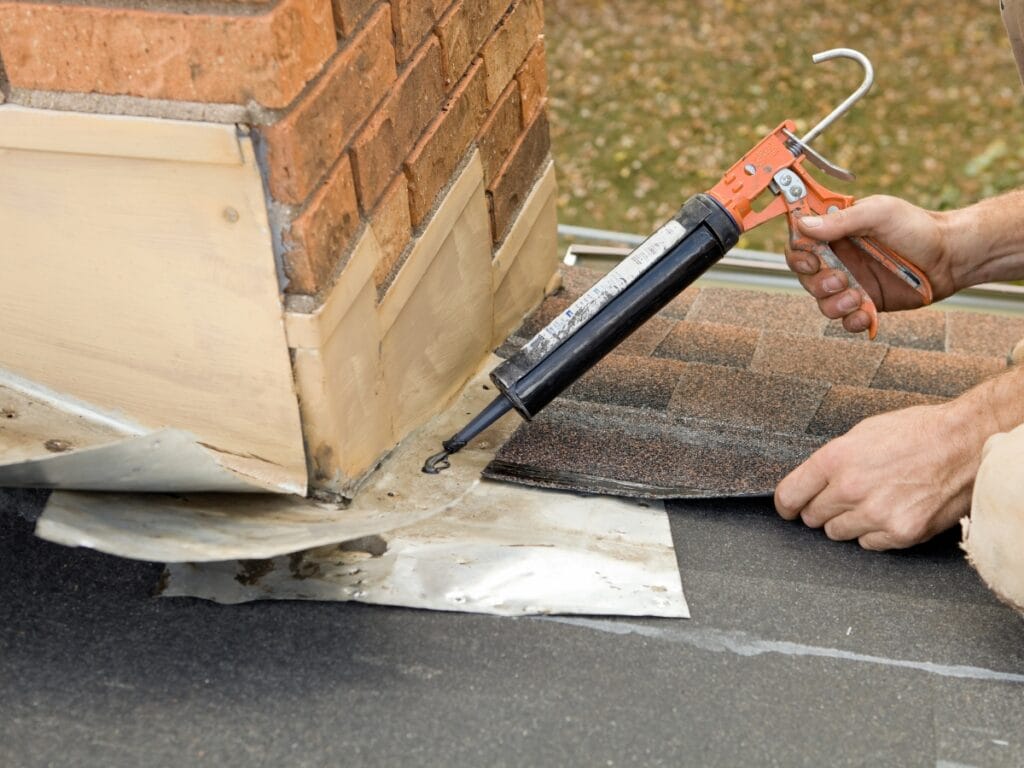
If the work involves more than mortar replacement, such as replacing damaged bricks, repairing a crown, or addressing flashing issues near the roofline, those items are typically priced separately. Even when the primary goal is tuckpointing, related repairs often come up during inspection because moisture issues tend to affect multiple parts of the chimney system.
Key Factors That Affect Pricing
The biggest factor is the extent of damage. Mortar that is lightly cracked or weathered may require less removal depth and fewer repair passes. Mortar that is crumbling, missing, or separating from the brick usually requires deeper removal and more careful rebuilding of the joint. Widespread deterioration also takes longer to complete because each joint must be cleaned out properly before new mortar is applied.
Chimney size and height also matter. A taller or larger chimney simply has more joint area, more exposure to wind and rain, and more time required for safe setup. Height can also affect staging. Some chimneys can be serviced from the roofline, while others may require specialized access equipment that increases labor and planning.
Accessibility is another major pricing driver. A chimney with steep roof angles, limited yard access, landscaping obstacles, or tight spacing near neighboring structures can take longer to reach and work on safely. More time and more safety equipment typically means higher cost.
The type of mortar and matching work also influences the price. Mortar matching is not just about color. Proper repairs consider the mortar’s composition and strength so it performs well with the existing brick. Older chimneys may require a softer mortar mix, and careful matching can take extra time, especially when the goal is a consistent look across visible areas. This is a detail that often gets overlooked in basic tuckpointing explained articles, but it has a real impact on both durability and appearance.
Finally, timing and weather can affect scheduling and labor. Mortar needs appropriate conditions to cure well, so repairs may require additional planning during very wet periods or extreme temperatures.
Overall, the most accurate estimates come from an on-site evaluation that identifies how much mortar truly needs replacement and whether moisture-related issues are contributing to the damage. That context helps you compare quotes fairly and understand what you are paying for beyond a simple square-foot number.
Why Choose Amazing Flames For Your Chimney Tuckpointing And Masonry Repair Needs?
When you are researching tuckpointing explained, it is easy to focus on the mortar process and overlook the bigger factor that determines how long the repair will last: who does the work. Chimney masonry is not the same as basic brick repair on a ground-level wall. It involves working at height, evaluating moisture pathways, and choosing mortar that will perform well with the existing brick over time. A reliable provider should have the training to spot early structural risks, the experience to match materials correctly, and the process discipline to complete repairs safely and cleanly.
Amazing Flames positions itself as a local option for chimney tuckpointing and masonry repair in Georgia, with an emphasis on experience, regional knowledge, and consistent workmanship. For homeowners who want clear expectations and durable results, those factors matter as much as the repair itself.
Certified And Experienced Technicians With Long-Term Local Experience
One of the main reasons to choose Amazing Flames is the depth of field experience behind the work. The company notes that its technicians are certified and have more than 25 years of experience in Georgia chimney services. That matters because masonry is rarely “one-size-fits-all.” Chimneys age differently depending on exposure, brick type, and how well water is managed around the structure. An experienced technician is more likely to recognize the difference between surface-level mortar wear and joints that are failing due to underlying moisture problems or shifting brickwork.
From a tuckpointing explained standpoint, good results rely on several technical details: removing mortar to the right depth, preparing joints so new mortar bonds properly, and using a mortar mix that is compatible with the chimney’s materials. Experience makes those steps more consistent, especially when the chimney has older brick or previous repairs that were not matched well.
Local Expertise For Metro Atlanta And North Georgia Conditions
Local climate and soil conditions influence how chimneys wear down. In Metro Atlanta and North Georgia, humidity, heavy rain events, and seasonal temperature swings can speed up mortar deterioration, especially when drainage and water shedding are not working as they should. Amazing Flames emphasizes local service, which can be useful because a team that works in the same region sees common patterns over and over again, such as repeated moisture intrusion near the roofline or mortar breakdown on the most weather-exposed sides of the chimney.
That local familiarity can also support better repair planning. Chimney repairs are not just about replacing mortar. They often involve identifying where water is entering and why the damage is happening in the first place. When you look up tuckpointing explained, you will see that moisture is often the root cause. A local provider is more likely to anticipate the region’s most common contributors to water intrusion and recommend repairs that address the underlying risk, not just the visible cracks.
A Focus On Safety, Workmanship, And Consistent Results
Chimney masonry repair involves ladder work, roof access, and protection of surrounding areas. Amazing Flames highlights safety and quality workmanship, which are important markers for chimney repairs because the work environment can be hazardous and the materials are unforgiving. A rushed tuckpointing job often fails early, either because mortar was not packed correctly, joints were not cleaned out well, or the wrong mortar was used.
A workmanship-focused approach also matters for appearance. Proper mortar matching and clean joint finishing help repairs blend into the existing brickwork instead of looking like a patch job. If you want tuckpointing explained in a homeowner-friendly way, the bottom line is simple: the best repair is the one that holds up through weather changes and looks consistent from the ground.
Choosing a provider with established experience, local knowledge, and careful process standards gives homeowners a better chance of getting a chimney repair that performs well now and stays reliable for the long run.
Conclusion
Tuckpointing is a vital masonry repair that does more than just improve your chimney’s appearance—it restores structural integrity, prevents water damage, and protects your entire home. While it may look like a simple cosmetic fix, proper tuckpointing requires skilled craftsmanship to ensure a lasting, watertight seal. For expert chimney masonry repairs you can trust, contact Amazing Flames. Call (770) 501-2080 or get a free quote through our site form today to schedule an inspection. Let our certified professionals ensure your chimney is safe, sound, and beautiful for years to come.