Maintaining a regular chimney cleaning frequency schedule is not just a matter of cleanliness—it’s a crucial component of home safety that prevents dangerous creosote buildup, chimney fires, and carbon monoxide risks. The frequency of cleaning depends on several factors, including how often you use your fireplace, the type of fuel burned, and the condition of your chimney liner. In this comprehensive guide, we’ll outline a clear schedule tailored to different usage levels, explain the signs that indicate an immediate need for cleaning, and provide essential safety tips to keep your fireplace operating securely and efficiently year after year.
Chimney Cleaning Frequency Schedule Every Homeowner Should Follow
Why Is Regular Chimney Cleaning Essential For Safety And Efficiency?
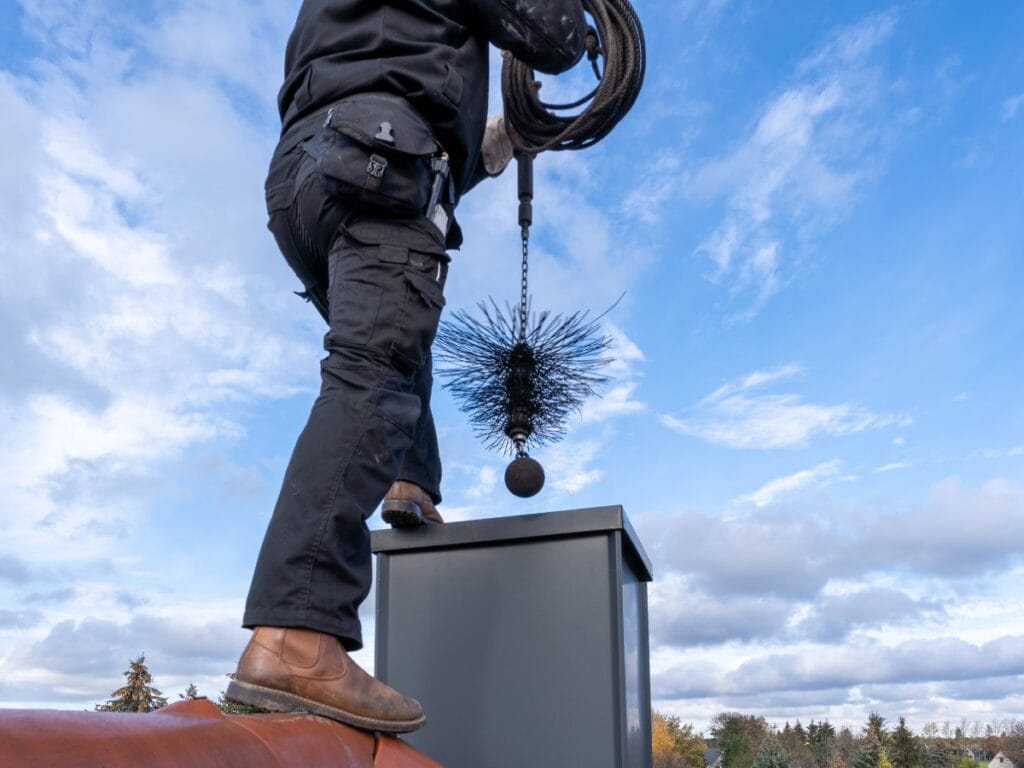
Regular chimney cleaning is one of the most important parts of keeping a fireplace or wood stove safe to use. Every time you burn a fire, small amounts of soot and creosote cling to the inside of the flue. If those deposits are not removed on a reasonable schedule, they build up and narrow the passage where smoke and gases should escape. That restriction raises the chance of a chimney fire and can also make your heating system work harder than it needs to. When the flue is clear, draft improves, fires burn more completely, and your home heats more efficiently with less smoke and odor.
Chimney cleaning frequency is not the same for every home, but the principle is always the same. A clean, open flue gives hot gases a direct pathway out of the house, which protects nearby building materials from excessive heat and keeps combustion byproducts from drifting back into the living space. Over time, consistent maintenance also helps the masonry, liner, and damper last longer, which can save money on major repairs.
What Are The Dangers Of Creosote Buildup In Your Chimney?
Creosote is the dark, sticky, or shiny residue that forms when wood smoke cools and condenses inside the chimney. At firs,t it may look like a light, flaky dust, but as it accumulates, it can turn into thick, tar-like or even glazed layers that are difficult to remove. The more creosote you have, the higher the fire risk. These deposits can ignite at relatively low temperatures and burn very intensely, sometimes cracking tiles, damaging metal liners, or spreading fire into nearby framing.
The danger is not only structural. Creosote and heavy soot can also reduce airflow enough to push more smoke and fine particles into the home. That can irritate lungs, stain walls, and create persistent odors even when the fireplace is not in use. Keeping creosote under control through an appropriate chimney cleaning frequency is a direct way to protect both the house and the people living in it.
How Does Chimney Cleaning Prevent Fires And Carbon Monoxide Hazards?
A thorough cleaning removes creosote, soot, and any debris that may have fallen into the flue, such as leaves, broken masonry, or animal nests. Once these obstructions are gone, the chimney can vent smoke and gases efficiently again. This matters because chimney fires usually begin when thick creosote layers catch fire, and carbon monoxide problems often arise when exhaust cannot move freely out of the home.
When the flue is clean, wood burns more completely, and hot gases rise quickly, which helps keep the interior surfaces warmer and less prone to fresh creosote sticking. That combination lowers the chance that a stray spark will find fuel inside the chimney and also reduces the likelihood that carbon monoxide will be pushed back into living areas. In practical terms, following a regular chimney cleaning frequency, paired with yearly inspections, is one of the simplest ways to reduce fire risk and keep your fireplace or stove operating safely throughout the heating season.
What Is The Recommended Chimney Cleaning Frequency According To Experts?
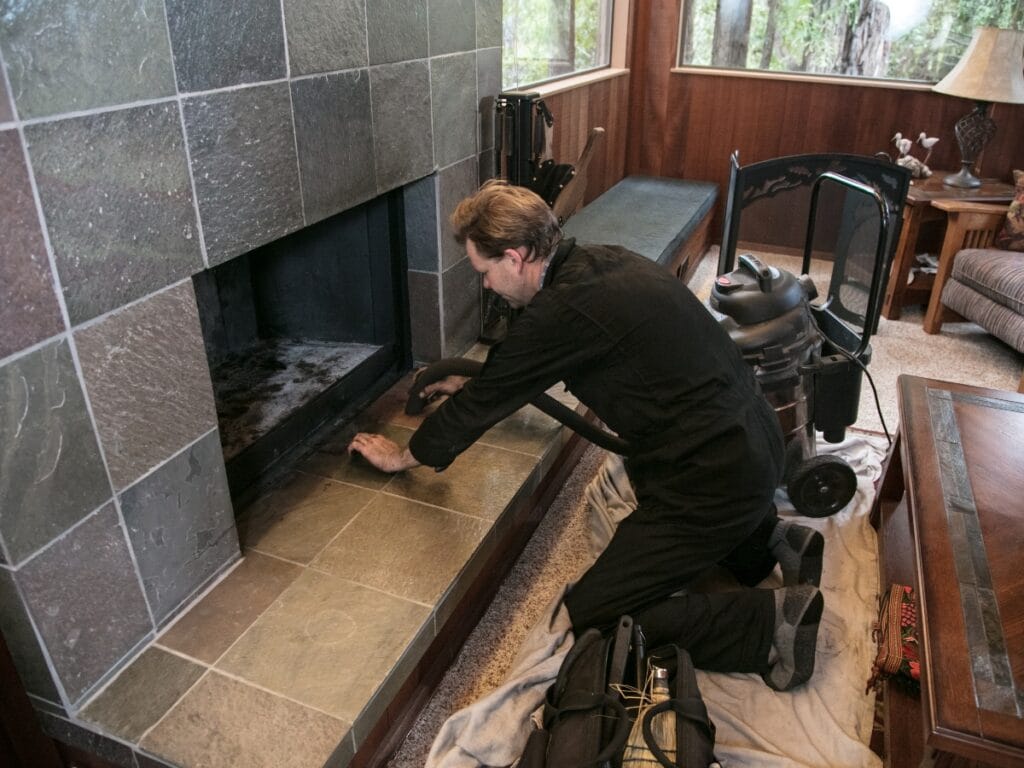
When people ask how often they should clean a chimney, the short answer from most experts is once a year. That annual appointment is usually enough for a typical household that burns wood on weekends or during a few cold spells. It gives a professional the chance to check for creosote, blockages, and structural issues before the next heating season.
Chimney cleaning frequency is really about safety more than appearance. Even if the fireplace “looks” clean, creosote can build up out of sight along the flue walls. A yearly visit keeps that buildup in check, helps your fireplace draft correctly, and reduces the risk of smoke problems or chimney fires. For many homes, pairing an annual inspection with cleaning as needed is a practical and affordable routine.
What Do NFPA And CSIA Guidelines Say About Cleaning Intervals?
Both the National Fire Protection Association and the Chimney Safety Institute of America recommend that chimneys, fireplaces, and vents be inspected at least once a year. The key word is “inspected.” During that visit, a sweep looks at the accessible parts of the system and decides whether cleaning is needed based on what they find. If there is noticeable creosote, soot, or any kind of blockage, they will recommend a full cleaning on the spot.
This approach works because chimney systems age and accumulate deposits at different rates. A wood-burning fireplace or stove that sees regular use usually needs cleaning every year. A gas appliance might not need to be swept quite that often, but it still needs to be inspected annually to catch issues like liner damage, bird nests, or venting problems. In other words, the recommended chimney cleaning frequency starts with a yearly inspection, and the actual cleaning schedule follows what that inspection reveals.
How Do Usage Patterns And Fuel Types Affect Cleaning Schedules?
How often you burn fires and what you burn have a big effect on how often you should have the chimney cleaned. A family that lights a small fire once a week during winter will create less creosote than someone who runs a wood stove every day. Heavy users often benefit from checking the chimney mid-season, especially after long cold snaps, instead of waiting for a single annual visit.
Fuel choice matters just as much. Seasoned hardwoods like oak or hickory burn hotter and cleaner, which tends to produce less creosote. Softwoods and unseasoned (wet) wood create cooler, smokier fires and more residue along the flue. If your wood supply is not fully dry, or you notice a lot of smoke rolling into the room when you start a fire, it is smart to assume you will need more frequent cleaning.
Gas fireplaces and inserts usually leave less visible residue, but they are not maintenance-free. Dust, small animals, and moisture can still cause trouble inside a gas flue. That is why experts still recommend a yearly inspection, even if sweeping is not needed every single time.
In practical terms, think of chimney cleaning frequency as a range instead of a fixed rule. Light, occasional use with well-seasoned wood may be fine with one cleaning a year. Heavy or daily burning, or burning less-than-ideal fuel, often justifies an additional check and possible cleaning during the season. Paying attention to your own usage patterns, along with professional advice, is the best way to set a schedule that keeps your home safe and your fireplace working the way it should.
What Are The Signs That Indicate Your Chimney Needs Cleaning?
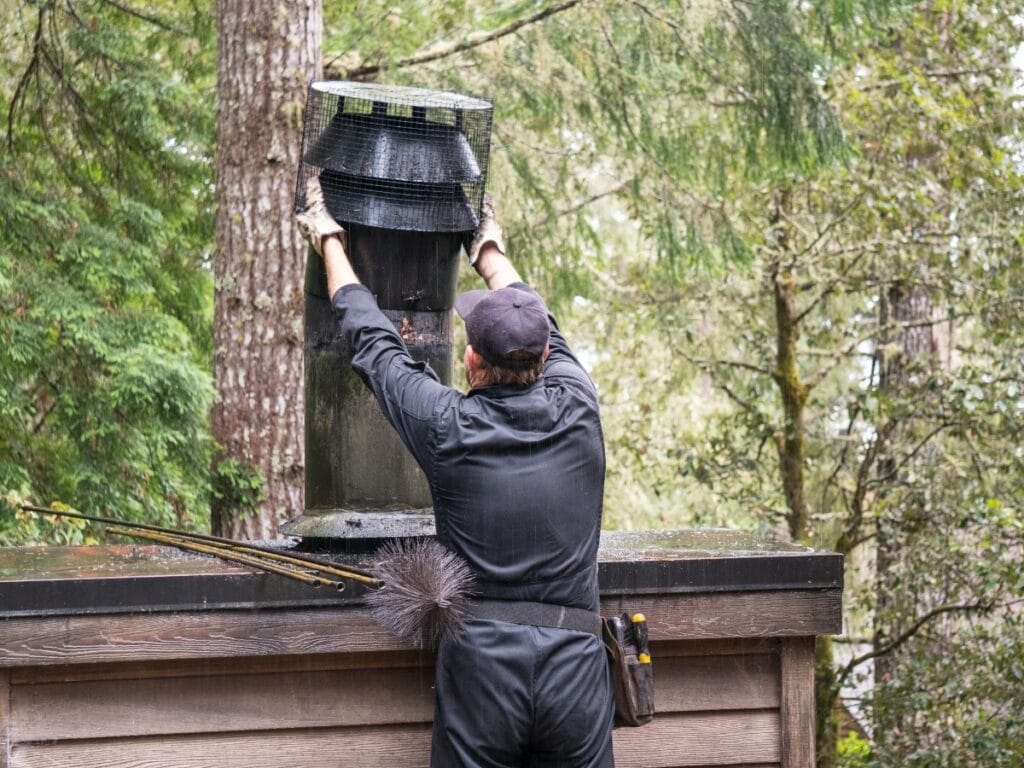
Most homeowners do not think about chimney cleaning frequency until something feels off when they light a fire. Your fireplace and chimney usually give you several early clues that it is time to schedule a cleaning. Paying attention to those small changes can prevent smoke problems and reduce the risk of a chimney fire.
One of the most common signs is smoke drifting into the room instead of drawing smoothly up the flue. If you have always had a good draft and now smoke lingers or spills into the living space, that often points to a partially blocked or heavily coated flue. Another red flag is an increased, sharp, or acrid odor coming from the fireplace, especially on warm or humid days when the fireplace is not in use. That lingering smell can be a sign that creosote and soot have built up on the chimney walls.
You may also notice changes in how your fires behave. If logs are hard to light, seem to smolder instead of burning cleanly, or go out more easily than they used to, the airflow through the chimney may be restricted. Excessive ash or fine black dust collecting on the hearth, nearby walls, or furniture can point to poor draft and a dirty flue. Glass doors that turn dark quickly after only a few fires are another practical indicator that chimney cleaning frequency should increase.
Unusual sounds can also be a warning sign. Scratching, chirping, or rustling may mean birds, animals, or nesting materials are inside the chimney, which can block airflow and create a fire hazard. In winter, cold air dropping down the chimney more than usual or noticeable downdrafts when the fireplace is not in use can suggest that the flue is partially obstructed or not venting correctly.
How To Identify Creosote Buildup And Draft Issues
Creosote is one of the main reasons experts stress regular chimney cleaning frequency. It forms as a sticky or hardened residue from wood smoke and can be highly flammable. With the fireplace cold, use a flashlight to look up into the flue, or carefully open the damper and check the visible surfaces. If you see a shiny, glassy coating, or thick, tar-like deposits you can scrape with a fire poker, your chimney likely needs prompt professional cleaning. Even a rough, flaky layer more than a thin coating is a sign that buildup has gone beyond what is considered safe for regular use.
Soot accumulation is easier to spot but just as important. Heavy black deposits around the damper, smoke shelf, or firebox opening, plus fine black dust falling when you open the damper, are strong indicators that airflow is carrying residue back into the room instead of venting it outside. This often goes hand in hand with stubborn smoke and an uneven flame pattern.
Draft issues usually show up when you try to start a fire. If smoke hesitates at the opening or spills out before it begins to rise steadily, the flue may be partially blocked by creosote, soot, debris, or even a fallen flue tile. A noticeable smell of smoke in nearby rooms after the fire is out is another sign that the chimney is not venting well.
When you see several of these symptoms together, it usually means your current chimney cleaning frequency is too low for how often you use the fireplace and the type of wood you burn. Treat these signs as a cue to have the system inspected and cleaned so you can use your fireplace with confidence for the rest of the season.
Why Should You Choose a Professional Chimney Sweep for Cleaning?
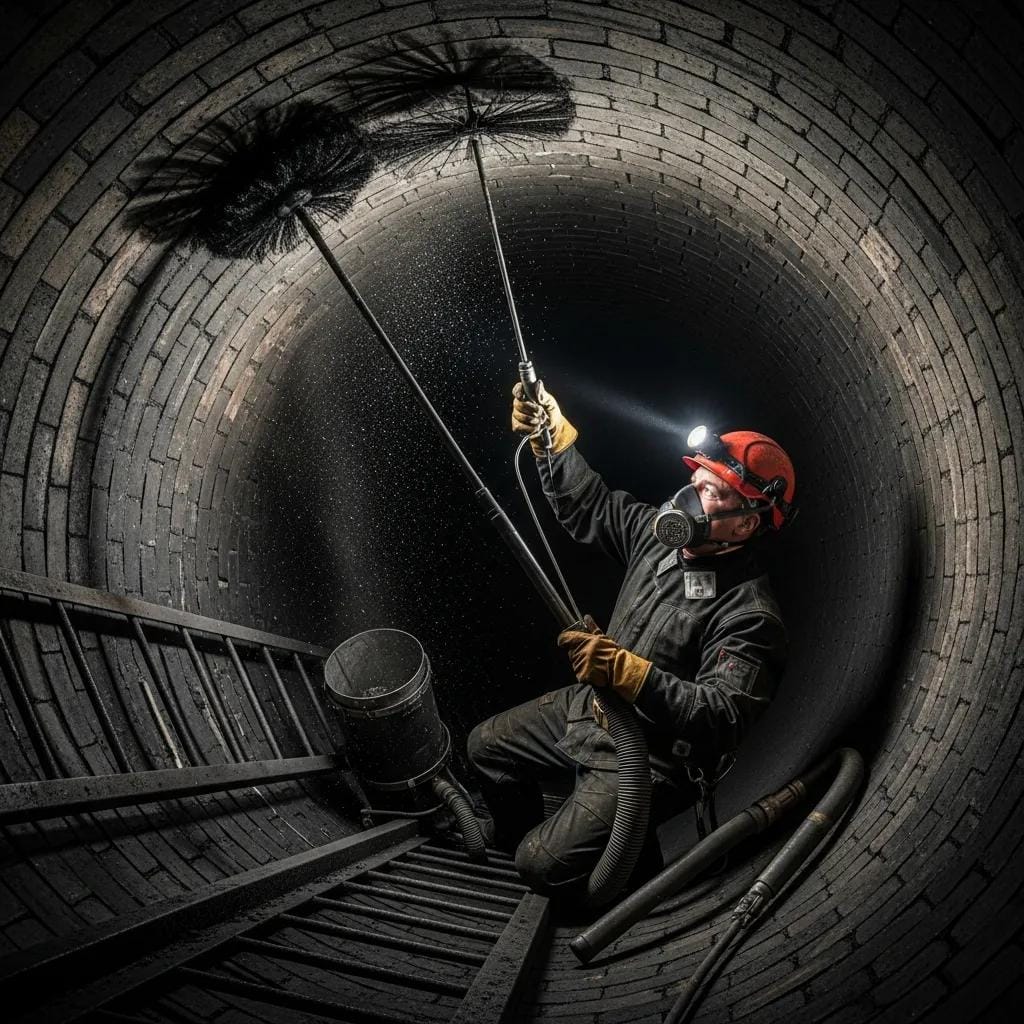
When you are thinking about chimney cleaning frequency, who does the work matters just as much as how often it is done. A professional chimney sweep is trained to clean the flue safely, recognize early warning signs of damage, and spot issues a homeowner is likely to miss. That includes hairline cracks in the liner, loose masonry, gaps around the smoke chamber, or signs of past chimney fires that are not obvious from the fireplace opening.
Professionals also know how different fuels, appliances, and venting setups affect creosote formation. Someone who understands how chimney cleaning frequency changes between a wood stove used every night and a gas insert used occasionally can give practical, tailored advice instead of a one-size-fits-all answer. The result is a cleaner system, better draft, and fewer surprises when heating season is in full swing.
What Risks Are Associated With DIY Chimney Cleaning?
DIY chimney cleaning often looks straightforward from the ground, but the risks become clear once you are on a roof with tools and loose soot. Falls are an obvious concern, especially on steep or wet roofs. Even inside the home, working above shoulder height on a ladder with brushes and rods can lead to accidents if you are not used to it.
There is also a technical risk. Without the right brushes, rods, and vacuums, it is easy to pack creosote farther up the flue instead of removing it, or to scratch and damage a stainless liner. Many homeowners only clean the visible section and assume the chimney is fine, even though the heaviest deposits often sit higher in bends, offsets, or at the top of the flue. That false sense of security can be more dangerous than knowing the system needs attention.
DIY work rarely includes a full safety check of clearances to combustibles, chimney crown condition, or cap performance. All of those factors play a role in how often you should schedule chimney cleaning and in how safely your system runs between visits. When you weigh the time, equipment cost, and risk, a professional sweep usually offers better value and peace of mind.
What Does A Professional Cleaning And Level 1 Inspection Include?
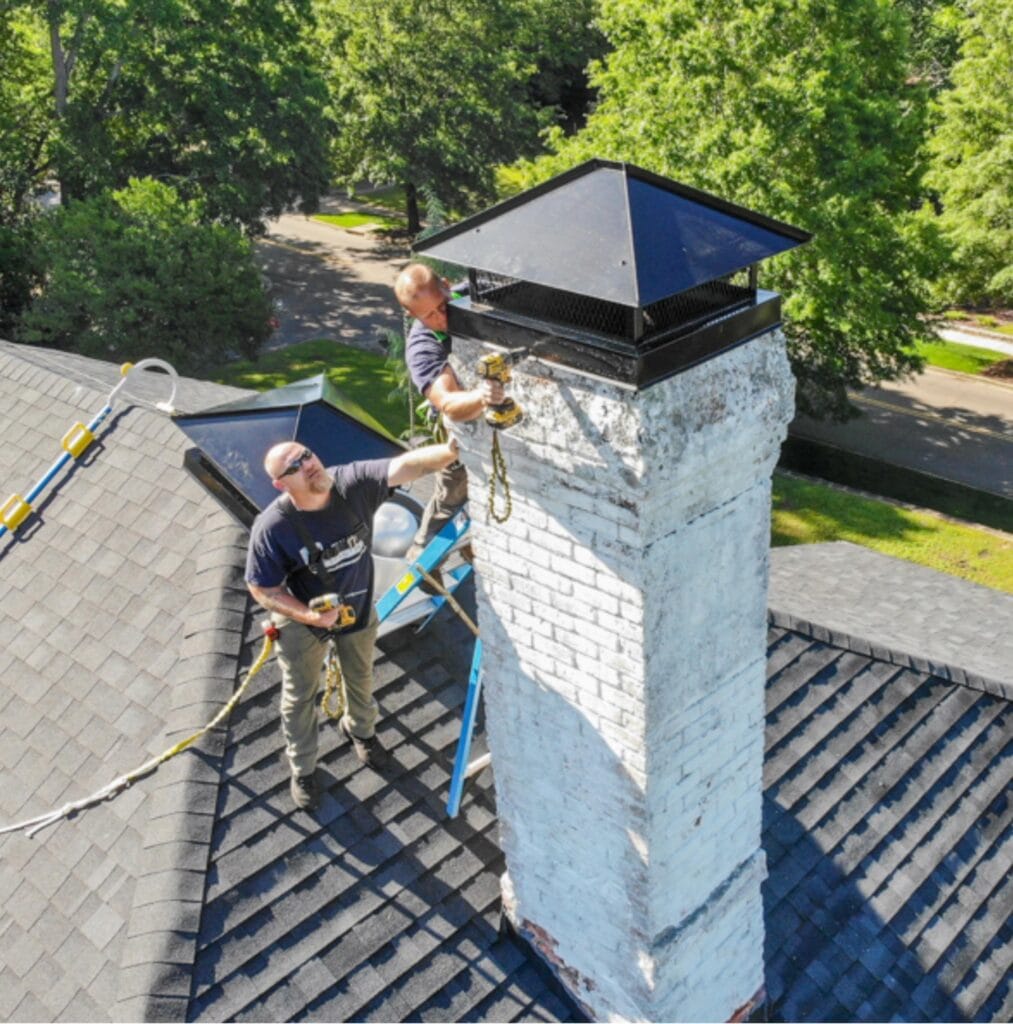
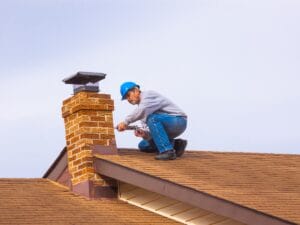
A standard professional cleaning paired with a Level 1 inspection follows a structured checklist. The sweep will begin with a visual review of readily accessible parts of the system, starting in the firebox and moving up to the smoke chamber, damper area, and visible flue sections. From the roof or top access, they check the crown, cap, and exterior masonry or metal to look for cracks, missing mortar, rust, or loose components.
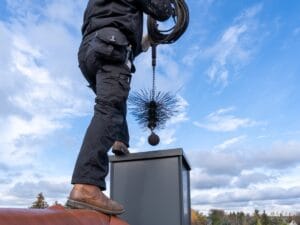
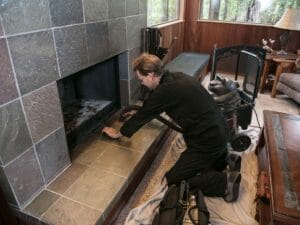
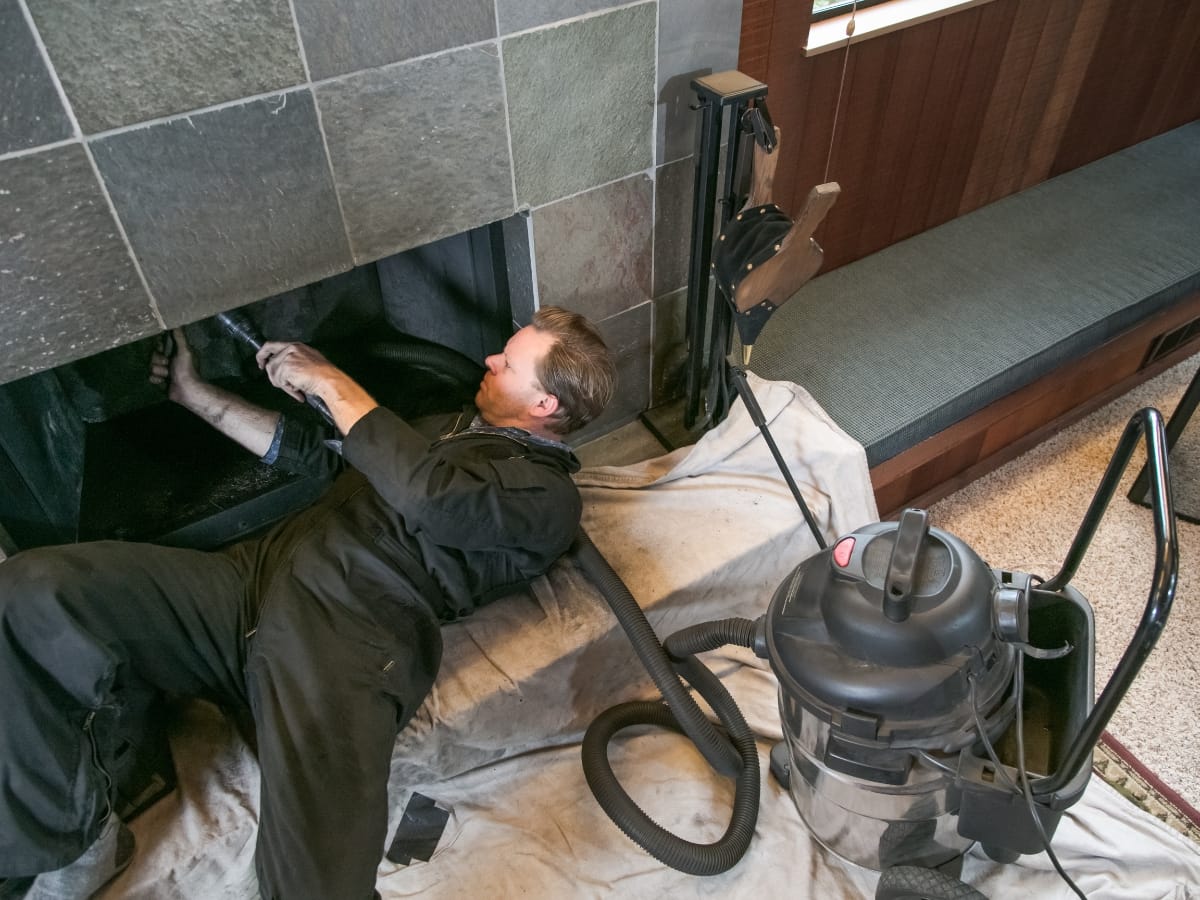
During the cleaning itself, the technician uses appropriately sized brushes and rods to remove soot and creosote from the flue, usually while a high filtration vacuum controls dust in the living space. They clear the smoke shelf, check the damper for smooth operation and sealing, and remove debris such as bird nests or leaves that can block airflow. In many cases, they also document findings with photos so you can see what was removed and where any concerns exist.
At the end of a visit, you should receive a clear summary of your chimney’s condition, notes on any repairs or monitoring items, and practical guidance on chimney cleaning frequency based on how you use your fireplace. That combination of cleaning and targeted inspection keeps the system safer, makes day to day use more predictable, and helps you plan future maintenance before small issues turn into costly problems.ent of the overall condition of the chimney. A Level 1 inspection, which is the most basic type, involves checking the accessible parts of the chimney and ensuring that it is free of obstructions. This comprehensive approach helps maintain the safety and efficiency of your chimney system.
How Often Should You Schedule Annual Chimney Inspections And What Do They Cost?
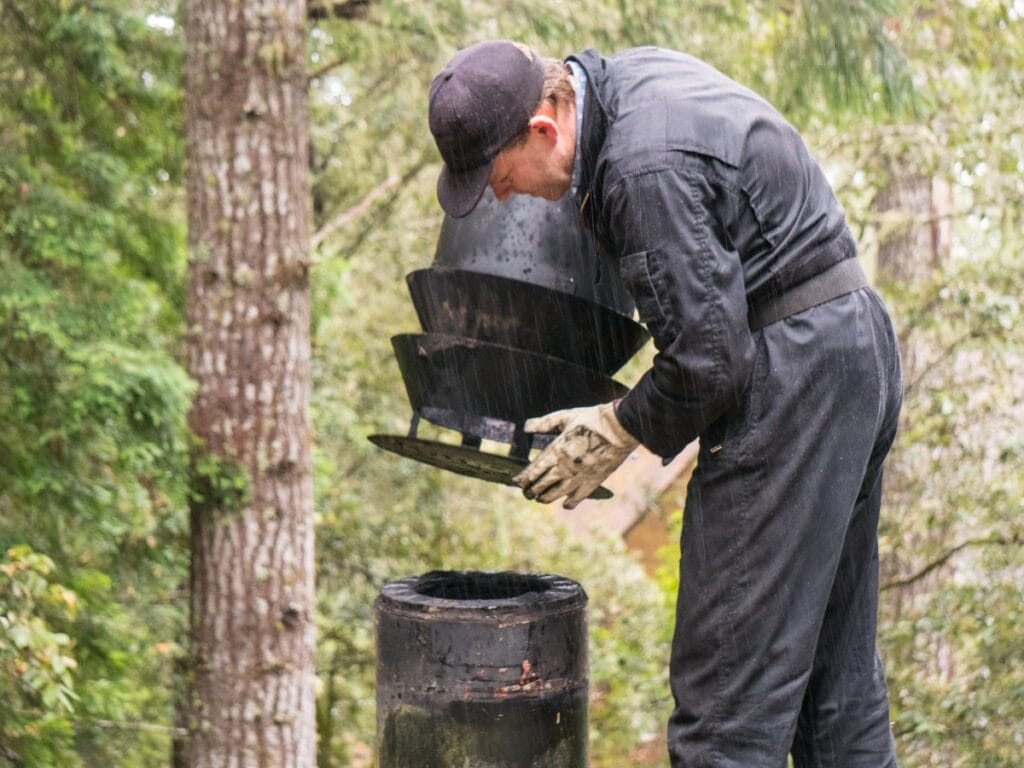
When you are thinking about chimney cleaning frequency, it helps to start with inspections. Most homes do well with a full chimney check at least once a year, even if the fireplace is only used during colder months. An annual inspection gives a technician the chance to spot creosote buildup, animal nests, cracked masonry, and liner damage before those issues turn into safety problems or expensive repairs. If you burn wood heavily during winter, or if you use a wood stove as a main heat source, you may want to pair that yearly inspection with more frequent cleanings based on how quickly deposits form.
It is also smart to schedule an inspection any time something changes in the system. That includes installing a new insert, switching fuel types, rebuilding part of the chimney, or experiencing a chimney fire or severe storm damage. In practice, chimney cleaning frequency and inspection timing often go hand in hand, since a sweep will typically inspect as they clean and then recommend the next visit based on what they find.
What Are The Different Inspection Levels And Their Benefits?
Chimney professionals generally follow three tiers of inspection, each with a different depth and purpose. A Level 1 inspection is the basic option and is appropriate when you have not changed your system and there are no specific concerns. The technician examines all readily accessible parts of the chimney, firebox, and flue that can be seen without special tools or removing components. This level is often combined with routine cleaning and is designed to confirm that the system appears sound and ready for regular use.
A Level 2 inspection goes further and is recommended during real estate transactions, after system changes, or following events such as a chimney fire. It includes everything in Level 1 plus video or camera scans of the flue interior and checks of spaces that are accessible but not normally opened. This provides a more complete view of hidden cracks, gaps, or prior damage. Level 3 inspections are the most extensive and are reserved for serious concerns, where parts of the structure may need to be removed or opened to diagnose a problem. While most homeowners will only need Level 3 in rare situations, knowing that these levels exist makes it easier to understand what you are paying for and why a particular inspection has been recommended.
What Is The Typical Cost Of An Annual Chimney Inspection In Metro Atlanta?
In Metro Atlanta, a basic annual chimney inspection usually falls in a range that starts around the lower hundreds and can climb toward three hundred dollars as the scope expands. A straightforward Level 1 inspection that is paired with routine sweeping will often sit at the lower end of that range, especially for a single, easily accessed flue. Costs rise with added complexity, such as tall or hard-to-reach chimneys, multiple flues, or the need for camera work and detailed documentation. Level 2 inspections generally cost more because they take longer and require specialized equipment, while Level 3 investigations are priced according to the labor and repairs involved.
Even though these costs can feel like another line in the home maintenance budget, they are modest compared to the price of repairing fire damage, replacing a failed liner, or dealing with smoke and carbon monoxide issues. A clear understanding of chimney cleaning frequency, combined with the right inspection level for your situation, helps you budget realistically and keep your fireplace or stove running safely season after season.
How Can You Maintain Your Chimney Beyond Cleaning to Ensure Longevity?
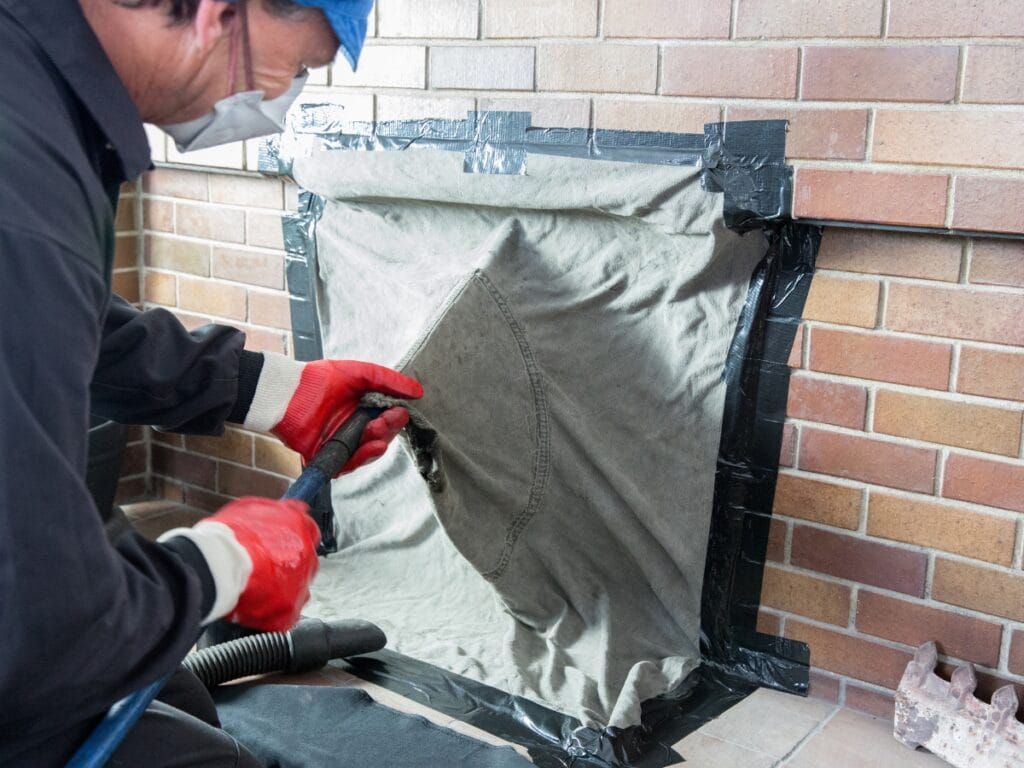
Staying on top of chimney cleaning frequency is only part of keeping your fireplace system in good shape. Even with regular sweeping, small problems can build up over time if the structure, liner, and burning habits are ignored. Looking at the whole system, instead of just the soot inside the flue, is what really protects your home and helps the chimney last longer. Routine visual checks from the ground, paired with professional inspections, give you a clearer picture of what is happening above the roofline and inside the flue.
What Are Common Chimney Problems And Repair Needs?
Some chimney problems are obvious, like missing bricks or mortar joints that are starting to crumble. Others are easy to miss until they turn into bigger issues. Hairline cracks in the liner, loose or spalling bricks, gaps in the crown, and rusted metal components can all affect performance and safety. Moisture is a common culprit. When water finds its way into the masonry, winter freeze and thaw cycles can widen cracks and weaken the structure. Over time, that same moisture can damage the liner and shorten the life of the chimney.
Regular inspections work alongside your chosen chimney cleaning frequency to catch these issues early. A sweep or inspector may notice stains on the exterior brick that point to water leaks, or unusual wear inside the flue that suggests high heat or past chimney fires. Addressing small repairs, such as tuckpointing the mortar, sealing a cracked crown, or replacing a worn liner section, is usually far more affordable than waiting until there is major structural movement or smoke escaping into living spaces.
How Do Chimney Caps And Proper Burning Techniques Help Prevent Issues?
A quality chimney cap is one of the simplest ways to protect the system beyond basic cleaning. Caps keep rain, leaves, and small animals out of the flue, all of which can cause blockages, odors, and moisture damage. By limiting how much water enters the chimney, a cap helps preserve both the masonry and the liner, which supports a safer and more predictable chimney cleaning frequency over the life of the system. Without a cap, even a well-maintained flue can deteriorate faster than expected.
Burning habits matter just as much. Using seasoned hardwood, avoiding trash or treated wood, and building smaller, hotter fires support cleaner combustion. Hot, efficient fires produce less creosote, which means less frequent heavy scraping and a lower chance of thick, glazed deposits. Good burning practice and a sensible chimney cleaning frequency work together. If you consistently burn wet wood or choke the fire to keep it smoldering, no amount of sweeping will fully offset the extra wear and tear on the flue.
How Can A Simple Maintenance Routine Extend Chimney Life?
Beyond scheduling professional service, homeowners can follow a simple routine to support chimney health between visits. That might include checking the firebox and hearth for loose bricks, looking at the exterior stack for staining or leaning, and listening for new noises when the wind picks up, which can suggest a loose cap or flashing. Keeping records of burning habits and each inspection also helps. When you understand how often you burn and how quickly creosote tends to form, you can adjust your chimney cleaning frequency instead of guessing.
Taken together, these habits turn cleaning from a once-a-year chore into part of a broader maintenance plan. A smart mix of inspections, caps, good fuel choices, and timely repairs can add years to the life of your chimney, improve heating performance, and make your fireplace a safer, more reliable part of your home.
Conclusion
Adhering to a proper chimney cleaning schedule is one of the most important steps you can take to protect your home from fire hazards and ensure your fireplace operates safely and efficiently. While annual inspections are a minimum, the right frequency depends on your usage and fuel type. For expert cleaning, thorough inspections, and professional peace of mind, trust Amazing Flames. Our certified technicians ensure your chimney is clear, safe, and ready for every cozy fire. Don’t let creosote build up. Call (770) 501-2080 or visit our website for a free quote today to schedule your essential chimney service. Safety and warmth start with a clean chimney.