Building a cozy, crackling fire in your fireplace starts with two critical elements: practicing safe ignition techniques and selecting the right firewood. A proper, safe fire not only provides warmth and ambiance but also minimizes the risks of chimney fires, smoke backdraft, and dangerous creosote buildup. In this guide, we’ll walk you through essential safety steps to start fireplace fire correctly and explain how to choose seasoned, clean-burning firewood to ensure efficient heat, less smoke, and a safer experience for you and your home.
Start Fireplace Fire Without Smoke or Stress
Key Steps To Prepare Your Fireplace For A Safe Fire
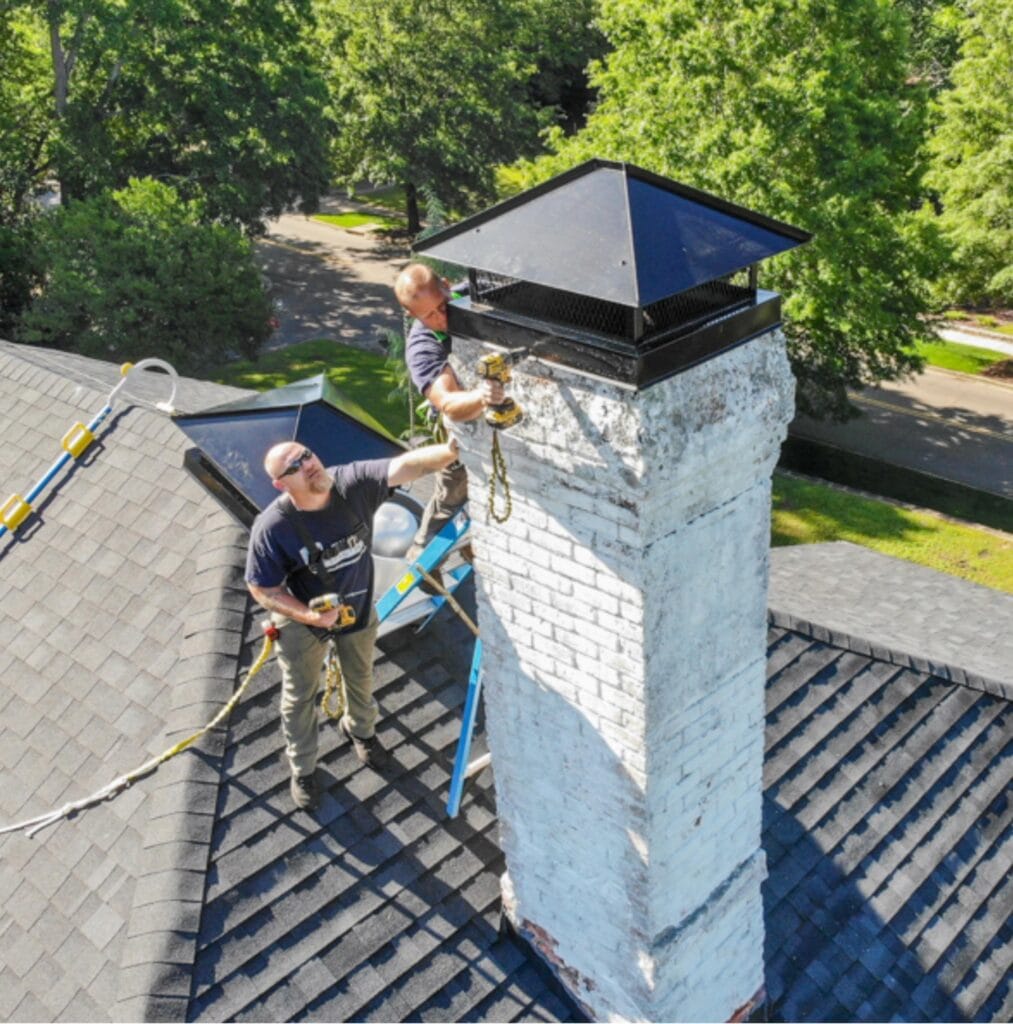
Before you start fireplace fire season in your home, it helps to treat the fireplace like any other heating appliance that needs regular care. A safe, easy-to-light fire starts with a clean chimney, a working damper, and a firebox that is free of leftover ash and debris. When those basics are in place, the fire draws better, produces less smoke, and is far less likely to cause problems in the rest of the house. Taking time to prepare ahead of time also makes it easier to relax once the flames are going, instead of worrying about smoke or strange smells.
A good preparation routine usually begins long before you strike a match. That means keeping up with chimney inspections, clearing out old ash, checking that the flue is open and moves freely, and making sure you are using properly seasoned firewood rather than scraps or treated lumber. Thinking through these steps as part of your personal chimney inspection checklist turns them into a habit rather than a once-a-year scramble.
How Often Should You Schedule A Professional Chimney Inspection?
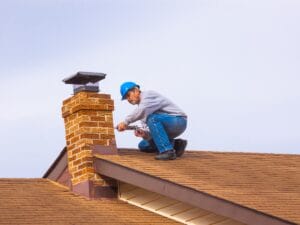
For most households, a professional chimney inspection once a year is the baseline. If you use the fireplace heavily through the winter, or if you burn softwoods that tend to leave more residue, you may want to schedule an inspection and cleaning more often. A yearly visit allows a technician to check for creosote buildup, loose or damaged masonry, and any nesting or debris that could block the flue.
Between professional visits, pay attention to early warning signs. Smoke that lingers in the firebox or drifts into the room, strong smoky or sour odors even when the fireplace is not in use, or visible soot streaks around the opening can all signal that it is time to bring in a professional sooner than planned. Including these observations in your regular chimney inspection checklist helps you catch problems while they are still minor, instead of waiting until a cold night when the fireplace will not draw properly.
How Does Proper Damper Operation Affect Fireplace Safety?
The damper is the moving part that often gets overlooked, but it plays a central role in whether you can safely and comfortably start fireplace fire in your living room. When the damper is fully open, it lets smoke and combustion gases move up and out of the chimney while pulling fresh air in to feed the flames. If it is closed or only partially open when you light a fire, the smoke has nowhere to go and will spill back into the room. That is not just unpleasant; over time it can create stains on walls and ceilings and increase indoor air quality concerns.
Before each use, confirm that the damper moves freely from fully closed to fully open and that you know which position is which. Many homeowners like to do a quick draft test by briefly holding a lit match or a small slip of burning paper near the opening and watching which direction the smoke travels. If the smoke rises cleanly into the flue, airflow is working; if it drifts into the room, stop and troubleshoot before adding wood.
Clearing out excess ash and debris from previous fires also helps the damper and flue do their job. A thin layer of ash on the floor of the firebox is fine, but a deep bed of ash can restrict airflow and make it harder for logs to catch. By combining regular professional inspections, a simple chimney inspection checklist of your own, and consistent damper checks before lighting up, you set yourself up for a fireplace that starts easily and burns safely all season long.
Which Firewood Types Are Best for a Safe and Efficient Fireplace Fire?
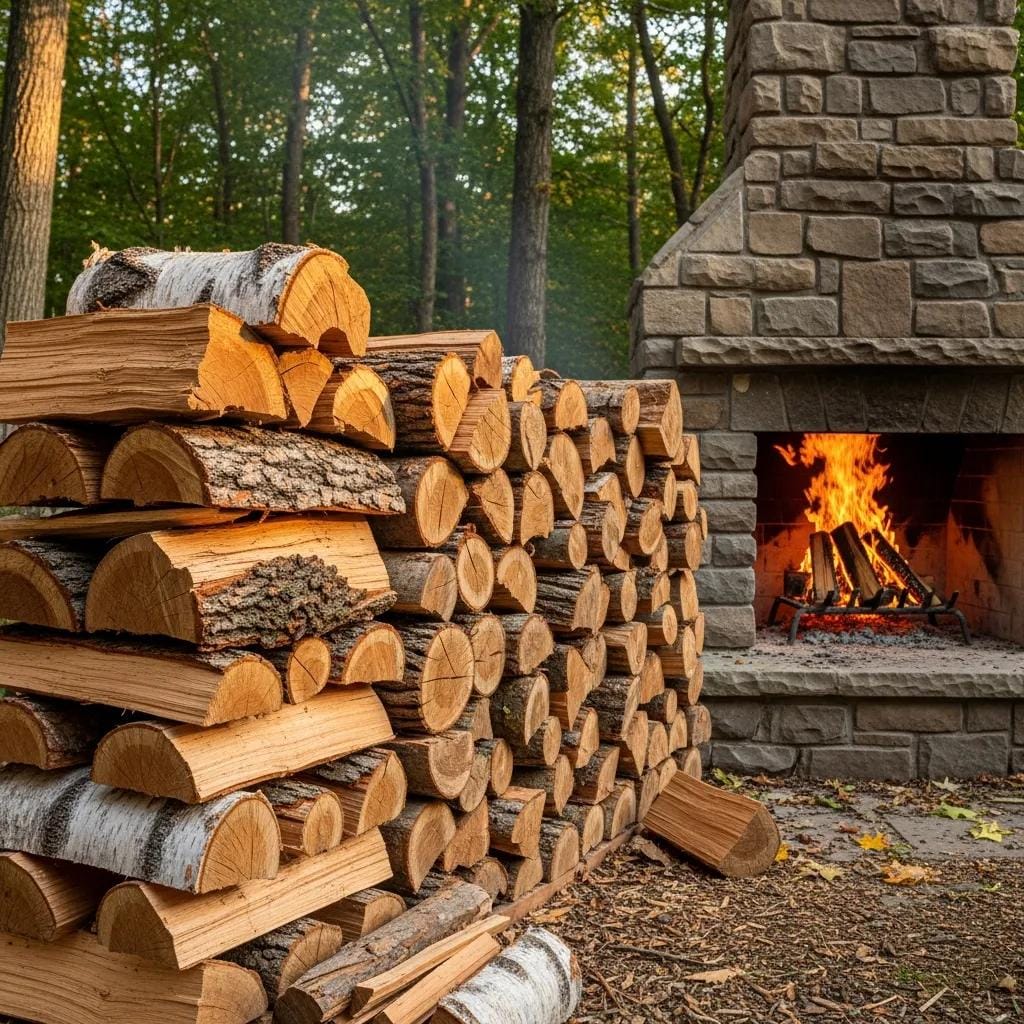
When you start fireplace fire in your home, the wood you choose matters just as much as how you stack it or light it. The right firewood helps your fire catch more easily, burn hotter, and leave less residue in your chimney. The wrong wood can smoke, smolder, and leave behind heavy creosote that raises the risk of chimney problems later in the season.
Which Firewood Types Are Best For A Safe And Efficient Fireplace Fire?
Most homeowners are better off focusing on seasoned hardwoods for day-to-day use. Hardwoods such as oak, maple, ash, and hickory are denser than softwoods, so they burn longer and give off a steady, reliable heat. Softwoods like pine or fir ignite quickly but burn fast and can leave more deposits in the flue if they are not fully seasoned.
When you start fireplace fire with seasoned hardwood, you usually notice that it lights with a bit of kindling, establishes a bed of coals, and then holds a steady flame instead of flaring up and dying down. That steady burn pattern is easier on your chimney and makes the room more comfortable. Softwoods can still have a place as kindling or for quick shoulder season fires, but they work best as a supplement, not as the main fuel for long evenings.
Benefits Of Seasoned Hardwood For Home Fireplaces
Seasoned hardwood is simply wood that has been split and dried long enough for most of the internal moisture to evaporate. For many pieces, that means roughly 6 to 12 months of drying time in a well-ventilated area. As moisture leaves the wood, it becomes lighter, the ends start to show small cracks, and two pieces knocked together make a sharper, more hollow sound instead of a dull thud.
Burning seasoned hardwood offers several practical benefits. It produces more heat per log, so you do not need to reload the firebox as often. It also burns with a more complete combustion, which reduces the amount of smoke and unburned material traveling up the flue. Less smoke usually means less creosote buildup over time, which is a major goal for anyone trying to keep a chimney cleaner between professional sweeps.
Another advantage of seasoned hardwood is cleaner glass and brick around the fireplace opening. Wet or unseasoned wood tends to sputter, pop, and coat nearby surfaces with extra soot. With properly dried hardwood, you spend less time wiping down the surround and more time actually enjoying the fire.
Why Wood Moisture Content Matters For Safety And Creosote
Moisture content is one of the most important details in firewood selection. Wood that still holds a lot of water wastes much of its energy just boiling that water off as steam. The result is a cooler, smokier fire that can send a lot of unburned material into the chimney. Over time, that material condenses and hardens into creosote, which is a sticky, highly flammable residue.
Ideally, firewood should have a moisture content of around 20 percent or lower. You can get a sense of this without special tools by looking and listening. Seasoned pieces usually have visible checking on the cut ends, loose or peeling bark, and a lighter feel for their size. If you want a more precise reading, an inexpensive moisture meter can confirm that your stack is ready to burn.
Using properly seasoned wood is one of the simplest ways to pair comfort with safety. It supports a better draft, reduces smoke in the room, and slows creosote buildup so your annual chimney inspection and cleaning are more straightforward. When you plan ahead and stockpile good hardwood, every time you start fireplace fire, you are also helping protect your chimney, your indoor air, and your peace of mind through the heating season.
What Is the Step-by-Step Process to Light a Fireplace Fire Safely?
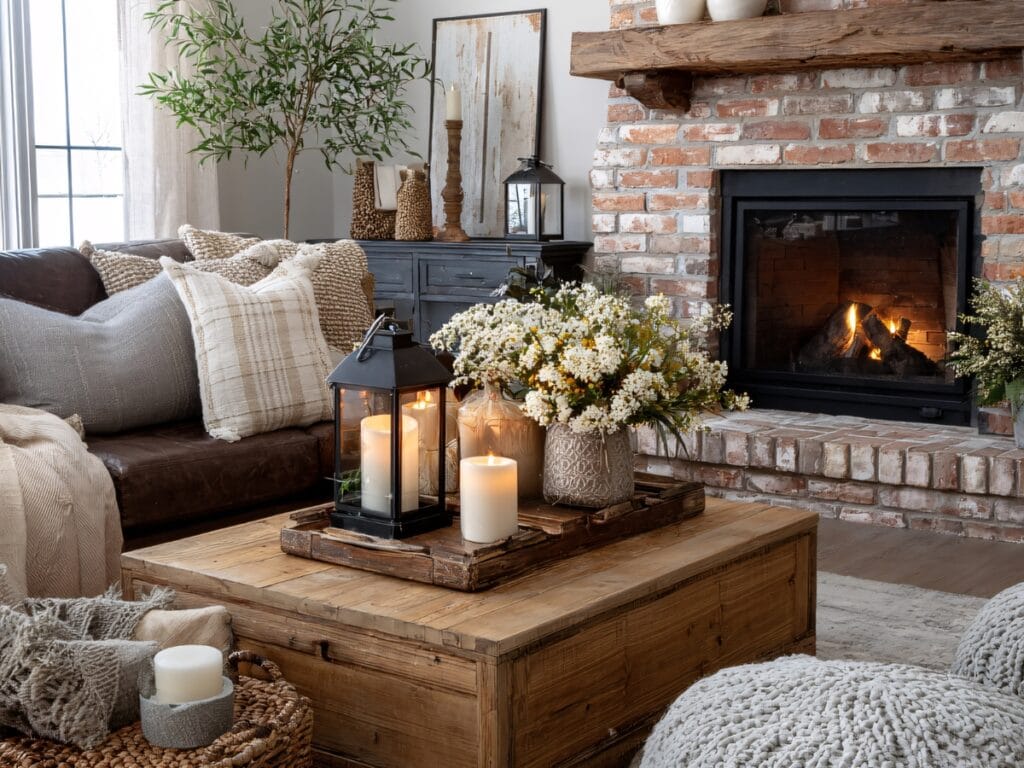
When you start fireplace fire in your home, a little preparation goes a long way toward keeping things safe, efficient, and low stress. Instead of rushing to throw a few logs into the firebox and hoping for the best, it helps to think in stages: prepare the fireplace, build a small but strong base of kindling, and then add larger logs once the flame is established. This approach gives you better heat, less smoke, and a more predictable burn.
What Is The Step-By-Step Process To Light A Fireplace Fire Safely?
Begin by making sure the firebox is ready. Remove excess ash from previous fires, leaving a thin layer on the floor of the firebox to help insulate and reflect heat. Open the damper fully so smoke has a clear path up the chimney, and if the flue is cold, briefly hold a rolled piece of lit newspaper near the opening to warm the air and help establish draft.
Once the fireplace is prepared, place a small base of crumpled newspaper or a modern fire starter in the center. Surround this with dry kindling – small, seasoned sticks or split pieces of wood – arranged so air can move freely between them. Light the fire starter in several places and let the kindling catch before adding anything larger. As the flame grows and you see a steady bed of coals forming, start placing a few small logs on top, giving them room to breathe instead of packing them tightly together. Throughout the process, stay nearby, watch how the fire is drafting, and adjust the glass doors or screen to keep sparks contained.
How To Use Kindling And Fire Starters Effectively
Kindling bridges the gap between a tiny flame and full-sized logs, so choosing and arranging it well makes it much easier to start fireplace fire reliably. Dryness matters more than the exact wood species. Pieces should be small enough to catch quickly, but not so thin that they burn out before lighting the wood above them.
A simple approach is to build a loose nest of crumpled newspaper or place a couple of commercial fire starters on the grate, then lay kindling across them in alternating directions. Aim for a structure that looks open rather than tightly packed. When you light the paper or starter, the flame should move upward through the kindling instead of being smothered. Allow a few minutes for the kindling to burn down into a glowing base; if you add larger wood too soon, you are more likely to end up with smoke and frustration instead of a strong, steady flame.
Best Log Stacking Methods For Reliable Fire Starting
Once your kindling is burning well, how you stack your logs will determine how easily the fire continues to grow. The two classic approaches are the log cabin and the teepee, and both work as long as you respect airflow.
For a log cabin layout, place two small logs parallel to each other with some space between them, then lay two more on top at a right angle, forming an open box. You can continue this pattern to build a low, stable structure, sliding smaller splits into the center where the kindling is burning. The open corners and gaps between the logs allow air to move freely, which keeps the fire fed without constant tending.
The teepee method leans shorter logs or splits together over the burning kindling so they meet near the top. As the flame rises, it naturally climbs the wood and pulls air in from below. This style gives you a quick, bright fire that is easy to read and adjust. In either case, avoid stacking logs flat across the firebox in a solid layer. Leaving visible gaps between the pieces will give you a cleaner burn, less smoke in the room, and a more enjoyable night by the fireplace.
How Can You Prevent Chimney Fires and Creosote Buildup?
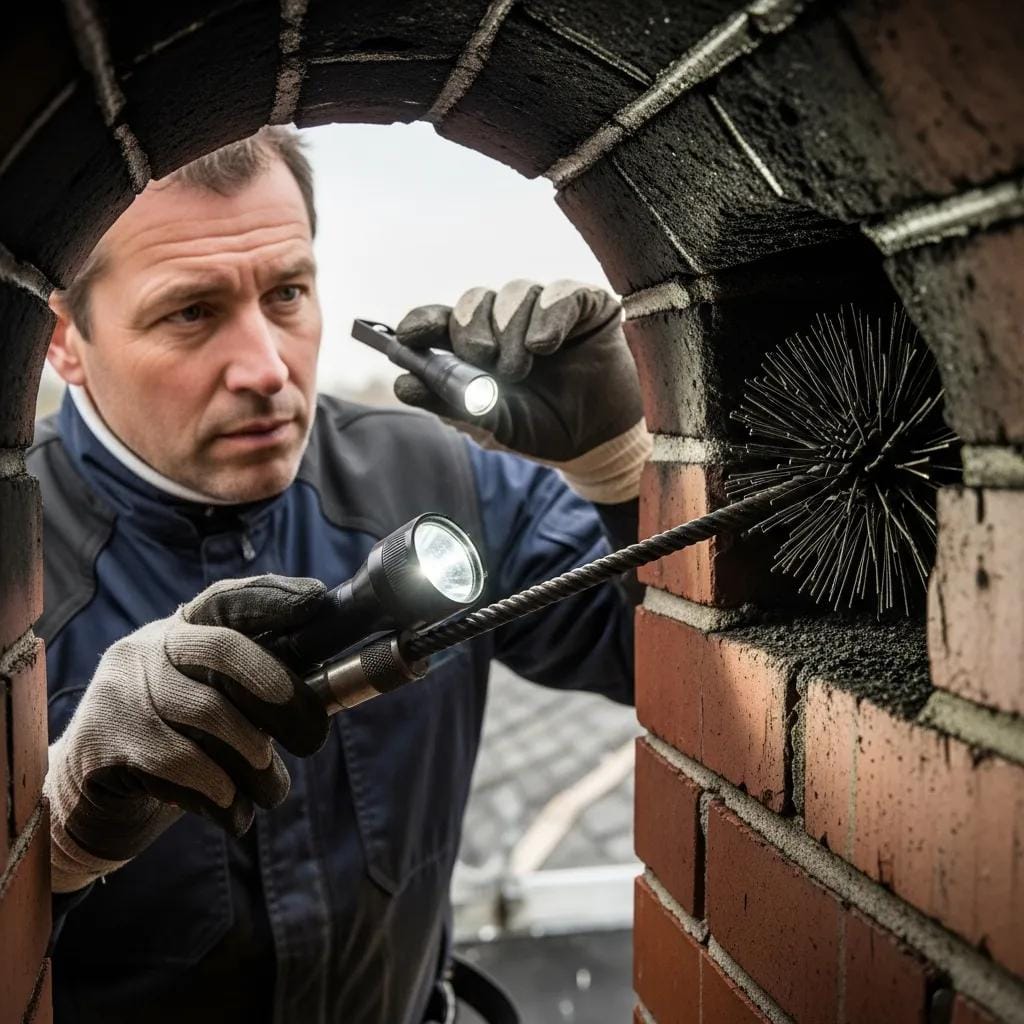
Preventing chimney fires and creosote buildup is one of the most important parts of learning how to start fireplace fire safely and enjoy it all season. Every time you burn wood, tiny particles and vapors travel up the flue. If conditions are not ideal, those byproducts cool, condense, and stick to the chimney walls as creosote. Over time, that buildup can ignite and cause an intense chimney fire. The good news is that a mix of smart burning habits and routine maintenance goes a long way toward keeping your system safe.
What Causes Creosote Formation, and How Can It Be Minimized?
Creosote forms when wood does not burn completely. Cool, smoky fires send unburned gases into a relatively cool chimney, where they condense and cling to the liner. Burning unseasoned or wet wood, closing the damper too much, or running very low, smoldering fires all increase this effect. Short, poorly drafted chimneys and oversized appliances can also contribute, because the flue never gets warm enough to carry smoke out efficiently.
To minimize creosote, start with your fuel. Use properly seasoned hardwood with a moisture content of around 20 percent or less. Logs should feel lighter, show small surface cracks on the ends, and make a sharp “clack” when tapped together. When you start fireplace fire, open the damper fully and aim for a clean, hot flame rather than a long, smoldering burn. Give the fire enough air, so the smoke is light and moves steadily up the flue instead of drifting into the room. Avoid burning trash, glossy paper, or treated wood, since these materials can add to residue and corrosion. Together, these habits keep more heat in the chimney, reduce condensation, and slow creosote buildup.
Why Is Professional Chimney Cleaning Essential For Fire Safety?
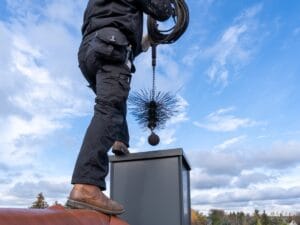
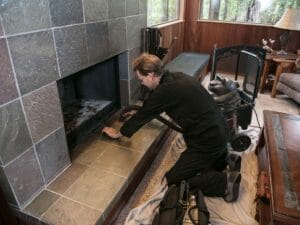
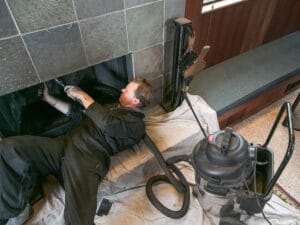
Even with perfect firewood and good technique, some creosote still forms over time. That is why professional chimney cleaning is such an important safety step. A certified sweep uses brushes, rods, and sometimes video inspection tools to remove built-up creosote and check the full length of the flue, from the firebox to the cap. They also look for cracked liners, damaged mortar joints, loose bricks, and other structural problems that the average homeowner cannot easily see.
Most households that burn wood regularly should schedule a professional cleaning and inspection at least once a year, and more often if they use the fireplace as a primary heat source. If you notice heavy soot around the fireplace opening, strong smoky odors when the system is not in use, or visible flakes of creosote falling into the firebox, those are signs you may need service sooner. Regular cleanings restore proper airflow, lower the chance of a chimney fire, and help your fireplace draft better so it is easier to light and maintain. Paired with smart everyday habits, professional maintenance keeps both your chimney and your living space safer every time you start fireplace fire on a cool night.
Essential Fireplace Safety Equipment And Habits
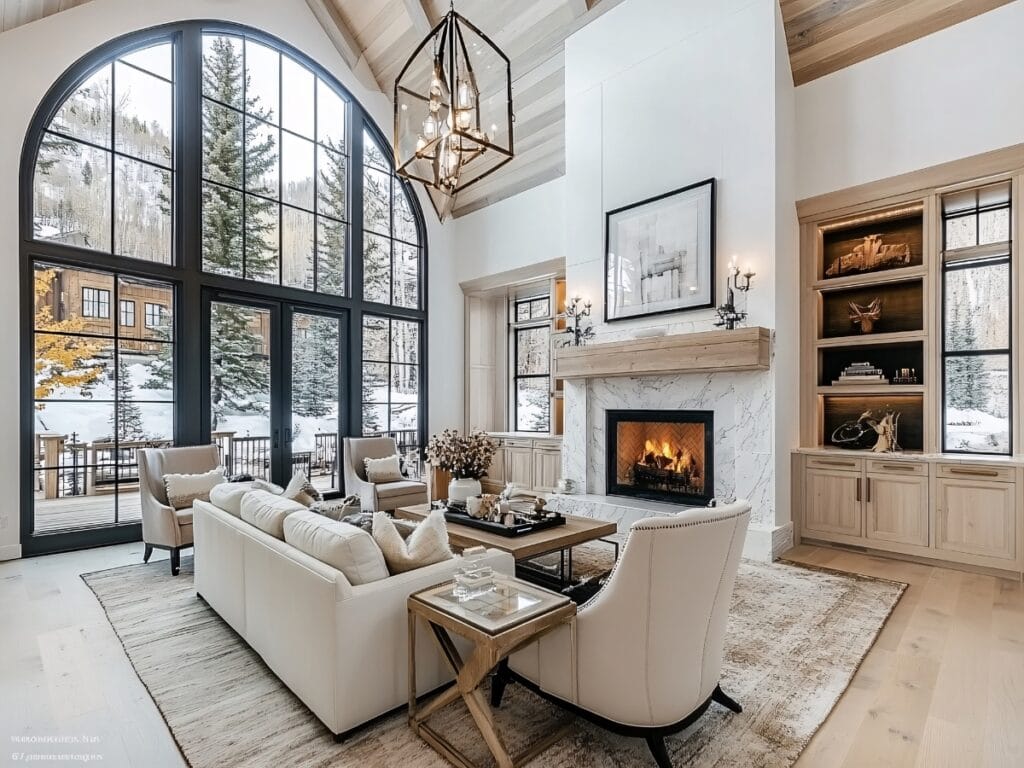
Learning how to start fireplace fire safely is not only about how you stack the logs or which lighting method you use. It also depends on the safety equipment you have in place and the everyday habits you build around your hearth. Simple choices such as using a sturdy screen, installing working carbon monoxide detectors, and handling ashes correctly can make the difference between a cozy evening and a serious hazard. When you combine these basics with good firewood and regular chimney maintenance, you create a setup that is much safer for everyone in the home.
Fireplace Screens And Carbon Monoxide Detectors
A good fireplace screen is one of the easiest upgrades you can make. It keeps sparks, rolling embers, and small pieces of burning wood from popping out of the firebox and landing on rugs, furniture, or curious pets. Fixed screens or heavy, stable freestanding models both work, as long as they cover the entire opening and do not tip easily. You should get into the habit of closing the screen before you add more wood or leave the room, especially if the fire is burning down and throwing off stray embers.
Carbon monoxide detectors are just as important. Any time you start fireplace fire, you are producing carbon monoxide as part of the burning process. If the damper is not open fully, the flue is partially blocked, or the room is too tightly sealed, that gas can build up indoors without much warning. Detectors placed on each level of the home, and near sleeping areas, give you an early alert if levels rise. Test them regularly, replace batteries on schedule, and follow the manufacturer’s placement instructions so they can do their job.
Safe Ash Disposal And Child Safety Around Fireplaces
Ashes may look harmless once a fire goes out, but they can hide hot embers for many hours. Scooping them into a plastic trash bag or an open cardboard box is a common mistake that leads to accidental fires. Instead, use a metal shovel and move ashes into a metal container with a tight lid, then store that container outdoors on a noncombustible surface such as concrete or stone. Give the contents several days to cool before you discard them. Avoid mixing ashes with regular household trash until you are sure everything is completely cold.
If you have children in the home or frequent young visitors, treat the fireplace area like any other high-risk zone. A sturdy safety gate or barrier keeps little ones from getting close enough to touch hot glass, metal doors, or tools. Explain in simple language that the fireplace, tools, and nearby stones can stay hot even when the flames are gone. Keep matches, lighters, and fire starters in a locked drawer or cabinet rather than in an open basket next to the hearth.
Choosing Firewood That Supports Safe Burning
The wood you burn also affects safety every time you start fireplace fire. Seasoned hardwood such as oak, maple, or hickory has low moisture content, burns hotter, and produces fewer sparks and less creosote than green or unseasoned logs. That means a cleaner flame, better heat output, and less residue inside the chimney. Softwood can work for kindling or shorter, quicker fires, but because it burns faster and can produce more popping, it is not the best choice for long, steady heating.
Unseasoned wood is the option to avoid. High moisture forces the fire to waste energy boiling off water, which creates heavy smoke and encourages creosote to condense on the flue walls. Over time, that buildup raises the risk of chimney fires and makes the system harder to clean. Storing wood off the ground, stacked loosely in a covered but ventilated space, helps it dry properly so it is ready for safe indoor use.
Putting these pieces together gives you a practical safety routine. With the right equipment in place, careful ash handling, clear rules for kids, and dry hardwood in the log rack, you can enjoy the warmth and atmosphere of a real fire with far less risk each burning season.
Conclusion
Mastering the art of a safe, beautiful fireplace fire starts with selecting seasoned firewood and following essential safety steps. Remember to always use a fireplace screen, keep the area clear of flammable items, and never leave a fire unattended. For complete confidence and professional care, trust the experts at Amazing Flames.
We provide chimney inspections, cleaning, and repairs to ensure your fireplace operates safely and efficiently for years to come. Ready to enjoy your fireplace with total peace of mind? Call (770) 501-2080 or visit our website for a free quote today. Let’s keep your home warm and safe.